Wednesday, 13 March 2019

How to Optimize Your Content for Voice Search

This article was contributed by Ellan Dineen.

Research shows that the voice commerce sector was worth $1.8 billion in the US and $200 million in the UK during 2017. There’s no doubt that developments in technology and the rise of voice assisted devices around the world is changing the way content is managed and how users utilize the Internet.

Voice search technology has a lot of advantages and understanding this technology can really give you an edge. This is especially true when it comes to making sure your content appears in voice searches so that your website can obtain more traffic and leads.

But, some businesses are still only using techniques designed for text searches, and this means they aren’t reaching their full potential are at a disadvantage to their competitors.

If you’re looking to optimize your content for voice search, here are our top tips for getting to the top of the SERPs.

Important Voice Search Statistics

Are you still having trouble believing in the future of the dominance that voice search will have over the search engines? Is this, as a result, preventing you from dedicating your business’s resources to the development of this strategy in your overall marketing plan?

Well, what better way to understand the effect voice search is having consumers than reviewing data? Below we have gathered a list of the most important statistics:

  • Instead of typing, 71% of people would prefer using a voice assistant for searching on the web
  • 50% of all searches will be voice searches by 2020
  • Some experts predict that 30% of web browsing sessions will be done without a screen by 2020
  • The voice recognition market will be a $601 million industry by 2019
  • Voice search queries typically fall into four categories – 27% personal assistant, 30% general information, 21% entertainment & fun and 22% local information.
  • Google says that 72% of voice-activated speaker owners use the devices as part of their daily routine
  • 5% of consumers use voice shopping, but that number could reach 50% by 2022

Now that you are aware of how voice search makes lives easier for consumers, let’s go on to find out exactly what Google voice search is.

What is Google Voice Search?

Rather than typing, Google voice search is a feature that allows users to search the web by using their voice to speak their search query.
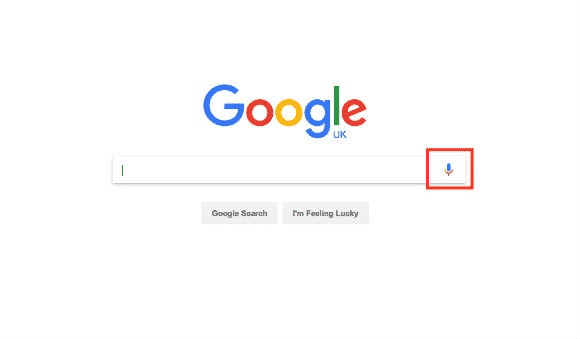
Google Voice Search Icon

It is speech recognition that Google voice search is based on. It processes and transcribes human speech into text.

It then connects to its search engine to find relevant information.

Most smartphones and other devices are able to implement this new technology. It can be done by tapping the microphone on the Google search page or by a hands-free voice command by first saying the phrase “OK, Google.”
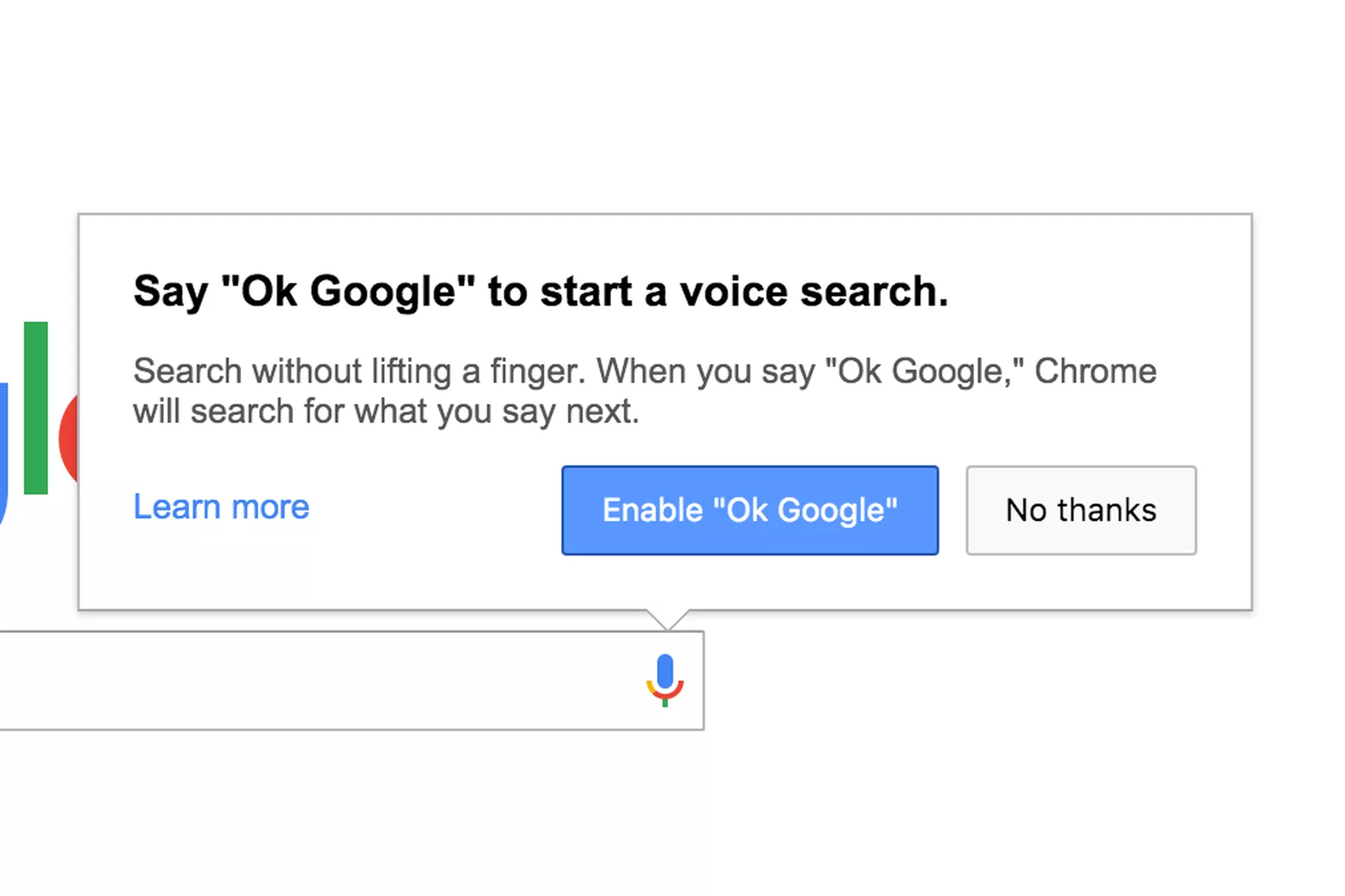
Google Voice Search

Think like a customer

Text VS Voice Searching

A lot of the time, when businesses are creating content, they will try and appeal to their customers using a “marketing voice”. In fact, it can be pretty difficult for a lot of marketers to avoid this. It’s something they do automatically.

But, if you’re trying to optimize your content for voice searches, it’s actually more important than ever to use a natural tone.

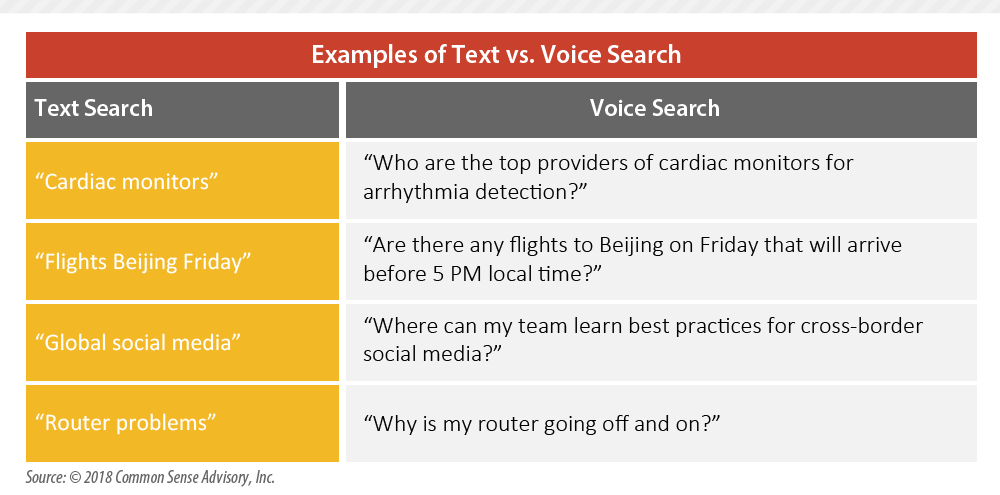
When customers use voice searches, they tend to ask questions. It’s a lot more conversational. And you need to think about how they would phrase things.

Some more examples of this would be:

  • Text search: “Pizza delivery near me”
  • Voice search: “Which pizza restaurants deliver to me?”
  • Text search: “Supermarket opening hours”
  • Voice search: “What time does the supermarket close?”
  • Text search: “Closest train station”
  • Voice search: “Where is the nearest train station?”

As you create content for voice searches, you should try and include long-tail keywords that will answer certain questions, since the majority of consumers do not use short, choppy keywords.

These can be incorporated into your web content.

Use FAQ content
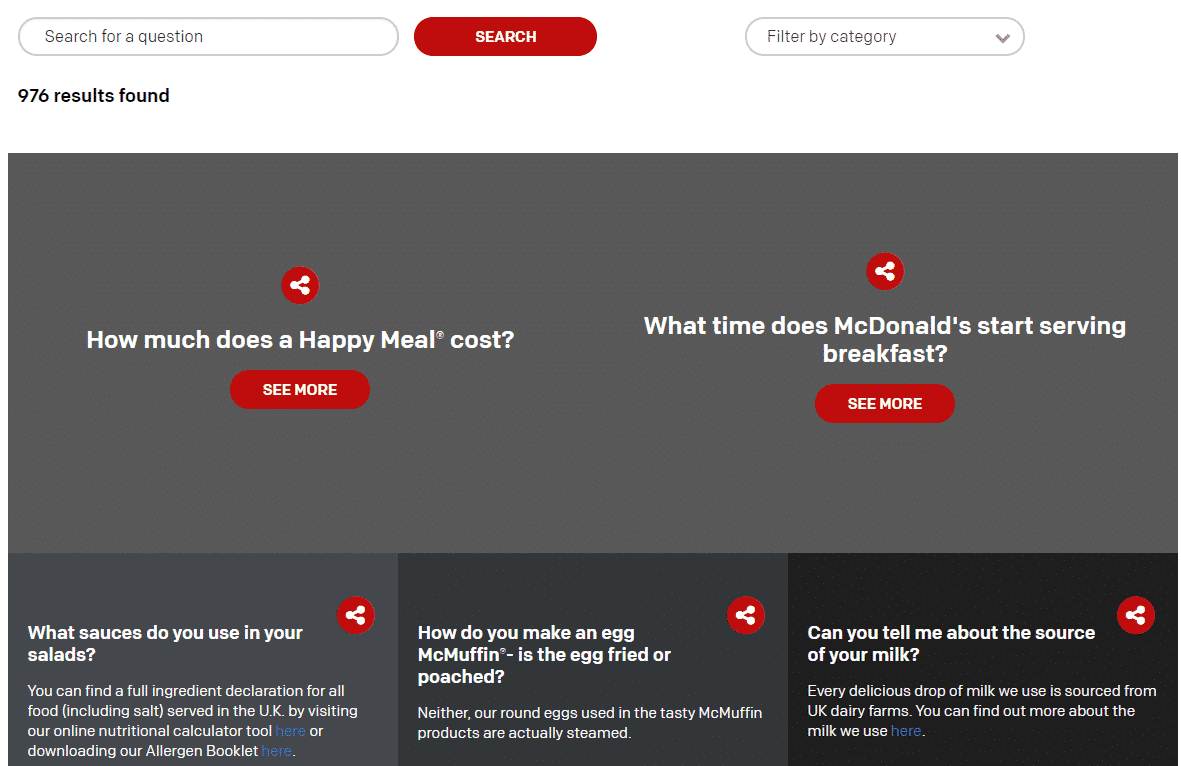
Search Voice

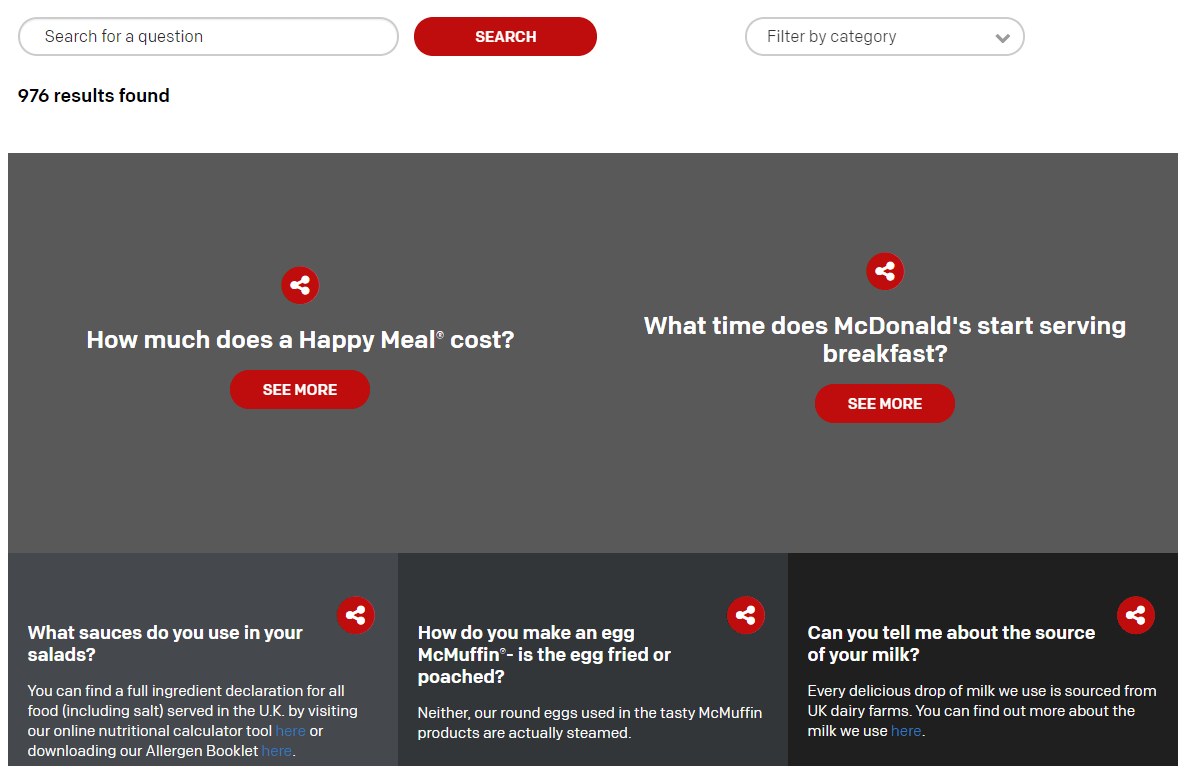
Voice searches tend to be for specific questions. Because of this, expanding or adjusting your FAQ page can be one of the most efficient ways of making yourself more visible in searches.

Begin by asking yourself, what are the most common questions your customers will be asking about your business?

If you’re not sure which questions are relevant, think about what they ask you over the phone or in person. If this means you need to speak to your customer service staff for a better insight on the most common queries.

Then, you can begin to structure your FAQ page around these questions, remembering to tailor your content around what people are likely to search for.

It’s important to note, however, that you don’t necessarily have to stick to a rigid FAQ structure when applying this: just using the basic format to optimize your page in searches.

Create relevant blog posts

Voice Search on Social

Using your FAQ page to answer relevant questions can really boost your web traffic through web searches. However, this alone is unlikely to be enough to answer all the queries your customers will have.

A lot of companies spend all their efforts on their FAQ page. And while this is beneficial, creating dedicated blog posts to answer these queries can help to increase your searchability.

Once you have created a list of relevant search terms, you can come up with blog topics that will include those terms. Not only does this increase the chances of your web page coming up in Google searches, it also adds value for the reader.

Make it mobile-friendly

google voice queries

The most commonly used voice search technology is through mobile devices. Technology like Siri and Alexa have transformed the way customers search the web.

In fact, it’s estimated that, at the moment, 20% of all mobile searches are through voice. And by 2020, it’s predicted that this figure will rise to 50%.

Therefore, it’s important to consider that, if most voice searches are being made through mobiles, there will be some differences in the types of searches. You need to consider the context.

For instance, mobile users are much more likely to make searches when they are out, rather than while they are at home. This will increase the chances of “near me” type searches. It also means that the topics they are searching need to be acceptable to say out loud in public.

In addition to this, you need to ensure that the content itself is mobile-friendly. There are various online tools available to do this – WordPress, in particular, has excellent tools to ensure your content is mobile-friendly. You could also use Google’s Mobile-Friendly Test.
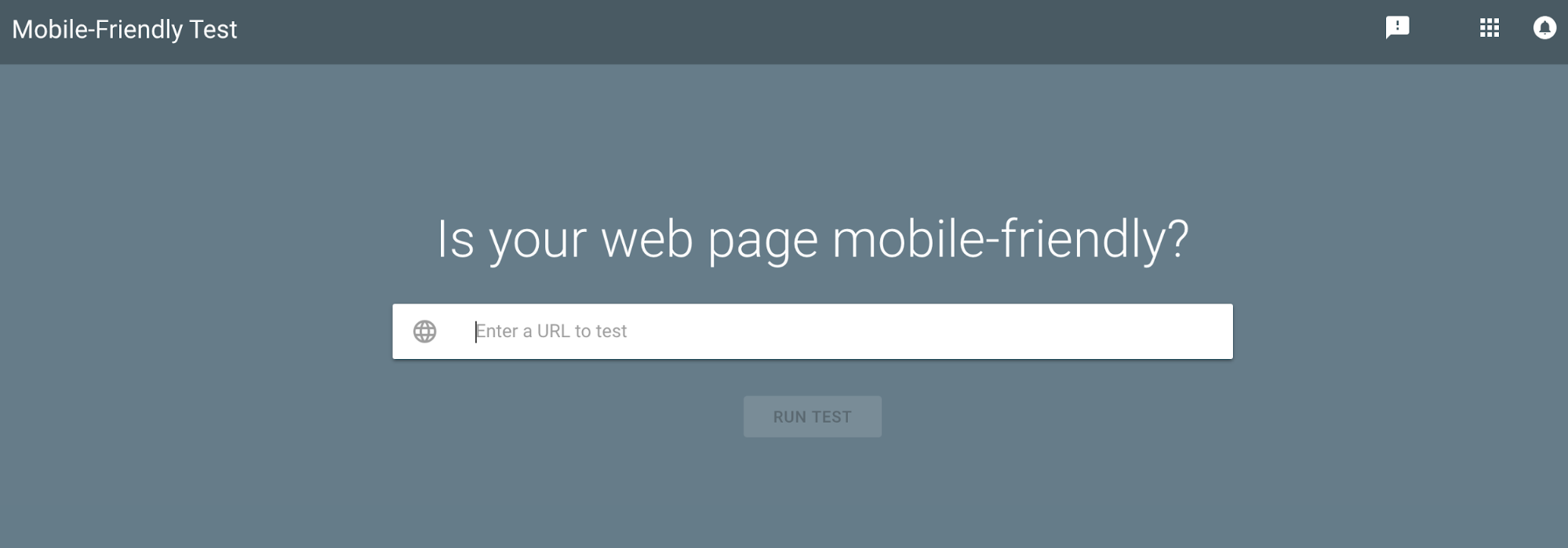
Mobile Test

If you don’t want to use a tool, there are still ways to manually check the layout of your content and make sure it’s suitable for your audience to view on mobile devices.

Some of the basic steps you can take to do this are:

  • Use shorter paragraphs and check that there’s enough white space
  • Break down your blog posts and web content using subheadings, lists, and bullet points
  • Make sure all your images are optimized for mobile
  • Keep the titles of any blog posts short and interesting
  • Ensure that the writing is of a high quality. You can choose to outsource parts of this if you feel your writing skills aren’t strong enough

Lastly, when you’re optimizing your mobile content for SEO purposes, you need to adjust your keywords to match. Remember: when users search using voice search on mobile devices, they tend to use different keywords than they would in traditional, written web searches.

Make sure your webpage is SEO optimized

Google business listing

Optimizing your web content for voice searches is different to optimizing it for text searches. However, it’s still just as important that you use SEO properly.

Using the right language and making sure that it’s structured properly is essential if you want the data to be picked up by search engines. Bear in mind, that certain information will always be needed and should be available immediately.

Most importantly, results need to show your contact information, hours of operation, directions, and other information. You can help to make this information more likely to appear in search results by doing the following:

  • Use keywords that will pull up your content in featured snippets on Google. Most of these snippets come being in the top ten search results
  • Use analytical tools to find the most relevant keywords for your customer base
  • Look at the related search terms in search engine results. Then try and answer those questions in your content
  • Ensure that your location and contact information is clear and easy to find. It should be included on every page. This is very good for increasing your results in local searches
  • Include high quality, SEO optimized images to make your site more appealing visually

Avoid Buzzwords

One of the biggest differences you’ll find between voice and text search is that voice searches tend to be more conversational. They are also slightly longer and use simpler language.

This means that you need to make sure that, firstly, your search terms match this change. You should aim to use a natural tone, and avoid jargon and buzzwords, as customers don’t use these in voice searches.

Additionally, you should focus on providing as much value to the customer possible. Focus on keeping the information as simple as possible. You should offer them something of value, which is useful to them.

This could be by providing something entertaining or informative: either way, they need to feel like they’re getting something from you that they can’t get elsewhere.

In order for your web content to be as appealing as possible, you also need to consider whether it’s visually appealing. Keeping in line with the most recent design and branding trends can help you to achieve this.

Implement Page Speed Optimization

Just like having a flawless user experience is a critical ranking factor for Google, so is page speed.

In fact, pages appearing as a voice search result are more than 50% faster than average pages. So if you want your content to rank for voice search in Google, you must ensure that the page it is published on is optimized for speed.
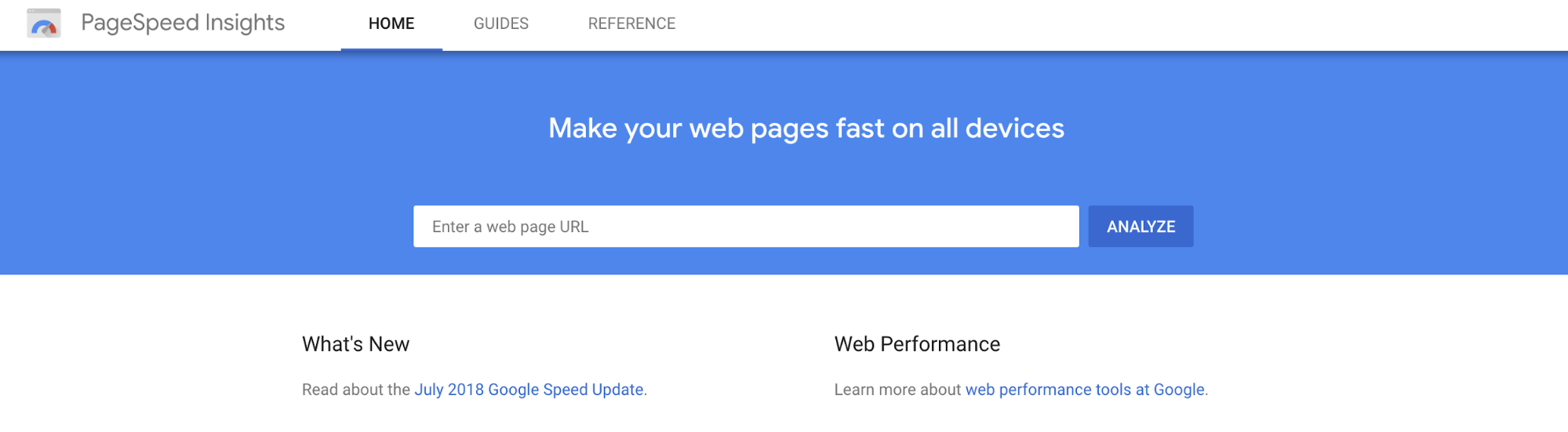
Google Page Speed

We recommend checking the speed of your pages with a free tool such as PageSpeed Insights.

Write Content that is Easy to Read

It may seem more logical to “sound” intelligent in the content you produce by writing essay type content, thinking that it will impress your website visitors.

But Google cares about the level of readability that is delivered to its users. It wants its users to be able to read and understand all of the content that they click on.

The average Google voice search result has a 9th-grade reading level, reports Backlinko.

If you want to compete with these type of search results – run your content through a tool like The Hemingway App. All you need to do is paste your content on to the app, and it will show its readability level and provide you with helpful tips on how to reduce this level. And it’s free to use – perfect.

Hemmingway

Conclusion

Make sure your company does not get left behind by refusing to implement this new technology into your marketing strategy. Dedicating the necessary resources and budget to optimizing your content for voice search will make sure your competitors do not race past you in the SERPs.

If your page is optimized well, your content is easy-to-read, your website is mobile friendly and you have created relevant blog posts, voice search is a tool that can help you to attract more web traffic and sales. Ultimately, it can help you achieve more success and increase your bottom line.

By following these tips, you can help make your content as easy to find as possible by appearing high in the voice search results in Google. If your colleagues are still unsure about implementing these processes, make sure to show them the list of statistics that were noted at the beginning of the post. Good luck!

About the author: Ellan is the marketing associate of Design Wizard.

Sunday, 10 March 2019

What makes a good brand?

Here’s my take on what makes a good brand:

A good brand has a clear focus, knows their target audience, has a defined mission, knows their competition and USP, can identify their key values, tell their story and have a brand identity reflective of these goals, and does all of this consistently.

What makes a good brand?

A good brand:

  • has a clear focus,
  • knows their target audience,
  • has a defined mission,
  • knows their competition and USP,
  • can identify their key values,
  • can tell their story,
  • has a defined brand identity,
  • and is consistent with their voice.

What makes a good brand to you? See here for what makes a good logo.

More Branding Articles

View All Branding Articles

Monday, 4 March 2019

3 Logos Selected for Logo Lounge Book 11

Logo Lounge is the one of the most respected and best-selling logo design book series in the world and I’m happy to share that 3 logos of mine were selected to be published in the upcoming Logo Lounge Volume 11, which is my 9th consecutive Logo Lounge book feature.

The 40,000 logo submissions were juried by an international panel of design superstars and only 2000 of the world’s top logos made the cut.

My 3 selected logos were designed for clients: Jazz & Juice (see my process video), Bauger Construction and Envira.

Thank you to Bill Gardner, his team and of course, the judges! This marks my 54th logo published in their amazing book series.


Volume 11 Selected Logos

These were my 3 logos selected for Logo Lounge Volume 11.

Logo Lounge Book 11 Selects

Logo Lounge Book Spread

A spread of previous Logo Lounge books.

LogoLounge Book Spread

Learn Logo Design:

Looking to learn logo design? Here is the best logo design course online:

Logo Core Masterclass (includes 65% off Adobe Creative Cloud)

The LogoCore Masterclass is the most in-depth logo course available, perfect for beginners and intermediate designers looking to learn logo design.

Master Adobe Illustrator, learn grid structures, how to vectorize a logo, presentation design, create a styleguide, build a creative brief, get valuable feedback, animate logos and so much more.

» Learn More

Get an exclusive 10% discount with coupon code ‘JUST10’. Simply enter the coupon at checkout.

LogoCore Masterclass

More Logo Resources

See here for the ultimate list of Logo Resources.

Logo Design Resources

Also see the 2019 logo design trends.

Logo Design Trends 2019

Tuesday, 19 February 2019

15 Pro Font Families (JUST $29) – Deal Ends March 4th

Fonts are a pivotal part of every designers toolkit – they can massively impact your work, helping you stand out from the crowd.

Finding good quality fonts can be extremely time-consuming and really expensive. To save you time and money, DesignCuts have put together this diverse collection of fonts from some of the world’s top selling designers and foundries.

This is their most diverse font bundle to date and there is literally a font for every project! From strong display fonts perfect for branding or social media to sans, serifs, vintage and so much more. They’ve included the best-selling fonts from foundries such as Latinotype, Tobias Saul, Fenotype to name just a few.

It even includes Hermann, which is in my best serif fonts for logo design post. To buy just ONE weight of the Hermann font family, it is $38. With this deal you can get Hermann’s 18 weights AND 14 other pro font families for JUST $29 (usually $1750). It’s a no brainer!

Plus, enjoy the benefits of multiple weights, extensive language support, contextual alternates, and all the finer details that come with world class fonts, all at 98% off for a limited time only.

» Get Font Lover’s Bundle (98% Off)

Offer ends March 4, so don’t miss out.

Font Lovers Bundle


This bundle includes:

Full extended license
Use these resources in commercial work available for sale.

Unlimited free support
If you need any help working with your new resources, the DesignCuts team are there to help.

» Get Font Lover’s Bundle (98% Off)

Offer ends March 4, so don’t miss out.

Monday, 18 February 2019

How to Be a Leader, Not a Boss: 5 Secrets

This article was contributed by Lauren Adley.

Being a boss and being a leader are two different things and they must be understood. Many people think that they are leaders just because they have been put in charge of a task or an assignment but in reality, they are just bosses.

Differences between a Boss and a Leader

One major difference between a boss and a leader is that while a boss will want his own ideas to be heard and followed at all times, a leader derives pride in seeing that his followers bring up good ideas that can bring about positive changes and growth to the team or organization that he leads.

A leader is one who develops his followers. He is not so particular about how many his followers are but how efficient they are. A boss, on the other hand uses his followers without paying attention to their growth. You can be a leader or a boss. A leader sees himself as a servant, not like the boss that sees himself as a lord. Leaders usually identify themselves with their followers and they see their position as an opportunity to serve and make others better while a boss sees himself as “Lord over all”.

Bosses could be forceful in their approach to solving problems or handling situations while a leader will make you see reasons as to why you have to perform a task in a particular way. While a boss will say “you must do this task this way”, a leader will tell his follower why he should do the task that way and most times will seek his opinion on how it can be done in a better way.

You can choose to be a boss or a leader. Many years ago, Vince Lombardi, the famous football coach said:

Leaders are made, they are not born”.

Therefore, you can start being a leader and start being productive.

5 Secrets to Help You Stop Being a Boss and Start Being a Leader

Bravo Boss

  • Start Listening

Many people just hear others speak because they want to give them a reply as soon as possible but to function excellently as a leader, one must be able to listen in order to extract information and value hidden in the words of the speaker. A leader shouldn’t interrupt when someone is speaking to him and shouldn’t even be thinking of what to say when a person is speaking to him but he must be able to open his mind and get in as much useful information as possible.

Listening is an essential leadership skill to possess. So, if you have not been listening, you have to start now. To listen is not to selectively hear what you want to hear but to appreciate the fact that information is being given out and, in that information, there is value, wisdom and many other good things.

If you have not been a good listener before, you can start learning the art with your friends. Whenever you have a conversation with friends, listen to them and after they are done you can try to summarize in your head. You get better with time.

  • Strive to Inspire Your Followers

When you delegate a task, it is your responsibility as a leader to ensure that you follow through. It is not enough to explain how to go about the task but much more, as a leader you should constantly check up on the followers you have assigned tasks to. Inspire and encourage them sincerely because you want to get the best out of them. Delegate tasks and explain them but don’t stop there, go further by assisting them and making them believe that they have what it takes to deliver a great job.

  • Show Empathy and Genuine Care

Leaders care about their followers. Empathy is an essential attribute of a leader. Empathy is the ability to identify the thoughts and feelings of a person and to understand the point of view of someone. Empathy is one of the striking differences between a boss and a leader. To be a good leader, you have to care about your followers.

As basic as it seems, empathy is very important. Empathy creates a bond between a leader and his followers. It creates an atmosphere where there is no fear.

You might need to go as far as having one-on-one talks with your followers so that they are able to open up to you.  With this, you are able to see things from their own point of view and understand their feelings. It might seem strange to you when you start but once you are able to show your followers that you are ready to reason in line with their feelings, you are many steps away from being a boss.

  • Learn to Treat Everyone Equally, Shun Favoritism

Awesome Boss

Stop the whole “this person always does it better” kind of talks. It doesn’t in any way, boost the morale of anybody. A leader should encourage and boost the morale of his followers, that’s the point of being a leader anyway.

When your followers see that you think one particular person is better than them, they feel you see them as a spare part and they don’t feel encouraged. Everyone is important and everyone can deliver. Your aim is not to make one person in the spotlight, that doesn’t portray anyone as a good leader. The aim of any leader should be to mentor his followers until they reach that level at which he can trust them to do the right things the right way. Instead of choosing favorites, encourage teamwork. Let your followers or team members learn to work together as one and thus the glory or the reward becomes a “we” affair.

Also, don’t try to do things on your own. Being a leader means you have more on your plate. You don’t have to do everything and this is why you have people under you. Learn to delegate tasks to the right set of people and then supervise them.

  • Stop Commanding Your Followers

Giving out different doses of commands is what a boss will do. A boss will give out all sorts of commands both the possible and the impossible and when it doesn’t work out, be begins to nag. To be a leader you must step away from this kind of attitude. Instead of saying “I want this work submitted on Friday” and walking out like the king of the coast, why not ask “How fast can you submit this work?” Or better still, you could say “can I have the work submitted on Friday, so I can meet up with the target for the week?”

Don’t just dose your commands because they really do not help, they only make people work under pressure and this is not very healthy. You might have to give reasons why something has to be done.

Why Do People End Up as Bosses?

Boss Lady

Bosses are normal people and just the same way that leaders are not born but made, bosses also are not born, but they are made that way because of some situations and circumstances they find themselves in. When you see a person you once believed in suddenly start acting like a boss just because he got a promotion or a change in level, you start asking the question “how did he/she end up this way?” These are some of the reasons:

They Have So Much Committed to Them

Yes, they could have so many responsibilities committed to them and sometimes they don’t know how to go about some of these tasks so they begin to forcefully make others do what they are unable to do. When a person gets a change in level or promotion, there are some things that he is introduced into that he has no idea of. This is not because he is not intelligent but because he is new to a whole lot of things. As pressure begins to mount, he ends up getting frustrated and the once good man becomes a boss.

They Have No Leadership Training

You can’t give what you don’t have and you definitely cannot exhibit leadership training that you have not acquired. Like I said earlier, leadership is a skill that has to be learnt. Leadership involves a lot of things like communication, human resource management, time management, good decision-making skills and a lot of others. It is not something that you just decide to step into all of a sudden. Bosses are made when people with no leadership experience start to build their own companies or have their own organization. Because they have no knowledge of what leadership is all about, they fail terribly and then…. Here is your boss!

They Don’t Get the Support They Need

Even a novice, when supported can do things the right way. Many leaders do not get the support they need and so they end up being bossy. Leadership is not an easy task and it is definitely not a “sit at the table and sip a coffee” job. As much as leaders would encourage others, they also need people to support their dreams and their ability to lead. When they don’t get that support, they start to act bossy like “you must do it even if you don’t like it, because I’m your boss”.

They Work with the Wrong Set of People

When someone with a good vision meets with people that are not enthusiastic and are ready to rebel at any time, tell me how he won’t start acting bossy? Many good leaders start to command when they sense rebellion among their team members. They don’t want anything to go wrong since they have invested a lot to reach that point. When rebellion sets in, it can make a good person start acting all bossy, angry and even become a nag master. So, I’ll give you this advice: nip rebellion in the bud as soon as you sense it or else, you might become what you wouldn’t like.

They Have No Mentor

All great leaders have mentors. Leadership is a great task and shouldn’t be done alone. When you have people that you can answer to and can correct you, you are on a path to success but when leadership is attempted alone, it doesn’t always work out well. People become bosses because they don’t have anyone to tell them they are going in the wrong direction and this is what mentoring offers.

Knowing that you have someone that believes in you and watches over you reduces a lot of stress. Most bosses wouldn’t be bosses if only they had mentors that could help them. However, don’t just have a mentor, have a good mentor. Someone that is really reliable and has achieved the kind of results you also want to achieve in life.

Conclusion

If you want to be a leader, you must make sure you are doing just that, because no one wants to work with a boss. If you follow the five secrets listed above, you can be sure you are hundreds of steps away from being a boss. Be the leader you’ve always admired, step out of the bossy zone and let people start experiencing the good in you.

Illustrations by StudioStok on Shutterstock. Lauren Adley is an author who works for writing services australia.