Sunday, 16 December 2018

How to Get Traffic & Leads with Content Creation

This article was contributed by Rukham Khan.

You’ve finally turned that business idea that you’d been dreaming about forever, into an actual product or service.

You can’t wait to get the business started.

Or maybe you’re just really passionate about a certain topic and want to share your love through a blog.

You’ve built an amazing website and just about everything is right…except there’s no traffic.

You’re scratching your head at this point, seemingly having done everything by the book but you’re still not getting any traffic or leads. There’s no need to worry though.

The answer lies in Content Curation.

According to Hubspot, 63% of companies claim that lead generation is their biggest challenge, coupled with 53% of marketers saying blog content creation is a top priority for them. So if all these companies are looking to create leads through content, there must be someone who has figured it out? Right?

Luckily there exists a strategy that substitutes the heavy resource-dependence of content creation, and also increases the number and/or quality of sales-ready leads.
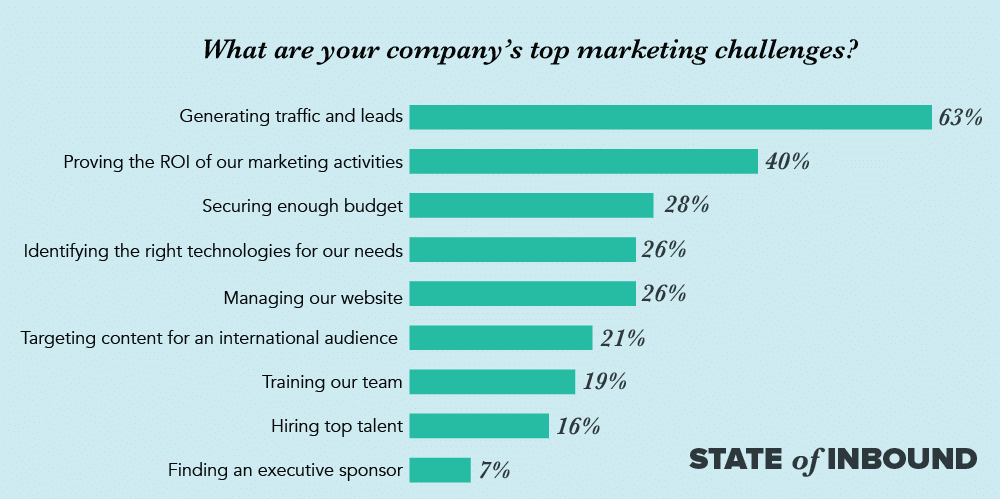
Marketing Challenges

Courtesy Hubspot

Along with creating content for your blog, you’ve got to curate content to keep customers engaged.

What is Content Curation

So now that we’ve figured out that a mix both creating and curating content works best. What actually is content curation? Hootsuite provides an apt explanation:

“the process of content curation is the act of sorting through large amounts of content on the web and presenting the best posts in a meaningful and organized way. The process can include sifting, sorting, arranging, and placing found content into specific themes, and then publishing that information.”
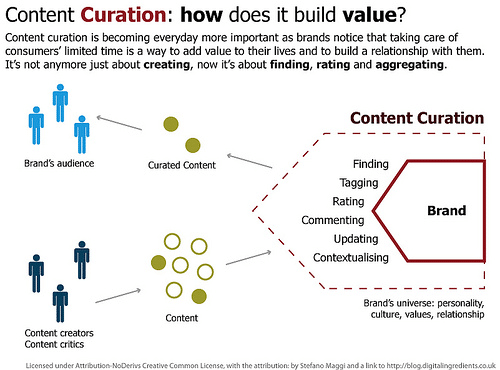
Content Curation

Courtesy Raphaëlle RIDARCH

So basically, content curation is the process of digging the web for content relevant to your brand, selecting and posting the best content for your viewers and adding value through informing them why the content is worth their time.

Good and consistently curated content can help establish your blog as an authority on a topic. When you have credibility and authority, people will come to you to seek information. More people means more traffic and more traffic means an increase in sales leads (or ad revenue potential).

Why Content Curation is the Perfect Strategy
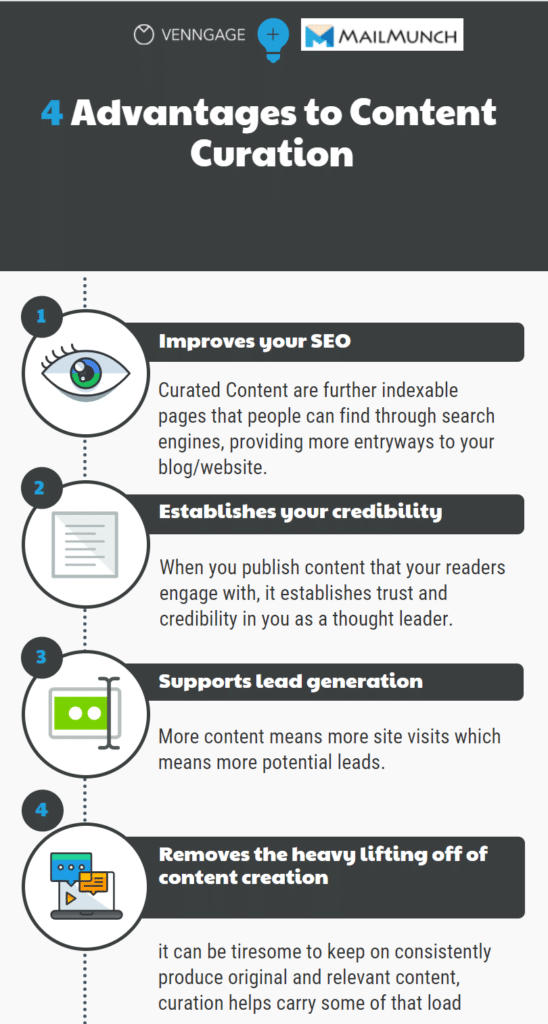
Content Curation Advantages

Some of the advantages of content curation are:

  • Improves your SEO: Curated Content is further indexable pages that people can find through search engines, providing more entryways to your blog/website.
  • Establishes your credibility: When you publish content that your readers engage with, it establishes trust and credibility in you as a thought leader.
  • Supports lead generation: more content means more site visits which means more potential leads.
  • Complements social media and blogs: curated content is also a great tool to keep your social media followers engaged by scheduling industry-relevant content. This facilitates social media conversations and helps you attract more followers.
  • Removes the heavy load from content creation: it can be tiresome to keep consistently producing original and relevant content, curation helps carry some of that load.

These benefits are succinctly summed up by the team at Curata

“content curation helps you deliver improved content marketing ROI, lower per-lead costs, greater efficiency, increased credibility, and all the other benefits of a robust content or ‘inbound’ marketing strategy.”

You can also save a whole lot of money by curating content and not having to hire writers to write for you.

How to Curate Content
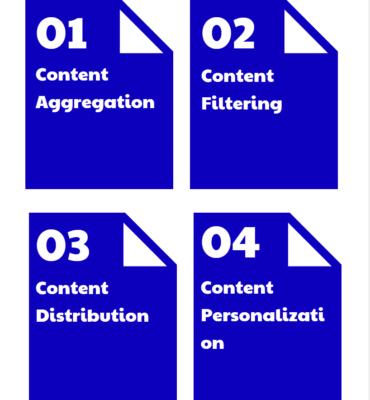
Content Filtering

We’ve gone through the whats and the whys of content curation. Now, how do you actually curate content? And how do you make the content personal and relatable?

There are 4 main steps to content curation:

  1. Content Aggregation
  2. Content Filtering
  3. Content Distribution
  4. Content Personalization

Step 1: Aggregate Content

There are a few ways you can start collecting on the topic of your choice, you can

  • Follow influencers on social media who’re experts on the subject of your choosing
  • Use blog aggregation tools like Feedly to collect blogs. They let you view posts from various websites all under a single banner
  • Search for video content on channels like Youtube, DailyMotion, Medium and use Soundcloud to discover relevant podcasts
  • Search Goodreads for Books to research for long-form content (but don’t post or write on Books if you haven’t read them yourselves!)

These sources should get you started. Once you get the feel of collecting from these sources, you’ll have more content than you’ll know what to do with!

It’s best if you save and organize all your content candidates on an app like Evernote, Google Docs, Notability or SmartSheet.

If you’re working as a team, you can even use Asana to collect and schedule your content.

These softwares and services keep your notes, links and clippings archived and organized.

Step 2: Filter Content

You’ve scoured the web and gathered content candidates from all over. Now we sift through these candidates to choose the best content, the stuff we’re going to share.

A right-hand rule to gauging whether the content is worth publishing is to put yourself in the shoes of your audience and see if they would enjoy it.

Each piece you publish must demonstrate your interest in the topic or industry you’re posting about, it should establish thought leadership, and/or provide a solution to a specific problem in your chosen domain.

Step 3: Distribute content

After you have decided on what you’re going to share, you will be sharing your expertly curated content across platforms such as Twitter, Facebook, Linkedin, Emails, and Blogs.

The exact channel selection will depend on your marketing strategy and effectiveness of reach of each channel, a question you must ask is: is this the right platform to be engaging my audience?

You can gauge that if you know you target audience.

For example, if you’re posting content on the latest celebrity news, you can get better engagement on instagram and twitter. Similarly if you share the same content on LinkedIn, you might not get a good response as linked in mostly used for networking and business industry news.

but Email is usually a safe bet, its a universal platform used by almost any one who has a computer or a phone.

80% of retail professionals indicate that email marketing is their greatest driver of customer retention. Besides email subscribers are 3x more likely to share content on social media than leads who came through another channel, according to QuickSprout.

There are some great tools to help you design emails, some good options to get you going are MailMunch, Mailchimp or Campaign Monitor. These software integrations offer fully customizable themes and A/B testing, just to name a few features.

Step 4: Add a Personal Touch
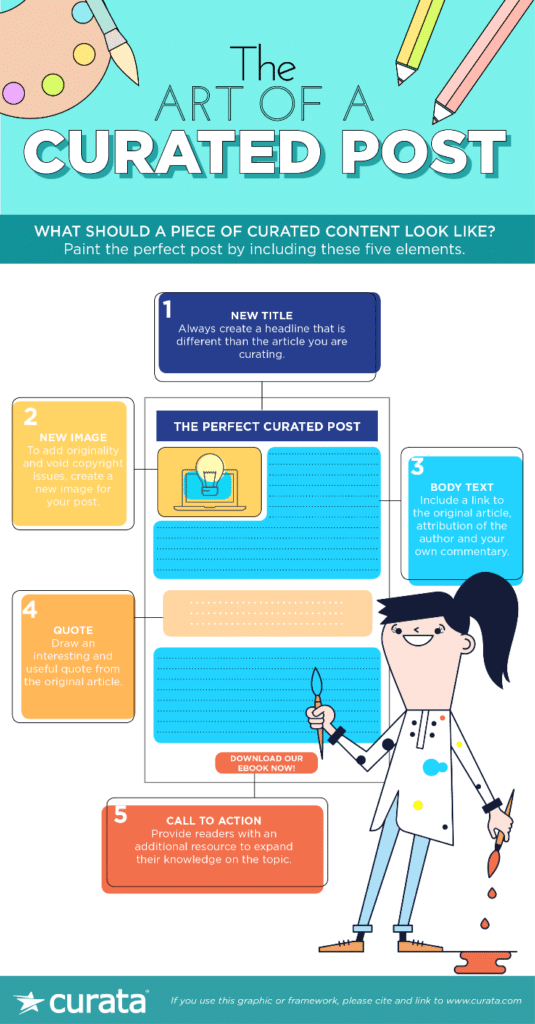
Curated Post

The ‘art’ in art of content curation comes from 2 aspects.

First, it comes from practicing content curation and over time developing a keen eye and a knack for great content your audience is bound to enjoy.

Second, the art is in personalizing the content you’re sharing.

Add splashes that colorize the content and brings out your true flavor. These can be commentaries about the post, images, or they can be complete articles responses on your content of choice.

A great practitioner of content curation is Maria Popova who runs the Brain Pickings blog. She writes long-form content with detailed reviews on books and notable historic personalities.

She has 881,000 followers on Twitter, 171,000 on Instagram and a whopping 5 million fans on her Facebook page and god knows how many email list subscribers!

Her success comes from having chosen a brilliant niche to write in. She writes about the meaning of life (which let’s face it everyone is looking for) and she chooses great books and personalities to review. But what makes her content really great is her personal touch of detailed commentary that people really enjoy reading. Here’s how she herself describes how she came to be where she stands today:

“My philosophy, and the one thing I’ve been strategic and deliberate about from the beginning is reader first …”

Take a leaf out of Maria’s book and you can expect great engagement with your curated content.

Know Your Audience

Content Marketing Mistakes

By now you’re hopefully convinced to start curating yourself to drive those traffic numbers up.

But scavenging the internet for influencers, tools, and content will be useless if we don’t actually know who we’re addressing in our curated posts.

Do you really know your audience? A simple question, sure, but one that is more complex than it might seem. Most brands want to create content that reaches millions, but that may not be the right approach. Content strategy should be value over volume.

This doesn’t mean that you shouldn’t be striving for volume either, in fact, Companies that published 16+ blog posts per month got about 4.5X more leads than companies that published 0-4 monthly posts.

What value over volumes means is quality always comes first.

If you are putting out content that offers thin air, you can pump out in excess of 20 posts a month but they won’t mean a thing to your readers and customers.

Patrick Armitage, Director of Marketing at BlogMutt, has great advice for marketers and bloggers looking to curate content:

“Great curators build trust with their audiences and become an indispensable resource as they help to sift through online information to distribute what’s worth reading.”

And the only way to build trust with your audience is to first know who these people are. Really dig in, find out and engage your customers, monitor social media conversations, use segmentation tools, Google Analytics, SEO research…whatever it takes to assemble a complete picture of the people you’re serving.

Another strategy to figure out your consumers is to create ‘audience personas’. These personas are fictional, general qualitative representations of your ideal audience. These personas help to attract the people we want to curate for, and view them as actual humans (and not numbers) while we do it.

Some questions that you can ask to get a better image of your audience includes:

  • What jobs/titles they have
  • What skills do they possess/want to have
  • What are the challenges you can solve for them
  • What type of information do they seek online
  • What sort of content do they enjoy online

These are just some basic questions you can get started with. You can create more specific questions according to the purpose of your blog or website to create more meaningful audience personas.

You Have Great Content… Now What?

There you go, you are now absolutely ready to go out and start collecting and curating content on your own.

Fast forward a bit…

Let’s safely assume you’ve followed all the steps, you’ve found the best sources for content, you’ve figured out your distribution strategy.

You’ve even developed that touch of a professional curator, who knows what and who they’re serving. You keep on rolling out content regularly and surely.

Now what?

It’s great that you’re putting out content, but the story doesn’t end there. The big payoff comes from creating an engaged following and improving your SEO rankings.

As mentioned earlier, whatever topic you curate content for, it is in your benefit to be seen as an authority if you want to make sales or earn ad revenue, and high SEO ranking are one measure of subject authority.

When you have published great content, you need a dedicated following who you can regularly address with your messages.

These customers will receive your finely tuned content, increase visits to your website, and share with others, events that will increase your search rankings. You don’t have to collect website visitors manually though, email capture technologies like MailMunch can assist you in building your email lists.

You can convert visitors into leads through landing pages and pop-ups which are non-intrusive and captivating, and there is little to no coding involved in getting it set-up.

Start using these tips today to curate content. We would love to hear from you how your content curation journey unfolds!


About the author: Rukham Khan writes on e-commerce and email marketing topics to help people understand the industry landscape. He believes trust should be the basis for all marketing communications. In his personal time, he writes on Medium on topics ranging from music to psychedelics. Lead magnet image by VecktorKnight on Shutterstock.

How to Start Your Own Graphic Design Business: Step-by-Step

This article was contributed by Shawn from FeedFond.

Are you a burgeoning graphic designer eager to get your graphic design business off the ground? Follow our step-by-step guide and you’ll be up and running in no time!

Step 1: Consider your Level of Motivation

Designing Logo

Motivation and commitment are very important when it comes to creating your own successful business. So ask yourself: are you motivated enough? Are you fully committed?

If the answer is yes, you’ve already got one of the hardest parts done and dusted. Many people struggle with making their business a success because they lack the commitment and do not put all of their energy and determination behind it.

But if you’re thinking of starting your own graphic design business simply because you’ve landed some new clients lately, think again.

That should not be the only reason to devote your time and money towards a startup business. Because starting up a business is hard. You will struggle. And without proper motivation you may be tempted to throw in the towel when the going gets tough.

There will be times when things will be difficult. Clients will move to your competitors. There may be times when you struggle to find work. You won’t be making big bucks straight away.

But it will be your motivation and urge to succeed that will keep you going. And if you’re not motivated enough, it won’t take you more than a few months for doubts to creep in.

However, if you’re highly self-motivated, this is all you need to move forward. If you have a passion for graphic design, this will take you a long way with your business.

Step 2: Understand your Skills

Logo Design

Graphic design is a very broad industry. There are lots of avenues to explore. So if you want to start your own graphic design business, you need to understand your own skill level.

You’ll also need to figure out exactly what your prospective clients expect from a graphic designer. There’s a chance you’re not yet aware of all of the services that are in demand.

According to some of the leading graphic design companies, clients usually have the following requirements:

  1. Brand strategy
  2. Logo designing
  3. Web designing
  4. Social media designing
  5. Animation
  6. Typography
  7. Brochure designing
  8. Infographics
  9. Poster designing

According to a recent study, the current market for graphic design is worth $15 billion in the United States alone. Logo designing and branding takes up about $3 billion of that market on its own.

So besides your passion, you also need to consider the current market size and trends. Assess your skills and determine how you can enhance your profitability by utilizing and expanding on those skills.

Step 3: Develop your Skills in Different Areas  

Design on Computer

Are you an expert at logo and web design but have very little idea about infographics? Well in that case you need to consider spending some time studying the market.

These days, the demand for infographics is increasing dramatically. Graphic design companies are getting many more orders for infographics than they ever did before.

So you need to expand your horizon by enhancing your skills for these different services.

The aim of the game is to become a “one stop solution” for all the things your clients might ask for, but also have a specialization in a certain area, such as branding.

Step 4: Develop your Mission and Vision

Plan Design

By now you know what type of service you’re going to offer your clients. You have a good understanding of the graphic design industry.

But you cannot start just anywhere. Graphic design is a highly competitive industry. You’ll first need to work on your company mission, long term goals and your vision.

Once you’ve determined your primary mission, it’ll be much easier for you to develop your business strategy.

Start thinking about what would you like to achieve and how are you going to make it happen. Are you hoping to secure at least 10 clients within the first two quarters? Then you’ll need to assess how many people you need to reach out to.

Your marketing strategy is going to be dictated by your objectives. You’ll need to develop not only Plan A, but Plan B, C and even D in case your first attempt doesn’t yield the expected results.

Having short and long term goals is vital to assess your progress. You should check your progress regularly and measure how far you are from where you want to be.

Step 5: Identify Potential Clients

User

Determining your target market is one of the most important steps in starting your graphic design business. There are hundreds of different categories or segments you’ll need to consider.

Are you planning to offer your service to large and medium corporate companies or small local businesses?

Or will your clientele be young women who are trying to establish their business in fashion design?

Determine your target market first. Then determine whether your current skills are going to be enough to meet their needs.

Now you can develop your marketing plan and business model that will suit your target market best.

Step 6: Run a Competitive Analysis

Magnifying Glass

One thing is for sure, when you start your own graphic design business, it’s not going to be a walk in the park. Graphic design is a cut-throat industry with plenty of healthy competition.

So, before you start your own graphic design company, you should study the market carefully. Take a look at how other companies in the industry are running their business.

Pay close attention to what makes the most successful firms stand out from the rest. This will help you to understand what you’re going to be up against.

There are two benefits of studying your competition. One, so you can figure out how you can offer better services than your competitors. And two, so you can learn from their mistakes and success stories.

There is nothing wrong with adopting good practices that are successful for others in the industry. However, in order to ensure your sustainability, you should be innovative and think outside the box.

Take a look at what others are doing and try to offer something unique. This way, you’ll be one step ahead of the competition.

Step 7: Work on Pricing

Pricing

As you’re well on your way to starting your very own graphic design company, make sure to do some industry analysis to find out what the going rate is.

Gather detailed information about how different services are being priced by other companies in the industry. Then, adopt the best pricing structure for your services. You might need to come in slightly lower at first in order to build up your clientele and get your name out there.

As a startup, you’ll need a solid plan to attract clients. Try and offer them the best deal but make sure that you don’t go in too cheap. You have to prove to your clients that you’re giving them the best deal and something that will add value.

Always remember, many clients will be willing to pay top dollars for a premium service. So divide your service quality into categories and provide clients what they’re willing to pay for.

Step 8: Keep an Eye on the Legal Aspects

Legal Contract

While you’re starting your graphic design venture, make sure that you have a talk with a lawyer. Learn about all the legal requirements associated with setting up a startup business such as business registration, insurance and so forth.

Talk about licensing, legal policies in your line of business as well as tax requirements. There will be copyright and trademark issues as well that you will need to discuss with your lawyer.

Depending on the size of your business, you should work on your privacy and refund policies, how to handle disputes and other legal issues. Your lawyer will be able to give you a clear understanding of all the legal factors involved.

Step 9: Look Out for the Right Professionals to Expand your Business

Professionals

If you want to grow your business, you won’t be able to do everything all by yourself. At some point, you’ll need a helping hand.

Instead of dealing with two or three clients at a time, you may be handling 5 or even 10 clients at a time so keep an open mind about hiring some experts.

You’ll need to form your own team of experts to provide the best service to your target market. If you’re expanding your level of service, you’ll also need more manpower.

For example, you might be doing great with logo and web design but you’ve discovered there is a huge market for animations.

Besides expanding your own skills in that avenue, consider hiring someone who has the expert skill to work on projects that involve animation.

You may have to invest to nurture your team but in the long run, this will add to your net profit. So have a clear understanding of the experts you’ll need to expand your business.

Step 10: Get a Proper Workspace

Designer Workplace

The type of workspace you have for your business depends on your finances and client base. Lots of successful graphic designers started in the owner’s own home.

You can follow that path if you’re not willing to spend too much for an office space at first. However, make sure that your workstation is ideal for doing all of the projects required.

You should be safe from all interruptions and distraction. Then as your business grows, you may want to consider moving to a larger office space to accommodate your employees.

Having the right workspace is vital to ensure professionalism and to enhance productivity. Having a great space will also make a good impression on your clients.

Step 11: Get the Right Gear

designer gear

You’ll need a high configuration computer system, professional apps and top of the range software to offer the best service to your clients.

While some of the basic graphic design software is free of charge, most of the professional applications will have a one-off price or subscription cost.

Based on the type of services you’re going to offer, do some detailed research on the tools you’ll need to do the job.

Invest generously to develop your system so that you can offer a professional service to your clients. We can assure you that this will secure a good return on your investment in the long run.

Step 12: Have an Official Website

create a website

One of the most important steps in starting your own graphic design company is launching an official website.

This will serve two purposes for your business. First of all, it’ll be your point of contact so that your clients can find you online. Your clients will get in touch with you via your website to enquire about quotes and to place their orders.

And secondly, your website will be an online portfolio of all of the work you have done to date. Use this platform to showcase your best works and most important clients as this will build trust and your reputation in the industry.

This will allow your potential customers to have a clear understanding of your skills. So take some time to develop a well-designed website for your business.

Hire a reputed SEO company to promote your website online. Make sure that when people are looking out for a professional graphic designer on Google, your website appears among the top 10 search results.

Step 13: Design your Marketing Plan

marketing plan

Marketing is the heart of any business. No matter how good you are at what you do, your skills will useless if you’re unable to reach the people who can make use of those skills.

So make sure that you have a solid marketing plan and execute it carefully. You can go for both traditional and non-conventional marketing techniques here.

You can invest in billboards and brochures to get your name out there. Social media marketing should also be utilized to grow awareness amongst your target market.

Your marketing plan will depend on the type of customers you’re willing to serve.

Conclusion

Always remember, planning and execution is the key to success for any business venture. At the same time, you’ll need to put 100% commitment into your work.

Having a clear understanding of the market and potential competitors is vital to succeed in the industry. You’ll also need to focus on specific target markets.

Have a strong online presence and promote your official website through digital marketing. Be willing to hire experts to expand your business.

Be confident, consistent and patient throughout the endeavor. With time, you’ll gradually see your business start to grow and make an impact in the industry.

At the end of the day it is your mindset and perspective that will make all the difference. Stay positive throughout your journey and you will surely see success knocking your door.

Tuesday, 11 December 2018

The 7 Key Traits of Outstanding Brands

What do you think of when the name Amazon comes to mind?

Probably such things as “can find anything,” “reliable,” “keeps in touch.” And these thoughts are not by accident. They come to you because Amazon has spent a great deal of time fostering that image.

It is one of the strongest brands in existence today, and everything it does and says relates to that brand image. Now we have “Amazon prime;” we have emails requesting feedback on our experiences with them; we get suggestions based upon our purchasing or browsing history. We feel pretty good about Amazon. We certainly trust this enterprise with our personal and financial information. And when we are looking for products, we often go to Amazon before any other source.

It’s important to point out, too, that well over half of the consuming public like buying from brands that are familiar and/or that have been recommended by others they trust.

What is a Brand?

In a very simple statement: Your brand is what consumers think of when your name comes to mind. What do you think that will be? What do you want that to be?

Every business, of any size, would love to have the strong brand recognition and trust that Amazon has. And it is possible. As you consider how you are developing and maintaining your brand image, take a look at these seven characteristics that all strong brands have. And as you consider these characteristics, think about how you are fostering them in everything you do. The stakes are high.

1. Strong Brands Focus on Their Target Audience

It’s not that a target audience may not expand. But you have to start somewhere. Amazon started selling to book lovers and look where it is today.

Right now, you must focus on the target audience you have right now. And everything you publish online must take into account that demographic. Consider the difference in messaging from Rolex and Lego. The differences are stark, both in vocabulary, in images, and on social media.

It’s important to dig deep into your audience – what do they want to hear and how do they want to hear it?

This is what founders Michael Dubin and Mark Levine obviously did when they launched Dollar Shave Club with the offer of a subscription-based razor blade service. They targeted a millennial and Gen X male audience and crafted their messages based on that demographic. It began with an explainer video, with language and “theatrics” that would obviously appeal to this target.

Photo of dollar shave club founder Michael Dubin

Dollar Shave Club CEO Michael Dubin

And it worked. The video went viral and the company grew exponentially after that. Yes, its demographic has expanded, most notably to women, and new products are continually introduced. The brand image and message, however, have remained the same throughout. It has become trusted and, actually enjoyed, because of its content on its website and on social media. The brand is “fun,” but also reliable.

2. Strong Brands Have a Defined Mission Statement

Can you state your brand mission in 30 seconds or less? If not, you need to go back to the drawing board and craft one. That mission should direct everything you say and everything you do.

Nike has a brand mission, and it is clearly communicated in everything it does.

Collage of Nike branding images

Nike’s brand is defined through their mission statement

In Nike’s message, everyone is an athlete, at least in the making. That expands the audience. Even the famous motto, “Just Do It” speaks to this.

What’s your passion? Why do you exist? What is the value that you want to portray to your audience? What do you want to be remembered for? Until you have this mission solidified in your mind, you cannot create content that will support it.

3. Strong Brands Know Their Competition

Finding out what your competitors do well to spread their brands and gain recognition is just smart. It’s not that you want to copy them, but you do need to know what works and what does not. What are their messages and are they resounding with their audiences (remember, these are your audiences too).

The goal here is to do it better. So, look at the following:

  1. How does the competitor market his products or services?
  2. What value is the competitor offering to his audience?
  3. What types of engagement with audiences occur on social media?
  4. Are there reviews of the company and, if so, what are their customers saying?

Differentiating yourself in positive ways from your competitors, with messages that will resonate, can get your brand in front of their audiences too.

4. Strong Brands Identify Their Value and Benefits

A big part of branding is convincing audiences that what you offer is of high value. Of course, this means you have top quality products or services, but what makes you unique?

Toms Shoes sells, as you can probably guess, shoes. There is nothing unique about an online shoe retailer. But founder Blake Mycoskie had a “better idea.” His mission? To do good while making a profit. His idea of doing good was “one-for-one” giving. For every pair of shoes a customer purchased, he would donate one pair to a needy child.

His brand became known for this, and its popularity increased exponentially. Today, well over 60 million shoes have been donated, and the company has branched out into eyecare and clean water. No one thinks of Toms Shoes without thinking of its global projects. And other brands have adopted his business model too.

A photo of Tom's founder Blake Mycoskie distributing shoes

Tom’s founder Blake Mycoskie giving shoes to children in need

You may not be able to offer free product, but what can you identify what will make your business unique in the eyes of your audience.

WD-40 launched a campaign that involves its audience – the many uses of this valuable product. From all over, consumers have submitted their uses for WD-40, which now numbers well over 200. Through this simple reaching out, WD-40 spread its brand (and its revenue).

5. Strong Brands Know That Visuals and Mottos are Important

“When you care enough to send the very best” has been that tagline for Hallmark Cards forever. People identify the motto with the brand. And to reinforce that motto, look at Hallmark’s logo:

Image of the Hallmark brand logo

Hallmark brand logo

It’s regal, just like the quality of its cards.

This is an area where you may need some creative writing and some design help.

The Logo

Your logo will be everywhere – on your web pages, on your business cards, on your packaging, etc. It must portray you and your message. The best bet? Hire a graphic designer or design agency with lots of experience in logo designs – artists who will take the time to understand your brand and its mission.

The Tagline/Motto

Likewise, your motto must also portray your mission. Get some help from a creative writer who has a knack for wit but who also will take the time to understand your business and what you want your brand to portray.

6. A Strong Brand has a Consistent Voice

Depending on your target audience and your niche, your “voice,” or the language and style you use (the visuals too) must make sense. The voice of a brand like Red Bull will certainly not be similar to the “voice” of Rolls Royce.

If you understand your audience, you will choose the right voice – professional, informal, sophisticated, simple, conservative, a bit sketchy, etc. And when you have the right voice, you will connect with your audience.

And the voice should be consistent throughout – on your site, your blog, your social media platforms, emails, and even your ads. Your voice adds a personality to your brand, and consumers want to see your personality.

Image of an Aflac advertisement

Aflac Heisman advertisement

A great example of consistency of voice is Aflac Insurance. It has the now famous Aflac duck, with humorous messages and stories. That playful voice has become the personality of the insurance company, and it has managed to take a serious business niche and make it fun.

7. A Strong Brand Tells Its Stories

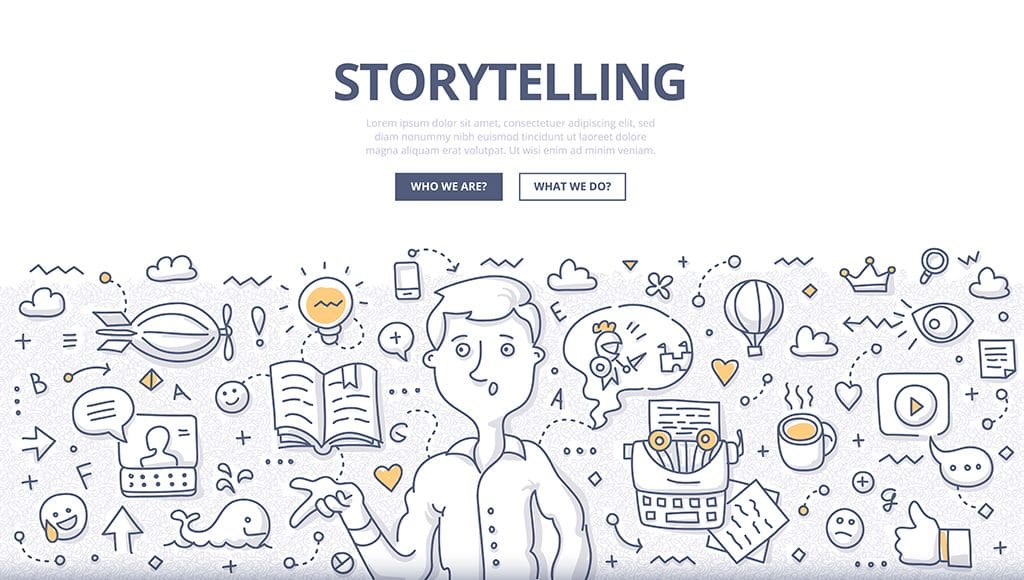
Illustration of brand storytelling on a website.

Your audience comes to know who you are, what you offer, and why it should care through the stories you tell. What’s your personal story as the founder of your company? What stories can you tell that feature your customers? Or your team? What about events and activities that show social responsibility or community contributions? Every story you tell fosters your brand message and helps to make connections and foster relationships.

Wrapping It Up

The most important thing you can do for your business is to build a brand message and foster it in everything you do.

Your goal is to become consistent with your mission, your voice, your logo and motto, and all content or ad materials you publish. And all of these are based upon the demographics of your audience. When you honor that audience throughout your brand building and maintenance, you will reap loyal customers who trust and appreciate you.

Graphic Design Trends 2019

In 2019, you can expect to see plenty of digital and graphic design elements that create a sense of order, beauty, and self-awareness. Jarring colors become harmonious in tiled patterns and modern collages, exaggerated proportions make for delightful and inclusive illustrations, and glitches become an aesthetic all their own.

Like many trends across all branches, digital design in 2019 will feature a healthy dose of both nostalgia and futurism. With retro influences from brutalism, cubism, and abstract art, the design trends of 2019 are reinventing some of the most aggressively disruptive aesthetic movements of the past to create a bold and colorful vision for the digital future.

What are the top 2019 Graphic Design Trends?

Here are the top design trends that we predict will dominate the digital & offline landscape in 2019:

  1. Bookman & Oldstyle Serifs
  2. Custom Typefaces
  3. Eco Packaging
  4. Retro Human Illustrations 
  5. Subtle Motion
  6. Memphis
  7. Digital Brutalism 
  8. Complex Gradients 
  9. Abstract Geometry 
  10. Evolved Patterns 
  11. Isometric Illustration 
  12. Broken Grid Layouts 
  13. Augmented Reality
  14. Modern Collage
  15. 3D Elements

Bookman & Oldstyle Serifs

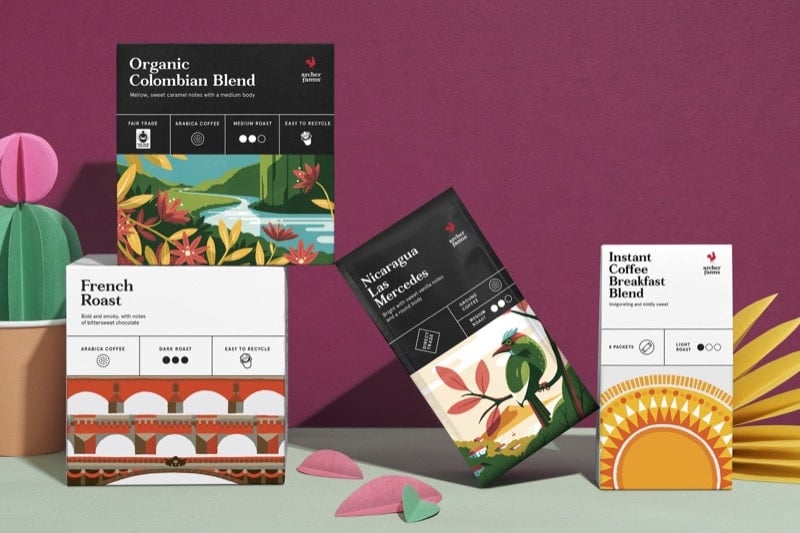
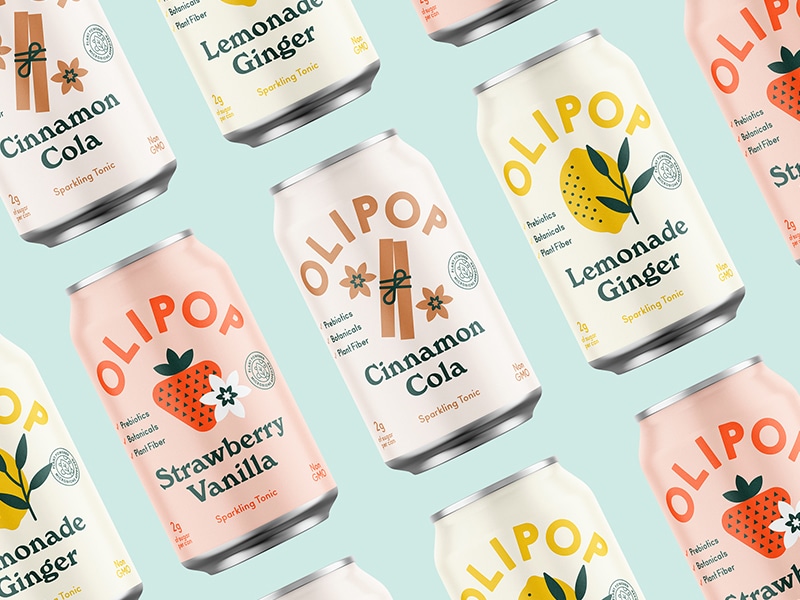
With the generic, sans-serif typeface being the face of nearly every global company, brands are now rebounding and bringing back some emotion in the form of personality-packed serif typefaces, often in Bookman, Oldstyle or transitional styles.

Olipop Dribbble

Custom Typefaces

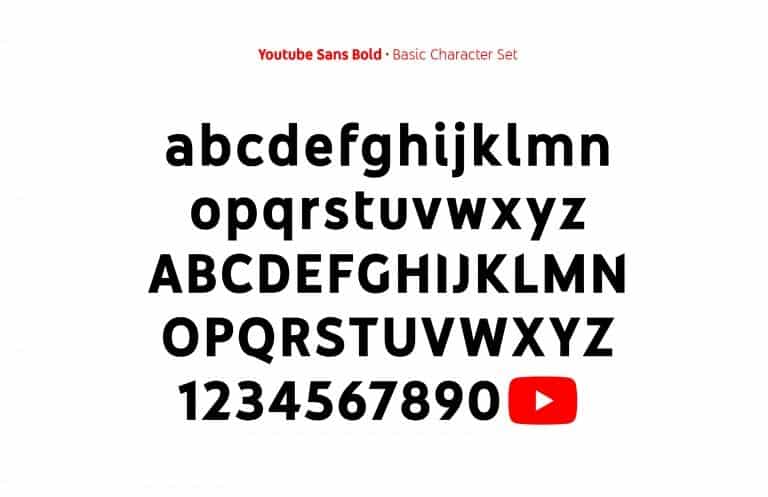
All the big brands (AirBnb, Apple, Google, etc) are forking out the big bucks creating custom typefaces for their brands.

Can’t afford a custom typeface like the 99% of us? Look for something different when choosing a typeface. Instead of Gotham, try an alternative.

Netflix Sans

YouTube Sans Font

Eco Packaging 

Plastic is permanently on the news today, and to counter this mounting pressure from consumers, brands are reducing their use of plastic, such as Corona’s biodegradable beer packaging.

Retro Human Illustrations

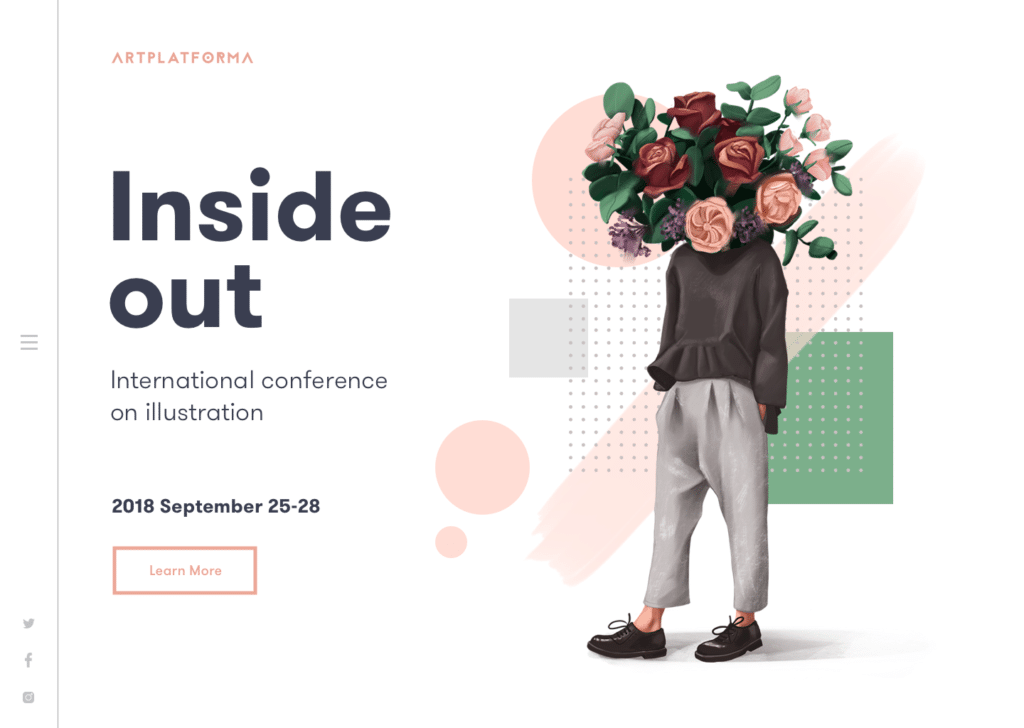
Exaggerated proportions and unrealistic coloring make for a delightful alternative to generic stock photos. You can even make your own retro human here.

Retro Humans Design Trend

retro human

Subtle Motion

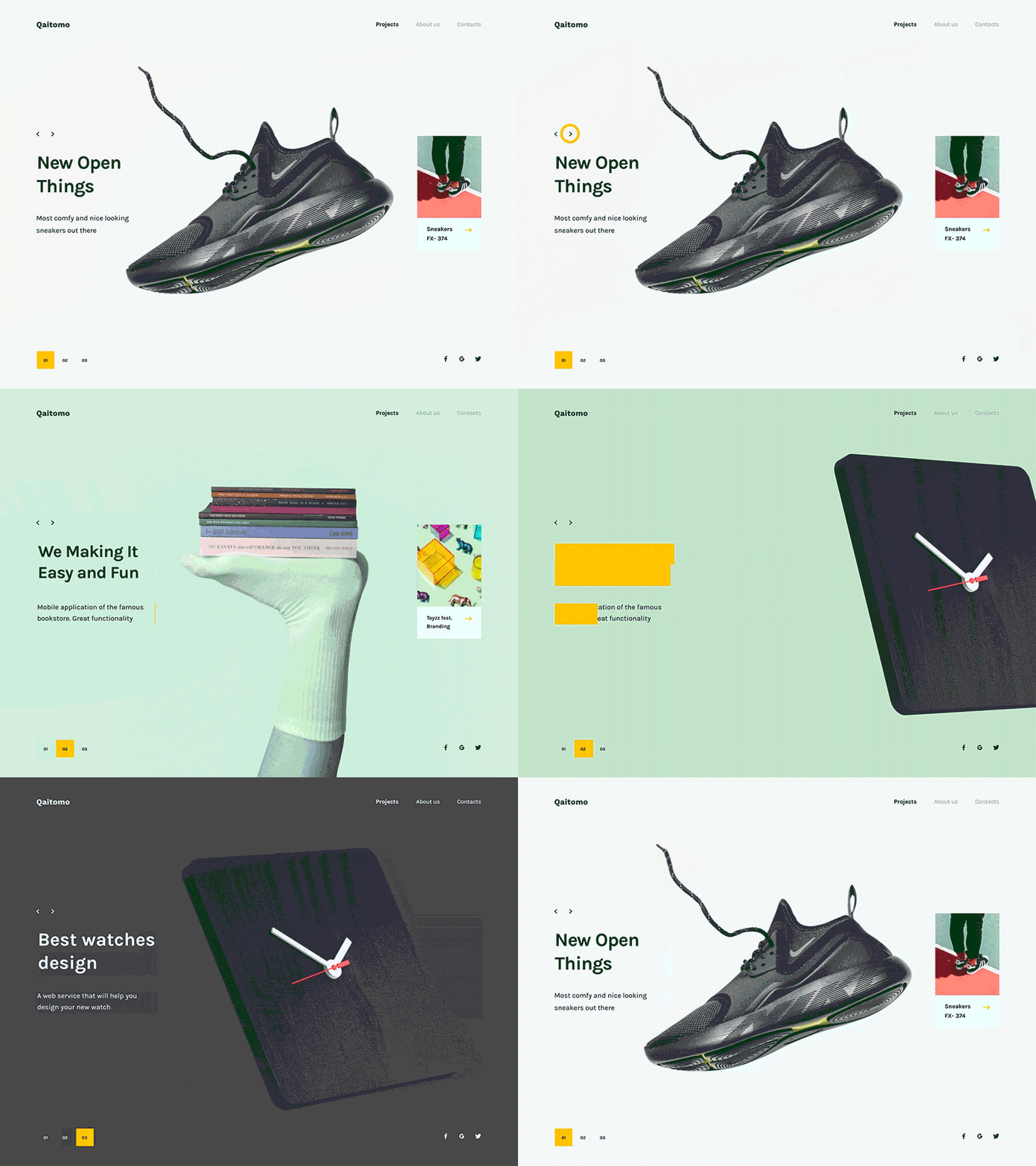
Micro-interactions are nothing new, but their true value is now being realized, especially in web design where you can really maximize the “surprise & delight“.

Micro Interaction Trend


Memphis

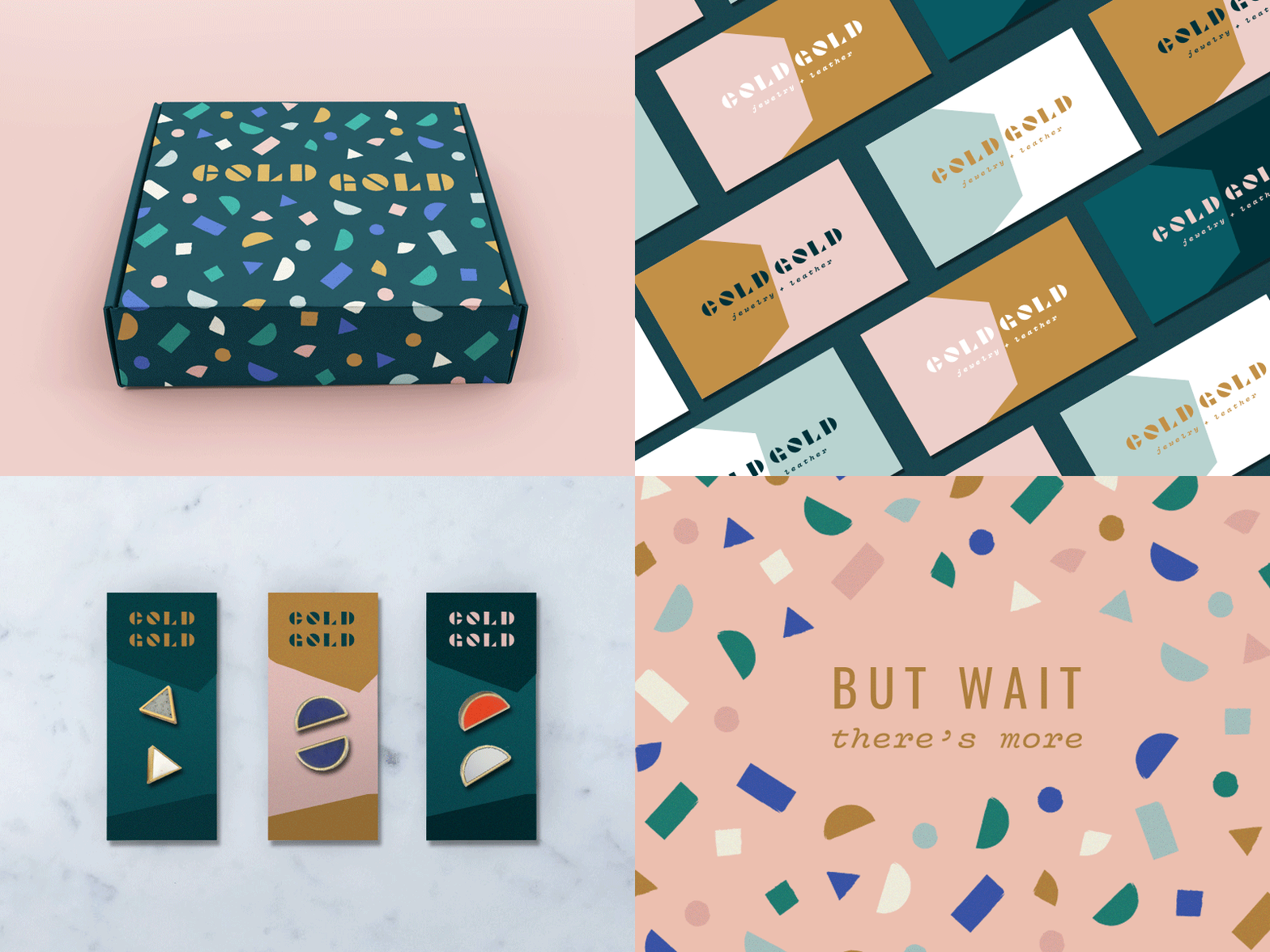
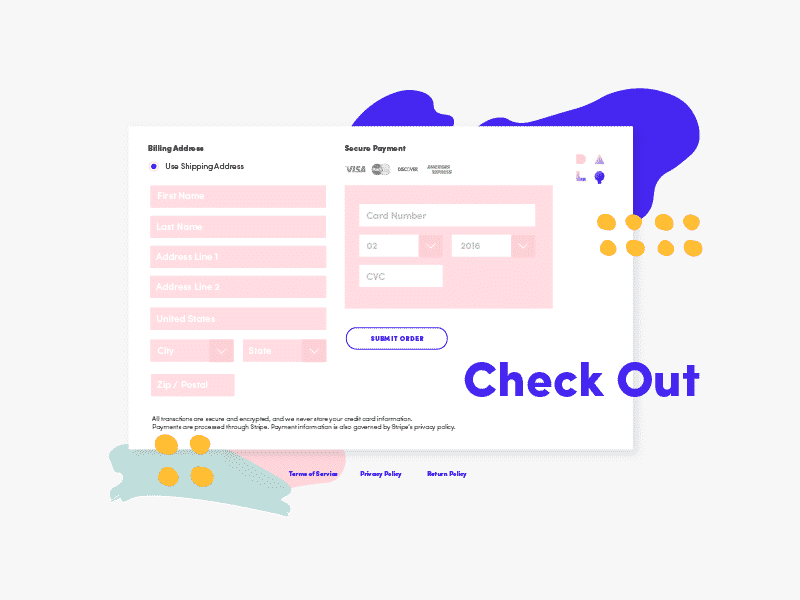
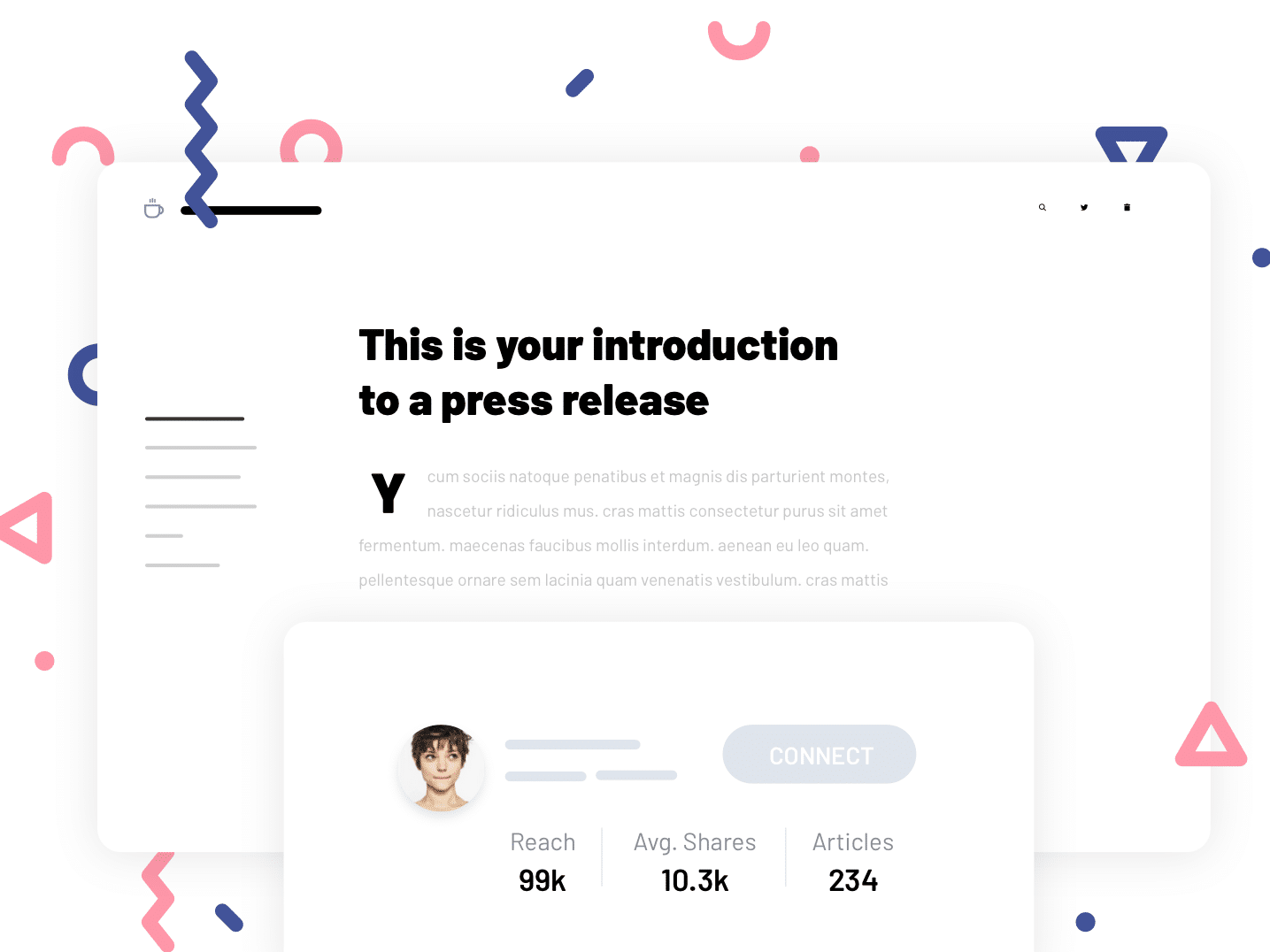
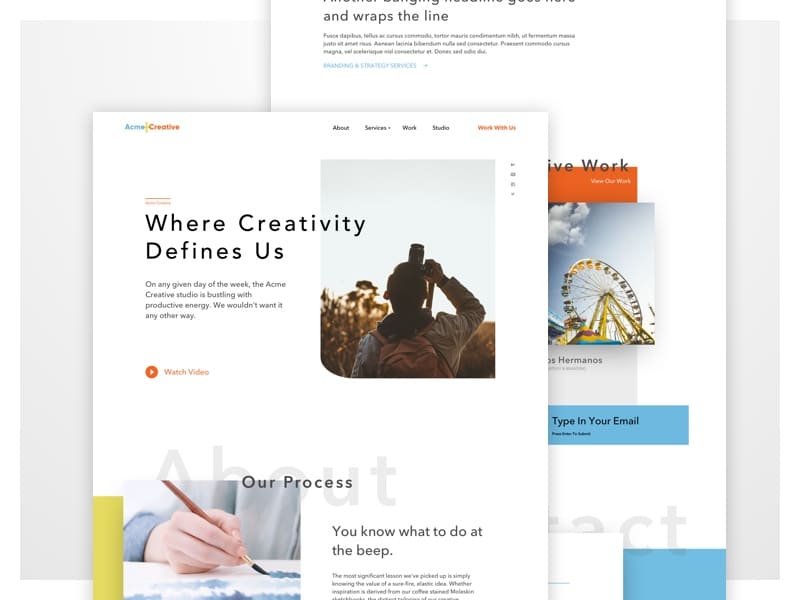
The  Memphis design trend is a rebellion against strict grids, “good taste”, and meticulously arranged elements, often using patterns reminiscent of the 80s, Art Deco, Pop Art and 1950’s Kitsch.

Memphis Design Style

Memphis Design Trend: Website Checkout Trend

Memphis Design TrendMemphis Graphic Design Trend

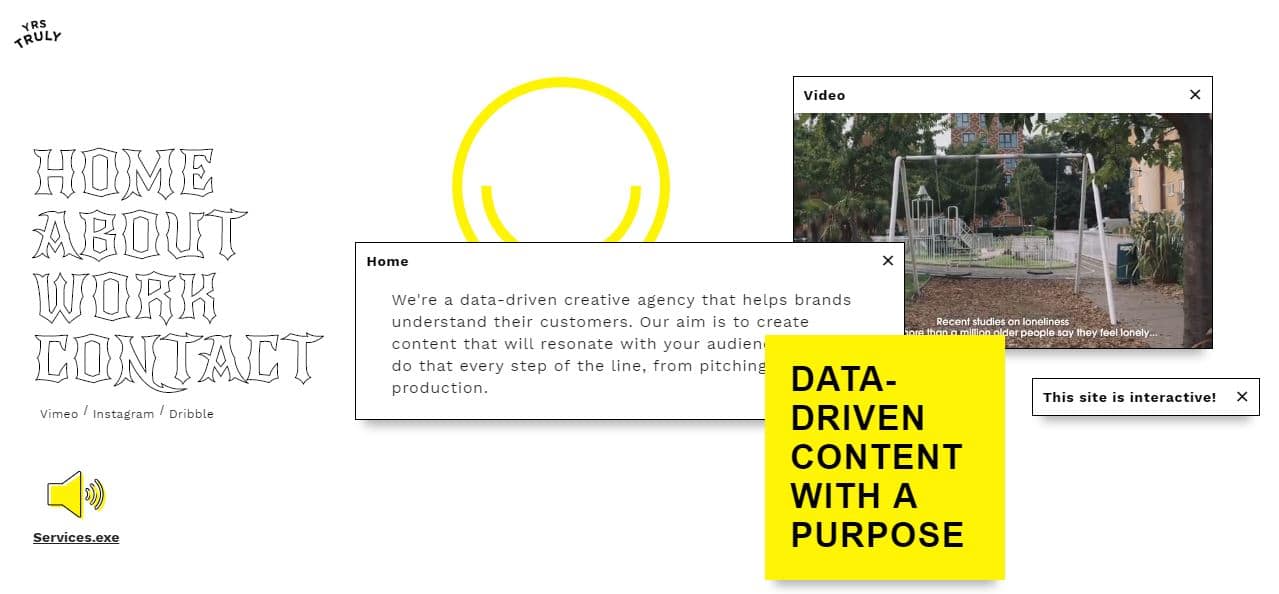
Digital Brutalism

Clutter meets utilitarianism, eschewing basic tenets of user-friendliness and legibility in favor of a self-aware ugliness.

Brutalism Graphic Design Trend

broken grid

Complex Gradients

Vivid, dreamy color palettes and subtle shading add unreal depth to illustrations that would otherwise remain flat.

Complex Gradients Design Trend

complex gradients

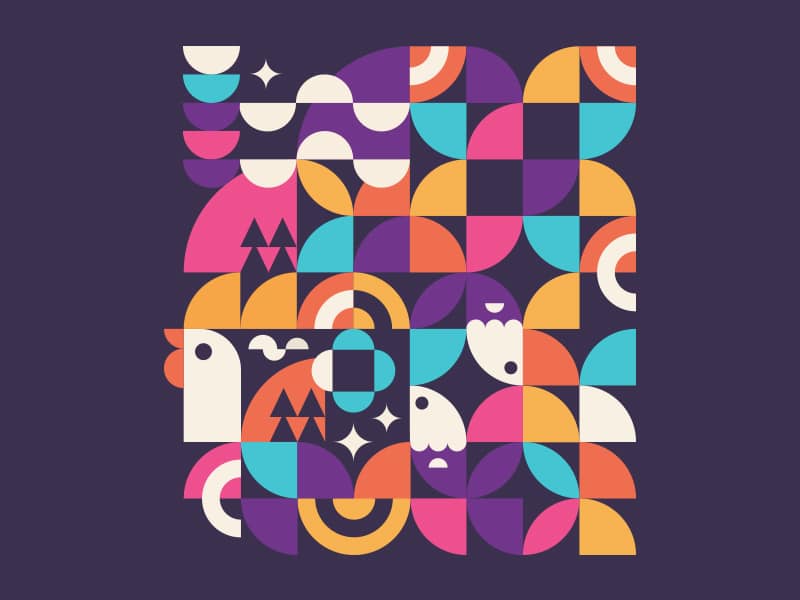
Abstract Geometry & Shapes

Colorful, geometric and amorphous shapes convey a sense of playfulness and creativity.

Abstract Geometry Design Trend

abstract geometry

Abstract Geometry

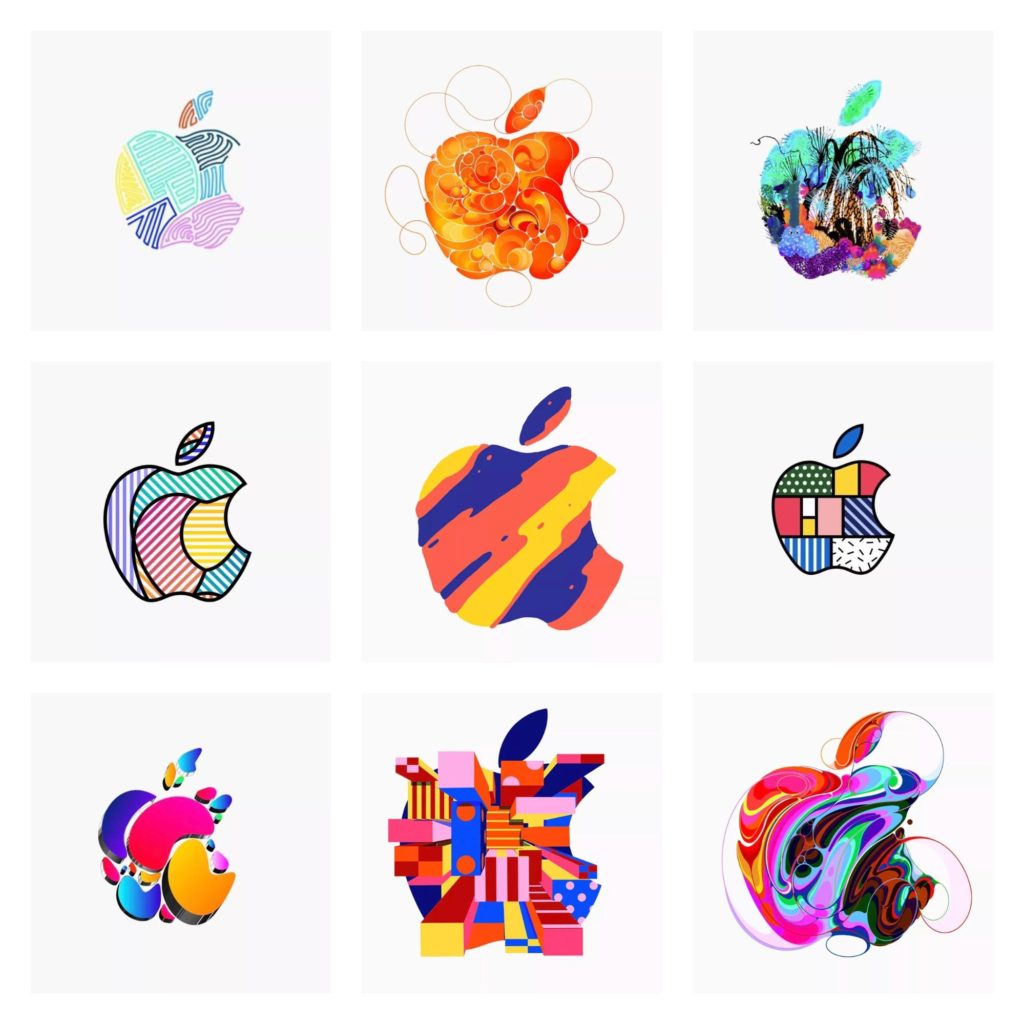
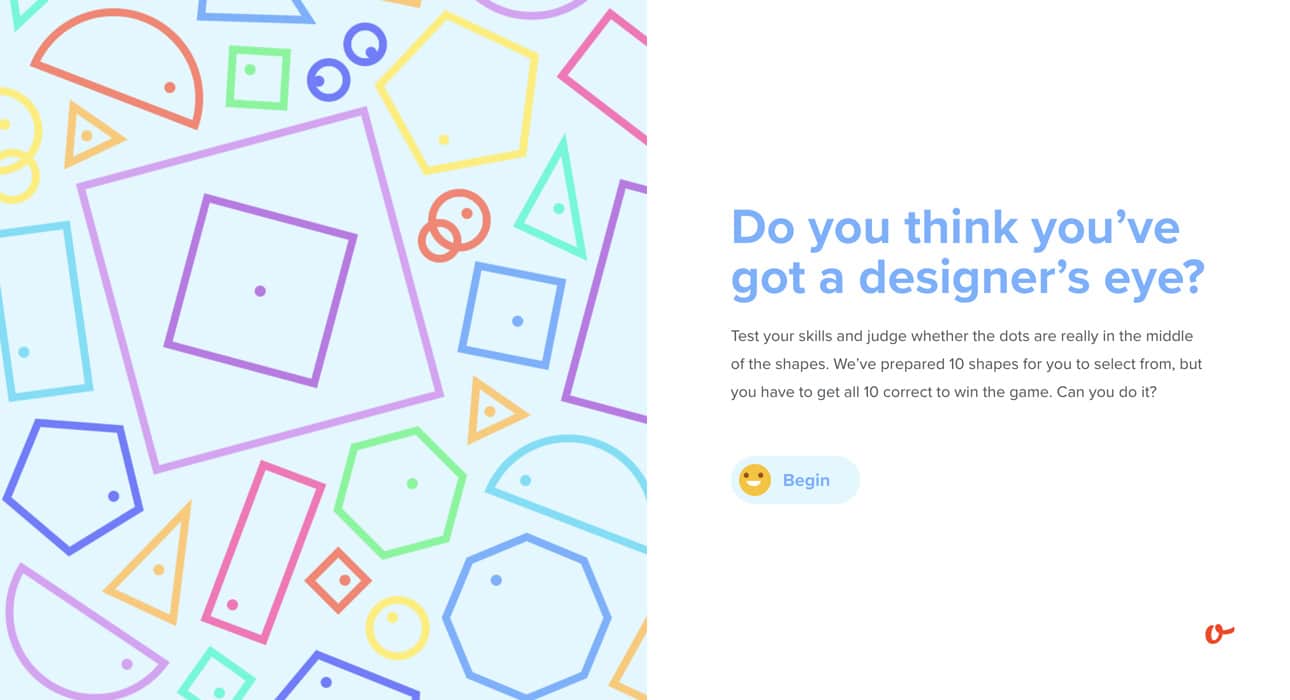
Evolved Patterns

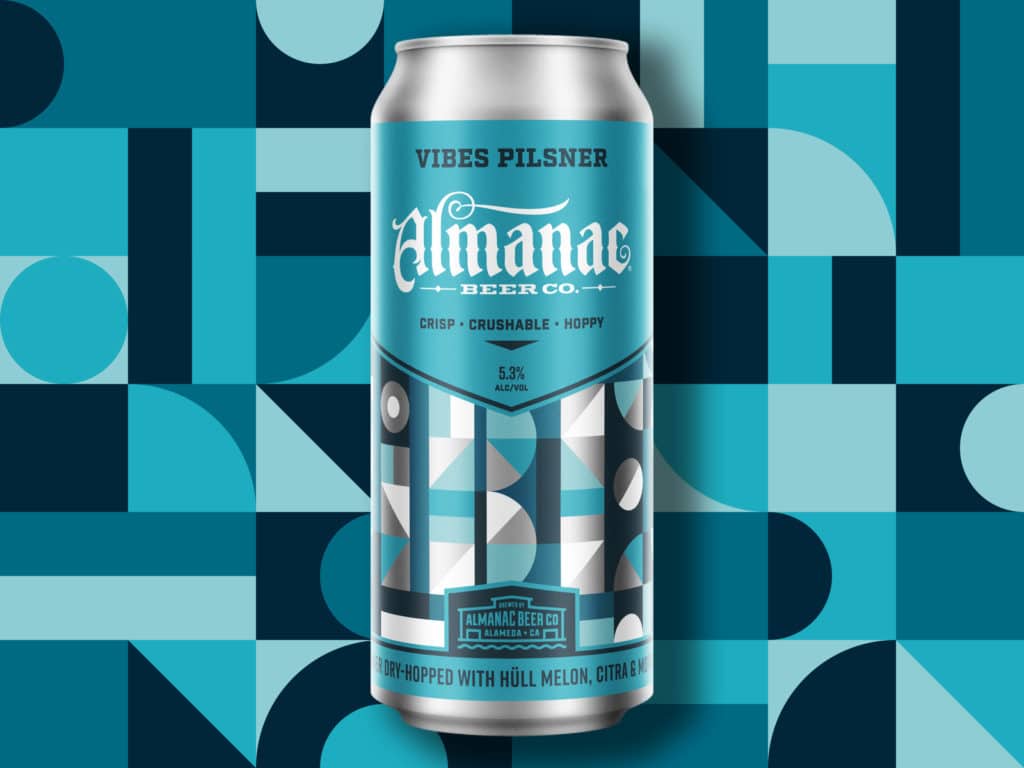
Complex lines, patterns, tiled fills and dramatic backdrops create striking contrasts, especially when used with negative space. 

Apple Patterns

evolved patterns

Isometric Illustration

Visual storytelling through elaborate yet simplified miniature landscapes or scenarios. 

Isometric Design

isometric illustration

Isometric VR

Broken Grid Layouts

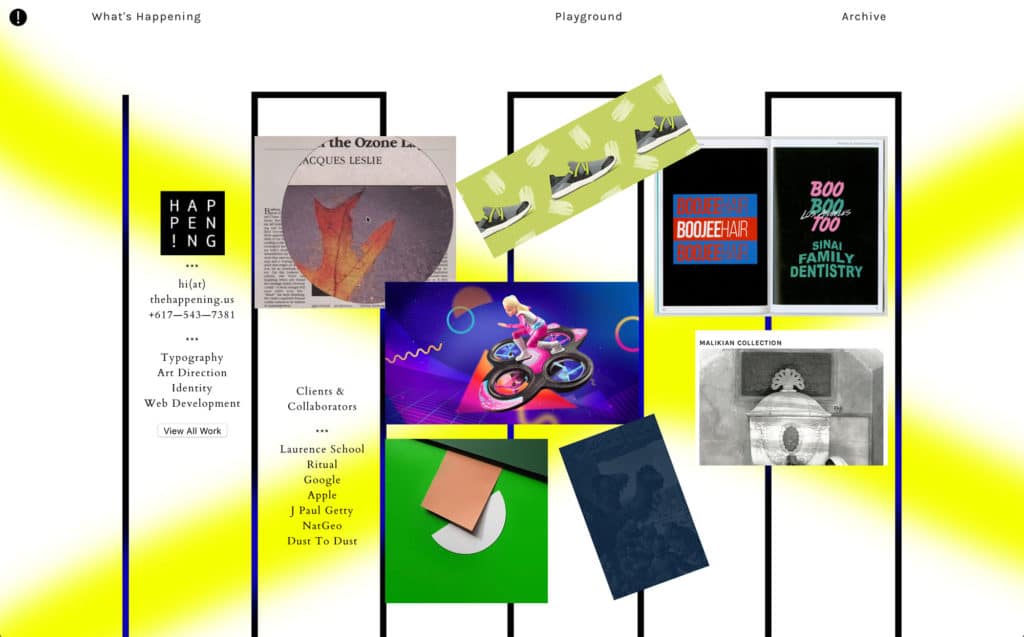
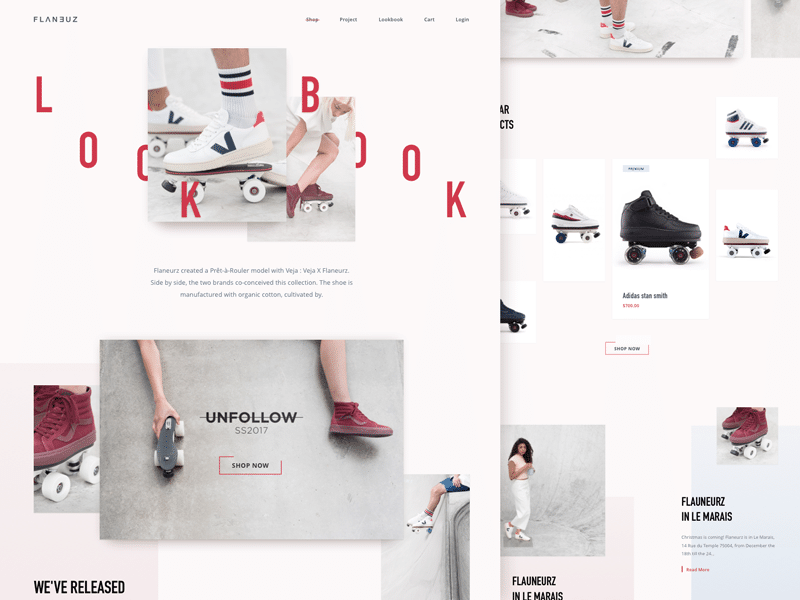
Minimalism meets thoughtful disarray when design elements wander to create striking asymmetry. 

Broken Grid

Broken Grid 2

Modern Collage

Blending distinct mediums like photos and vectors to create montages of digital clippings. 

Modern Collage

Modern Collage

3D Design

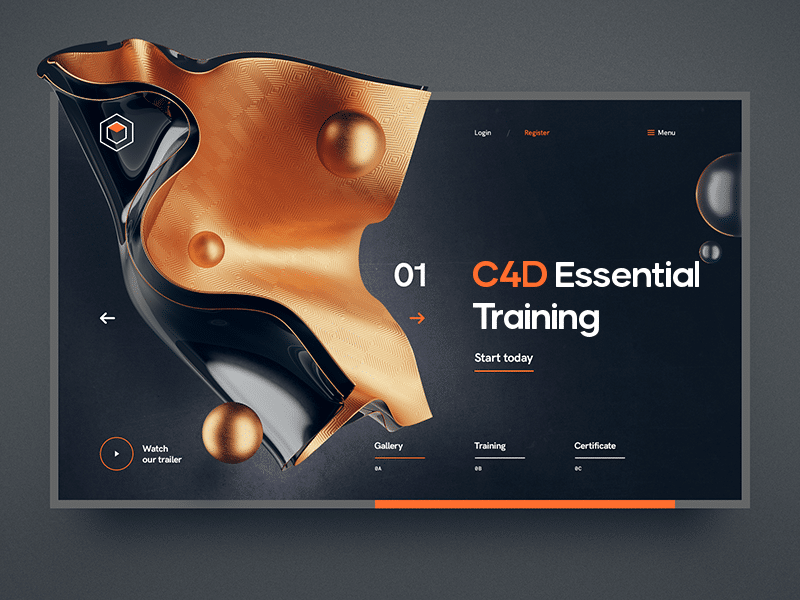
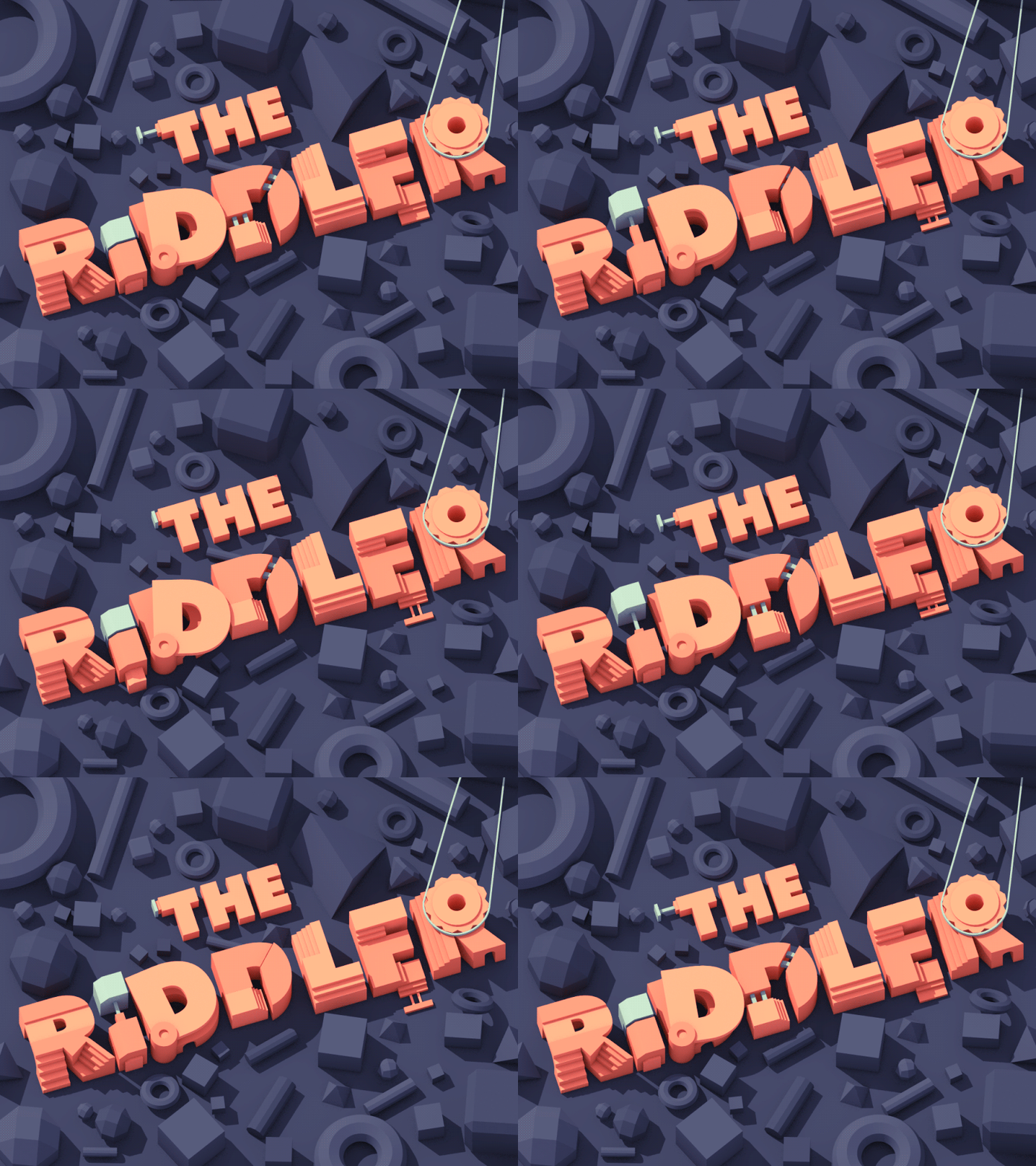
With flat being all the rage in the past few years, designers are giving new dimensions to their work by adding 3D elements.

3d design trend 3D type design trend 3d work

Graphic Design Trends 2019 Infographic

Here are the graphic design predictions for 2019.

Graphic Design Trends 2019

More 2019 Graphic Design Trends Articles

What are some other trends you’ve noticed?

Credits: Thanks to Coastal Creative, Creative Market, Allie Mounce (Memphis), Diane Lindquist (Memphis Web), Brenttton (Complex Gradients), Peter Tarka (Isometric), DKNG (Abstract Geometry), Alex Spenser (Evolved Pattern), UI8 (Micro-Interaction), Kostia Varhatiuk (Broken Grid), Alex Benson (Broken Grid 2), Joanna Ławniczak (isometric), Folio Illustration Agency (3D), Nate Tate (Memphis), Mike Creative Mints (3D), Guillaume Kurkdjian (3D), Tubik (Modern Collage). If I’ve missed anyone, let me know and I will add your credits!