Sunday, 14 April 2019

Animal Symbolism in Logo Design, Graphic Design & Branding

A company’s logo can be as synonymous with their brand as the product that they offer consumers.

Some of the best logos not only stick in your head because they are so iconic, but because the imagery that is used can convey emotions that can build a relationship, before a consumer even purchases a product.

For many companies throughout history, this brand awareness is curated using animal symbolism in their logo. Depending on the type of animal chosen, a brand is strong, fast, luxurious, caring, mysterious and many other emotions.

In our world today, many people can see the logo for Twitter (bird) or MGM (lion) and it can create not only an emotional connection but can also trigger memories, whether good or bad, it creates that connection.

Here we look at animal symbolism, the meanings of animals, and what each animal represents in the context of logo design, branding and advertising, explaining the connection and meanings that these animals can stir up in consumers.

On related note, see our our prior article on animal symbolism in web design.

Logos Using Animal Symbolism

  1. Panther
  2. Snake
  3. Cat
  4. Cheetah
  5. Monkey
  6. Mouse
  7. Duck
  8. Lion
  9. Cow
  10. Deer
  11. Wolf
  12. Rhino
  13. Turtle
  14. Bat
  15. Chicken
  16. Whale
  17. Rabbit
  18. Owl
  19. Crocodile
  20. Camel

Panther

PantherPanther Panther


The jungle cat, the panther, can be viewed as a symbol of courage, beauty, cunningness, viciousness, grace, protection as well as death and rebirth. It’s no surprise to see this majestic animal being used in many different logos from the auto industry to professional sports teams. The use of a panther logo can convey strength, honor, and valor.

Snake
SnakeSnakeSnake


Across cultures as well as history, the snake has been viewed by many as a symbol of transformation, rebirth, healing, and even immortality. While some religions may attribute the snake to the story of Adam and Eve, many other cultures relate snakes to guardianship as well. Snakes also have a venomous side and could even convey an evil undertone when used appropriately.

Cat
Cat

Cat

While in ancient Egypt, cats were held in high esteem, cats symbolize many different areas including freedom, patience, flexibility, healing from within, an adventurous spirit and curiosity. It is this curiosity that is portrayed in many logos featuring cats. Many logos will use cats to portray a sense of playfulness and comfort regarding the way they want to portray their brand.

Cheetah

Cheetah

Cheetah Cheetah Logo

The fastest member of the animal kingdom, the Cheetah symbolizes many of the things that make it such an amazing member of the animal kingdom. These include action, fast thinking, passion, progress, assertion, flexibility, and protection. Many logos that use a cheetah will either have the animal appear to be in motion or with a look of animosity to portray the protection that the cheetah symbolizes.

Monkey
Monkey

Monkey Monkey

As one of our closest cousins in the animal kingdom, many people can see many of the traits we have as humans in monkeys. This makes perfect sense as the monkey symbolizes intelligence, lightheadedness, seriousness, intensity, honor, involvement, grace, community, activity, family, protection, health, charm, curiosity, understanding, authority, observational clarity, energy, and untamed nature. Many of the same qualities that we as humans possess. Many logos will display a monkey’s seriousness or intensity while others will focus more on the charm that a monkey can symbolize.

Mouse

Mouse

MouseMouse

One of the biggest brands in the world uses a mouse as part of its logo. Whenever someone sees it, they instantly know the company and the emotions that come with it. A mouse can symbolize many things including resourcefulness, modesty, adaptability, curiosity, determination, shyness, and innocence. May logos using a mouse will try to accentuate the innocence of a mouse, which can make a logo unforgettable.

Duck
DuckDuck

Duck

Ducks are one of the most sociable creatures on Earth. It is very rare to see a duck by itself and not conversing with other members of their flock. This sociability comes across when companies decide to use a duck on their logo. Their symbolism is attributed to companies choosing a duck. These include clarity, comfort, family, protection, energy, emotional strength and grace.

Lion
MGM Grand Logo

Lion

Lion

The King of the jungle. The lion by itself needs no introduction. Many companies choose to use an ion or lion head in their logo to convey strength and stability. Companies that choose a lion for their logo are far off from the symbolism that comes with a lion. These include majesty, strength, courage, justice, excellence, and resilience.

Cow
Cow

Cow

Cow

Revered by some cultures as sacred animals, cows have become an integral part of our lives. While companies that use a cow in their logos may be in either the agricultural or milk-producing fields, the symbolistic traits of being loving, generous, fertile and nurturing are on full display in their logos

Deer

Deer

Deer

Deer Deer Logo

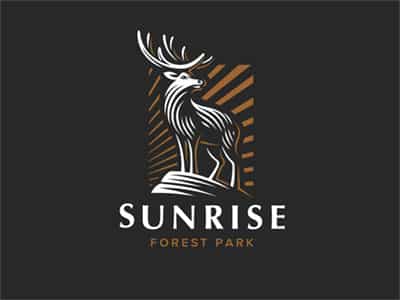
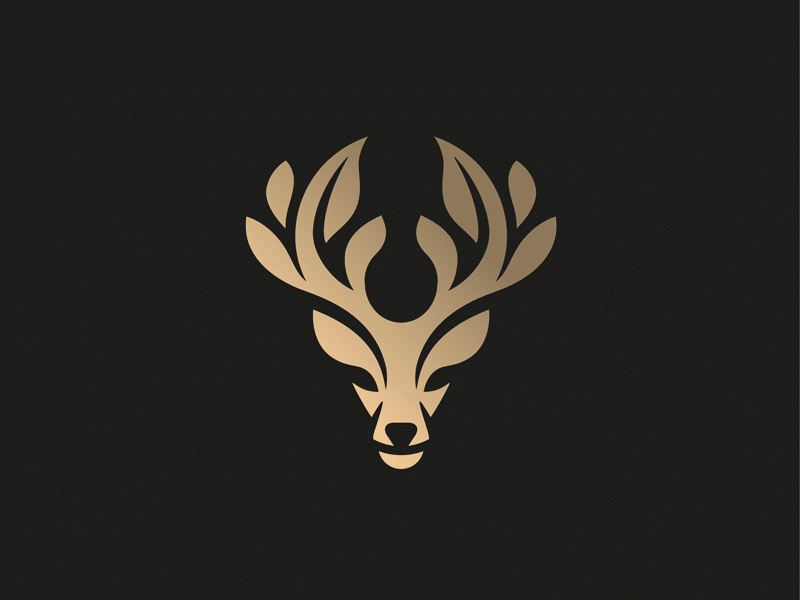
The deer family has mythological ties back to ancient Greece when the goddess Artemis considered the deer to be sacred. The symbolism of deer plays to the heart of their natural environment. Deer represent energy, independence, and regeneration as well as the gentle, yet enticing lure that can come from starting a new adventure. Logos that have a deer or stag as a focus may be trying to capitalize on that independence or sense of adventure. Deer logos by Roy Smith, Sergey Kovalenko, Sava Stoic.

Wolf
Wolf

Wolf

Wolf

The ancestor of man’s best friend, the wolf symbolizes intelligence and freedom, loyalty, communication, compassion, and friendship. At the same time though, a wolf may symbolize power, togetherness, and trust. Many logos will convey trust or the power that a wolf possess in branding their company.

Rhino
Rhino

Rhino

Rhino

When you look at a rhinoceros, what thoughts come to mind? Danger, strength, power? Those feelings are what companies hope to convey using an image of a rhino on their logo. While the image of a rhino can invoke those feelings, a rhino can symbolize the opposite feelings including freedom, judgment, longevity, and stability.

Turtle

Turtle

Turtle Turtle

The sea turtle is one of the oldest creatures on Earth and has been used in symbols in many different cultures throughout history. For many cultures, the use of turtle imagery can symbolize good luck, endurance, and long life. The imagery of a turtle’s shell can portray a sense of protection that many logos will focus on in order to convey that feeling about their company.

Bat
Bat

Bat

Bat

The most iconic image featuring a bat is the logo for Batman. Just about anyone who sees the logo knows who that is for. Bats can have many different symbolic meanings depending on the culture. While for many, a bat can represent fear, the image of a bat can also symbolize rebirth, illusion, dreams, journeying, communication, and intuition. In China, a bat can symbolize happiness and joy.

Hen/Rooster

Hen/Rooster

Hen/Rooster

Hen/Rooster

The image of a hen can have many symbolic meanings that logos may try to portray to build trust with their customers. While in general birds can be symbolic with good luck, a hen is symbolic of fertility, birth. In Chinese culture, a rooster can symbolically mean both punctuality and honesty.

Whale

Whale

Whale

Whale

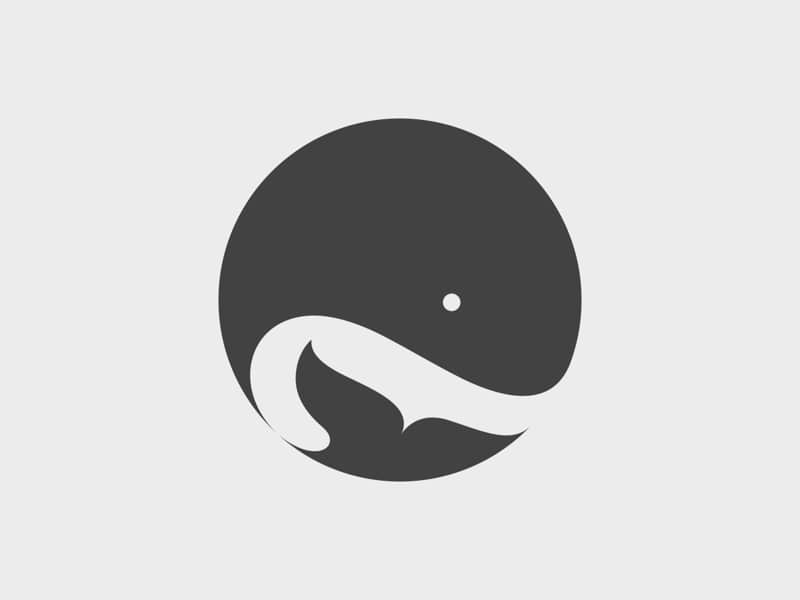
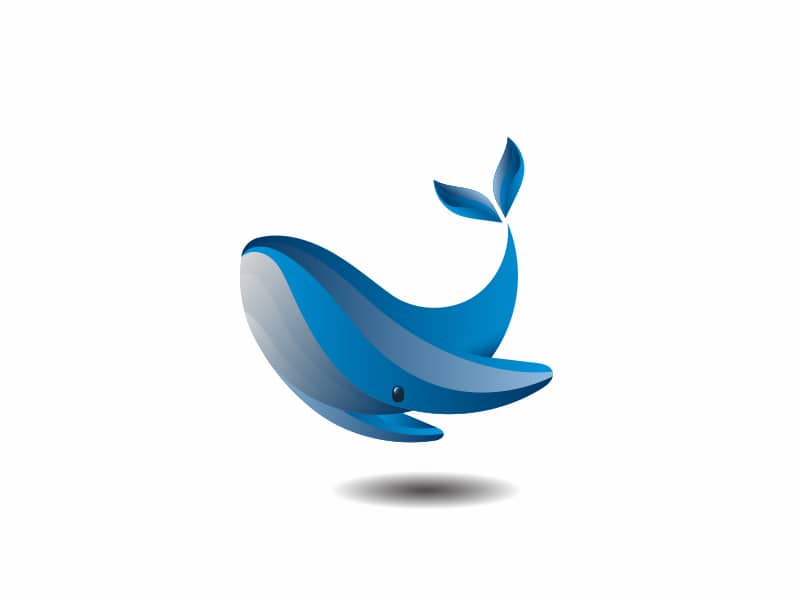
As one of the largest animals on earth, many different cultures throughout history had great respect for the whale with some considering them symbols of the world, the body, and the grave. Seeing the image of a whale can invoke many different feelings in people. When part of a logo, the image of a whale can have a symbolic meaning of compassion and solitude as well as the knowledge of both life and death. The image of a whale can also be symbolic of unbridled creativity, while exhaling through a blowhole may symbolize the release of creative energies.

Rabbit
Rabbit

Rabbit

Rabbit

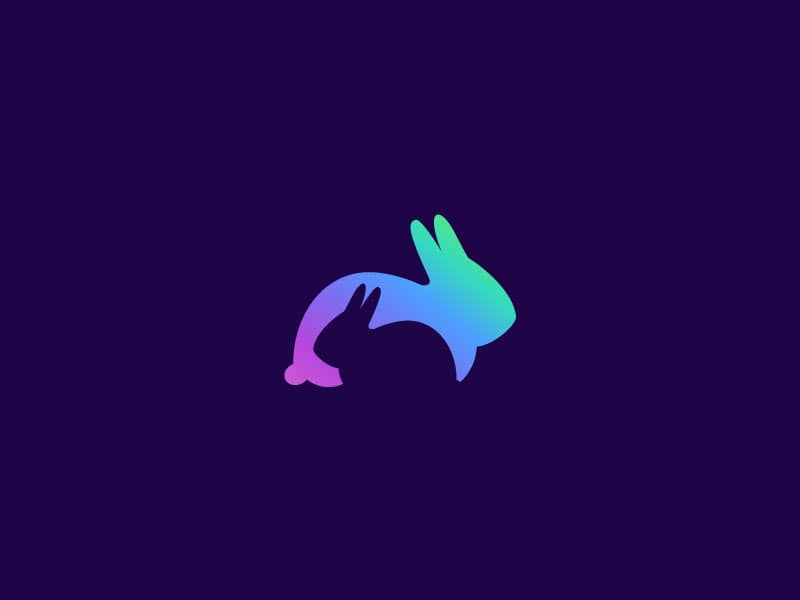
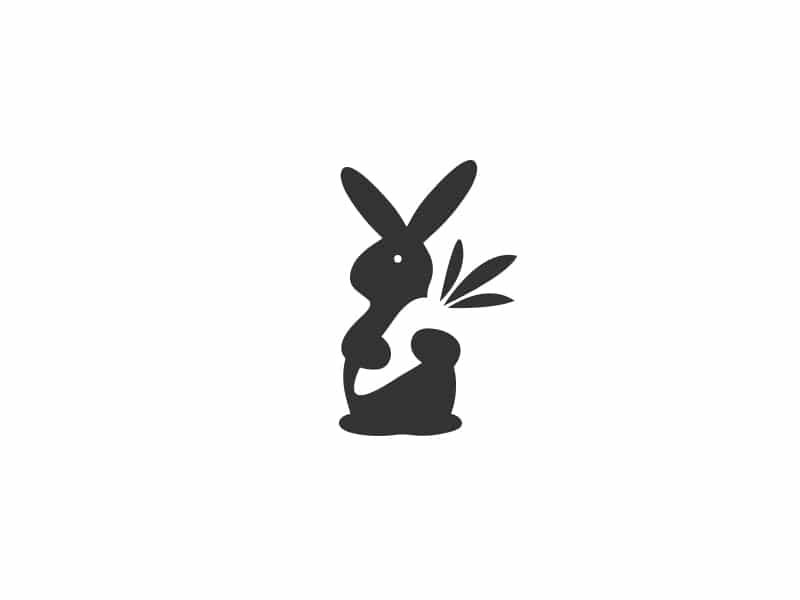
If you were a child in the 1980s and 90’s, you may remember the good luck rabbit’s foot keychain that it seemed like everyone and their grandmother had. This made a lot of sense because a rabbit not only symbolizes good luck, but also imagination, timing, intuition, and abundance. A rabbit can also be a symbol for rebirth as we celebrate the bunny rabbit on Easter.

Owl

TripAdvisor Logo

Owl

Owl

Owls can be both beautiful and mysterious creatures of the night. Many cultures and societies have associated them with darkness and negativity. Businesses that may work in education or travel will use an owl as their logo as the symbolism for an owl can portray wisdom, intelligence, knowledge, and experience as well as many other symbols.

Crocodile / Alligator
Crocodile

Crocodile

Crocodile

A crocodile can be one of the most dangerous and fascinating creatures. A descendant of dinosaurs, crocodiles symbolize courage, strength, honor, patience, cunning, fear and primal power. When watching a crocodile, it is very easy to see why they represent these ideals. Many logos will use these themes to represent their brand when using an image of a crocodile.

Camel
Camel

Camel

There are some who consider the camel to be the toughest animal in the world. Being able to endure long periods without water through the blistering heat of the desert, the reputation seems to fit. The image of a camel is meant to symbolize strength, endurance, and persistence as well as steadiness and patience.

Using Animal Symbolism in Logos, Graphic Design & Branding

When a company chooses to use an animal as a part of their logo, they are hoping, like many other famous brands to create a connection with their customer and create life-long relationships.

The symbolism that the image of an animal can portray can invoke an emotional response and belief that the ideals are at the core of the company.

We hope that our look at twenty animals that are used in logos can give you some ideas to work with. If you have a favorite animal that isn’t on our list that you’ve used before, let us know in the comments below!

This article was contributed by Bryan Downey. Copyright respective of each owner. 

Top 10 Best Office Chairs for Maximum Comfort

In 2012, a study found that we spend an average of 64 hours every week sitting on our gluteus maximus, the back to our fronts, more commonly known as our butt. That works out to about nine hours a day. That’s for an average person. If you work from home, it is likely going to be a much higher average number per day, depending on the day.

While too much sitting every day can lead to health problems such as weight gain, poor blood circulation, and even diabetes having an occupation where sitting is unavoidable for certain periods of the day can become problematic. Chair manufacturers have paid attention to these issues and the chairs your dad sat in at the office are long gone.

Today’s chairs are ergonomically designed to offer support and comfort for hours on end and reduce the risk of health issues. Now, while we don’t recommend sitting in a chair every day for 16 hours a day if you must be sitting at your workspace, shouldn’t you be as comfortable as possible?

While we know that not everyone is at the same place in their career, giving you a look at what we consider to be the Best Chairs for Working at Home is first and foremost about which chairs can provide you with the best overall value for the price.

First, though, let’s look at what you should be looking for right from the start.

Related posts:

What to Look for When Buying A Desk Chair

If you ask someone who spends a lot of their day sitting what they look for in a desk chair, most of the time, you are likely going to hear comfort as their number one answer. However, there are many different things that you should look at before choosing a chair. Choosing the first one you see or sit in for that matter is not the best idea because how it feels in the store, might not be how it feels at home. Here are some other things to keep an eye on:

Lumbar Support:

Have you ever stood up from a chair with lower back pain? The chair you may have been sitting likely didn’t have adequate lumbar support. Well-made office chairs will provide support for your lower back while you sit, and in some cases, can be adjusted so that the lumbar support fits correctly. This proper positioning is important because continuous lower back strain can lead to sciatica, which is a condition that as it gets worse can be debilitating.

Adjustability:

Just about every office chair that you can buy these days comes with options to adjust the height and the armrest placements of the chair. There isn’t the type of adjustability that you should be looking out for though. The highest quality chairs available today can have anywhere between five and 14 different adjustable areas to ensure the best fit when you’re sitting down.

Important areas of the chair that you should be able to adjust include arm width, height, the width and height of the seat back, lumbar support, seat, and back angle and tension control. The controls for these adjustments can come in many forms including a hand-help bulb, which is like a blood pressure pump or dial controls.

Wheel Base:

Before you go shopping, look at the type of floor that your new chair will be rolling around on. While just about every office chair will have a wheelbase, not all wheels are created equal. Some are better suited for rolling on carpet, while others work best on a solid floor. Having the right wheels for your floor will make it easier to move around.

Swivel Base:

A chair’s swivel base should move freely so that you can access any part of your desk without too much effort. Chairs that don’t swivel freely can create fatigue in your arms over time from stretching to reach objects.

Fabric:

Chairs can come in a multitude of fabrics for you to choose from. If you’re going to be sitting in your chair for many hours, it would be best to find a chair with breathable fabrics that can keep the chair from getting too hot or uncomfortable. The seat should also provide enough cushion so that the base of the chair isn’t felt through the seat

Best Office Chairs for Working at Home

For many, choosing the right office chair is akin to choosing the right bed. Like a bed, depending on the type of work you do, you may spend an extraordinary amount of time sitting in it, so making sure that we only feature the ones we believe offer a combination of quality and value appear on our list.

If you’re not happy with the chair you’ve chosen, or you’re looking for an upgrade, take a look at our list which has options for just about everyone. There’s budget chairs, chairs under $100, under $300 and under

  1. Aeron by Herman Miller $1275 (Jacob’s Recommendation)
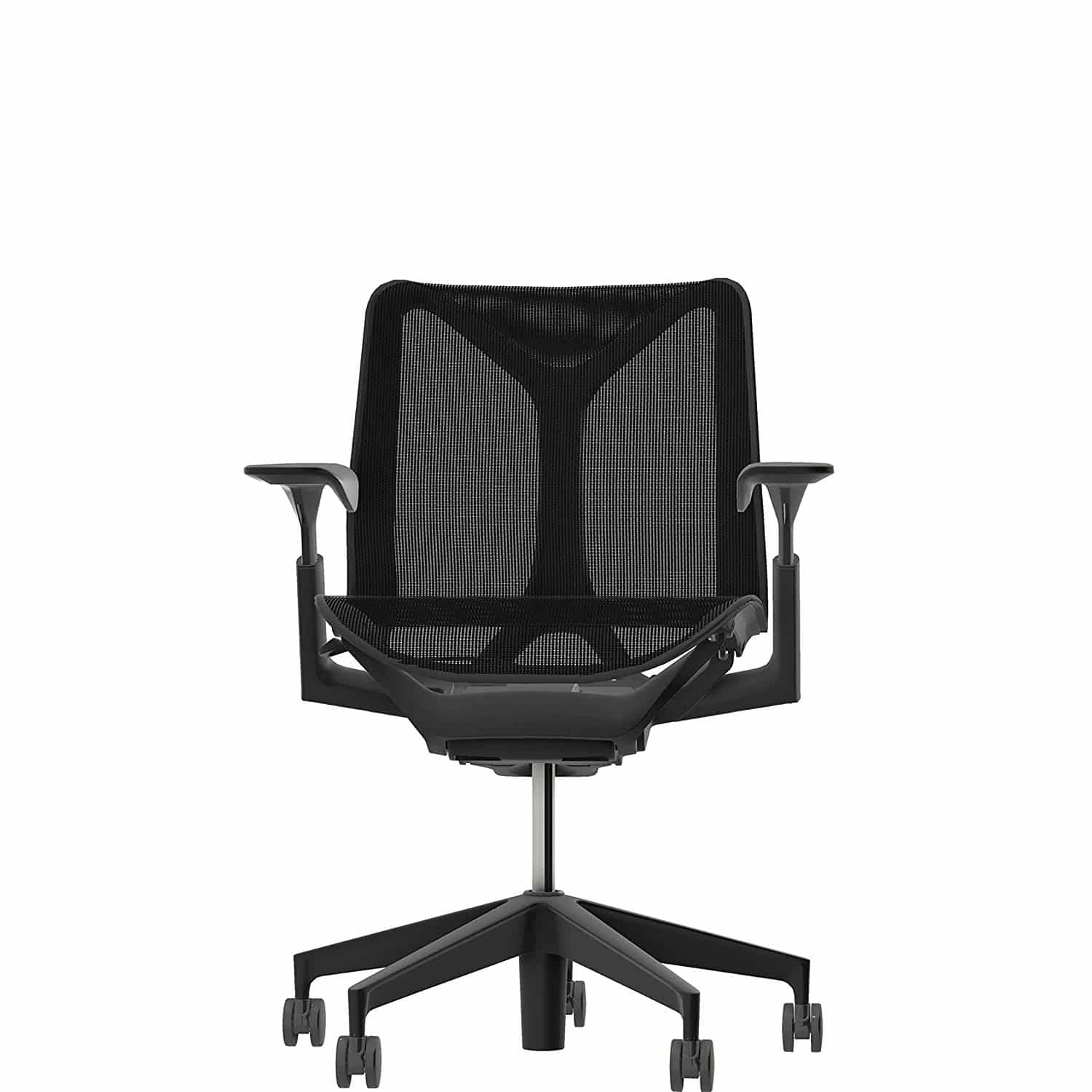
  2. Cosm by Herman Miller $1040
  3. Diffrient Smart office chair by Humanscale $850
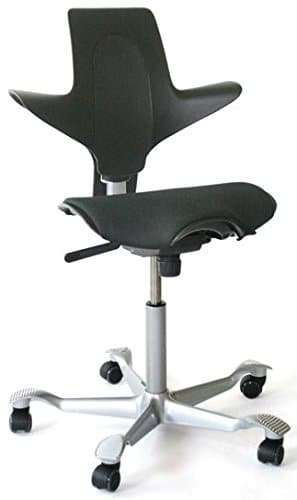
  4. Capisco Puls 8010 by HAG $549
  5. Elusion by Alera $177
  6. Sayl by Herman Mille $510
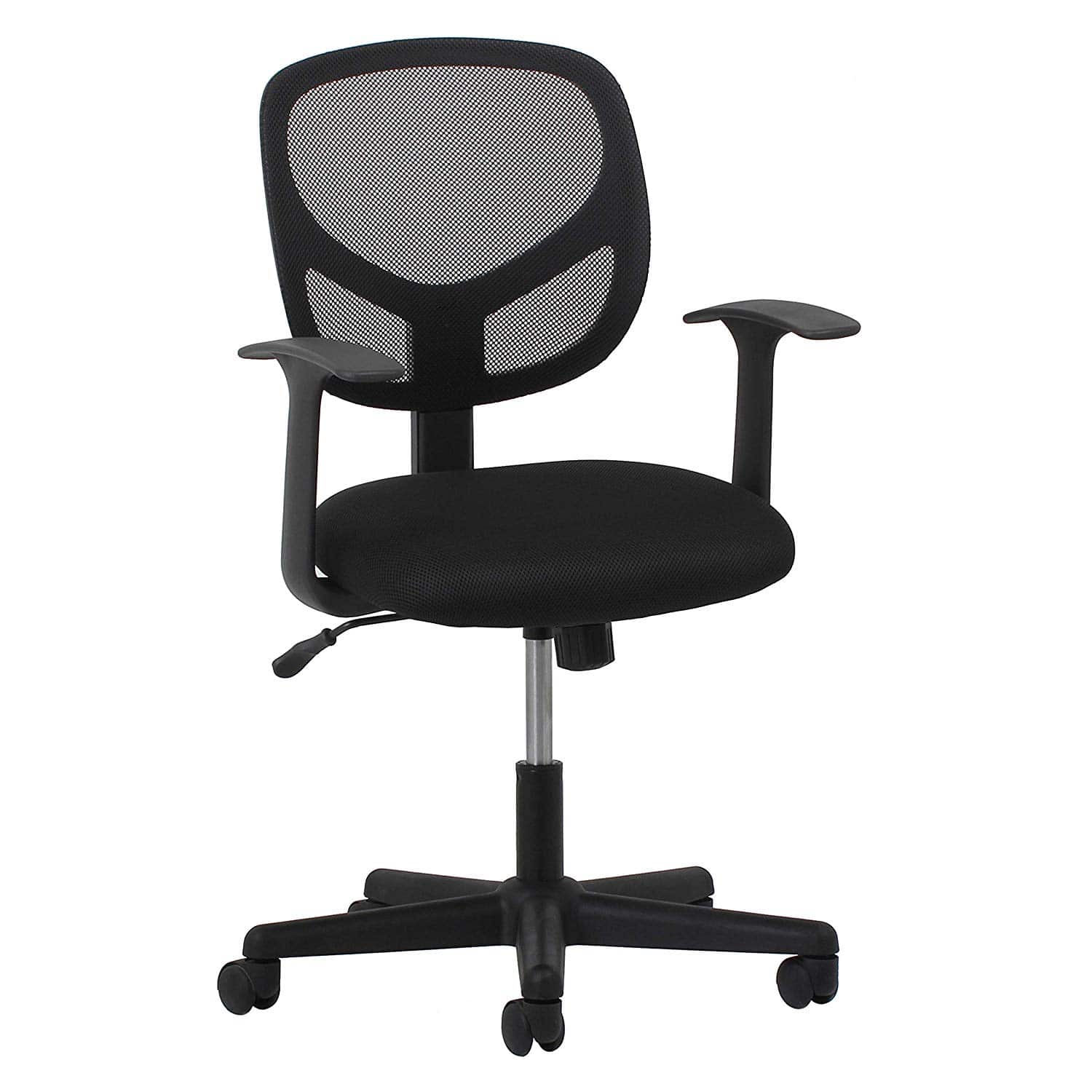
  7. Office Essentials Mesh Back Swivel Chair by Amazon $55
  8. High Back Mesh Chair by Flash Furniture $120
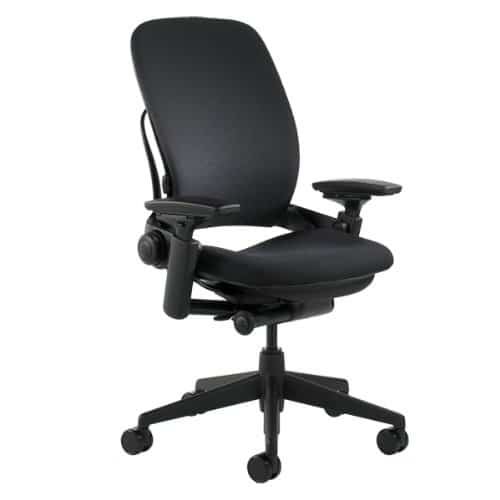
  9. Leap by Steelcase $880
  10. Ergohuman by Raynor $700


Aeron by Herman Miller

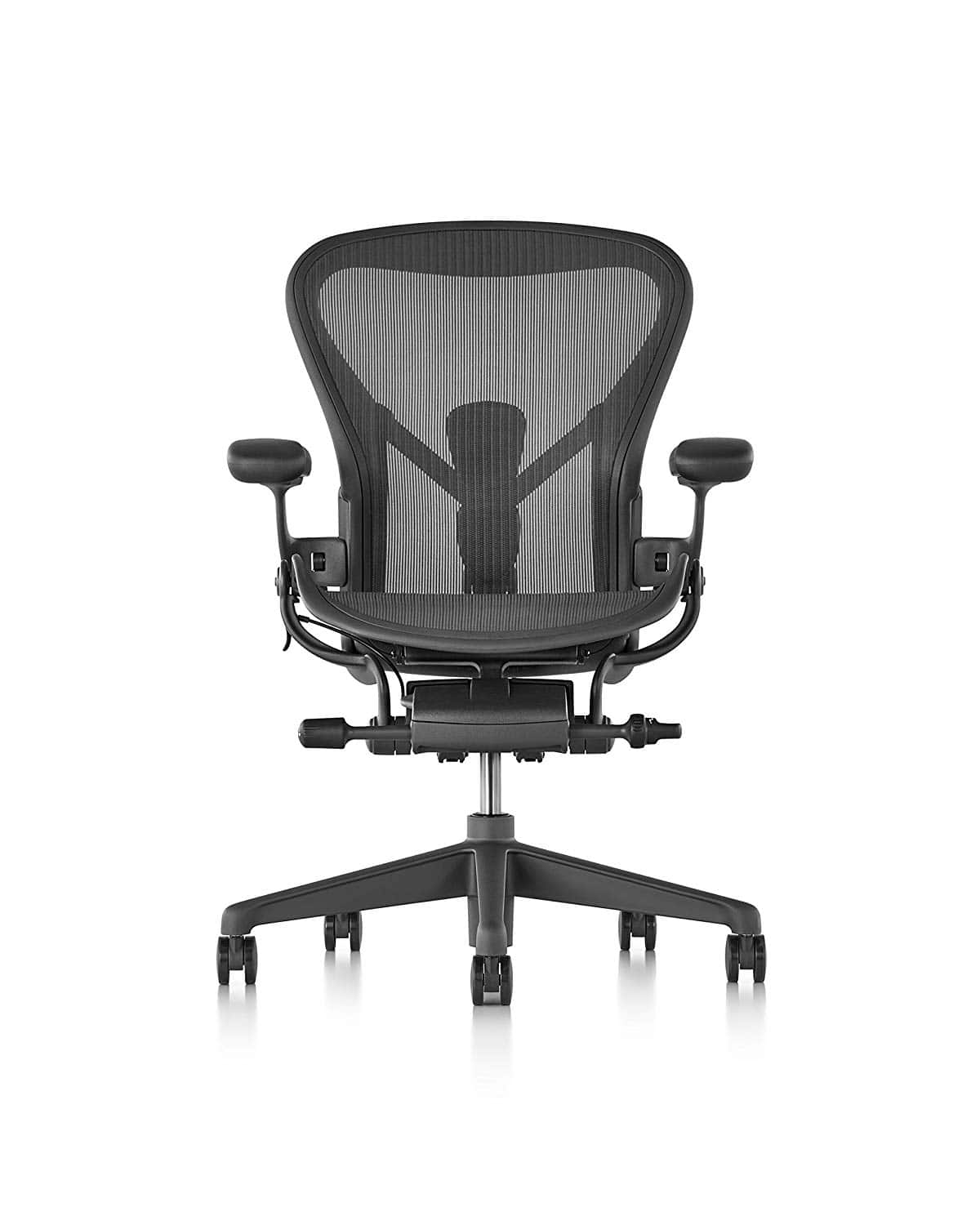
Aeron Chair

Seat height: 14.75-20.5in | Seat width: 25.75-28.25in | Max load: 350lbs | Lumbar support: yes | Height adjustable: yes | Tilt lock: yes (Height and width dimensions determined by model purchased)

We must admit that we have a bit of a soft spot for this chair. The Aeron by Herman Miller is the chair that Jacob uses every day (and has done for 10+ years) and it’s not hard to see why. Available in three different sizes to accommodate just about every person imaginable, the Aeron is by far, one of the best ergonomically-designed chairs ever made and will look fantastic in a home office or a board room.

Learn More

$1275


Cosm by Herman Miller

Cosm by Herman Miller

Seat height: 34-51.2in | Seat width: 26.7-29.3in | Max load: not known | Lumbar support: yes | Height adjustable: yes | Tilt lock: not known | (Seat height limit determined by model purchased)

Available in three different sizes as well as three different armrest choices, the Cosm, one of Herman Miller’s newest chairs is stunning as it is expensive. New innovations such as Cosm Leaf Arms, an armrest designed for your elbow instead of your whole arm and features including intercept suspension, auto-harmonic tilt, and seamless support, the Cosm is such a wonderful chair to sit in, you may not realize that it is a desk chair at all.

Learn More

$1040


Diffrient Smart office chair by Humanscale

Diffrient Smart office Chair - Humanscale

Seat height: 15.9in – dependent on seat depth | Seat width: 19.2in | Max load: 300lbs | Lumbar support: yes | Height adjustable: no | Tilt lock: yes

The Diffrient Smart office chair is a remarkable office chair and no, the name is spelled correctly. Designer Niels Diffrient has crafted a minimal mesh chair that has a beautiful ergonomic design but also doesn’t feature any manual controls. The chair adjusts automatically to your size, shape, and how you move. The armrests are attached to the back of the chair instead of the seat, so when you recline, they will recline with you. A tri-mesh backrest provides lumbar support and pivots when you lean back, adjusting to the shape of your spine as you recline.

Learn More

$850


Capisco Puls 8010 by HAG

Capisco Puls 8010 by HAG

Seat height: 18-24in | Seat width: 18in | Max load: Not known | Lumbar support: yes | Height adjustable: yes | Tilt lock: yes

For many workspaces, because of the harm that can come from sitting all day, standing desks have become more and more common. Even with those desks, sometimes you would like to sit and the Capisco Puls 801 by HAG with it’s unique but ergonomically beneficial is perfect for sitting at a standing desk. Made from a mixture of steel and plastic, the seat is based on a horse saddle and the foam infill separates your legs, allowing you to put your feet on the floor. The adjustable seat is angled in order to fit with the natural curvature of your lower back.

Learn More

$550


Elusion by Alera

Elusion Chair

Seat height: 18.75-22 3/8in | Seat width: 20.5in | Max load: 250lbs | Lumbar support: yes | Height adjustable: yes | Tilt lock: yes

A timeless, yet classic design was given to the Elusion by Alera offering a contoured seat and mesh back to keep things cool and breathable while you use it. The ergonomic design adjusts in order to accommodate multiple users and a height-adjustable ratchet back can give you the ultimate lumbar support during those long hours at your workstation.

Learn More

$177


Sayl by Herman Miller

Sayl Herman Chair

Seat height: 15.5-22in | Seat width: 24.5in | Max load: 350lbs | Lumbar support: optional | Height adjustable: no | Tilt lock: no | (Seat height limit determined by model purchased)

The Sayl from Herman Miller is the company’s attempt at a budget-friendly office chair for those who love the brand but might not be able to afford some of their more expensive options. By cutting some customization options on the chair and using an unframed backing, the Sayl lets your move between positions freely while the chair’s flexible strands provide support. The overall backrest is designed to prevent slouching and comes with an optional lumbar support

Learn More

$510


Office Essentials Mesh Back Swivel Chair by Amazon

Amazon Essential

Seat height: 17-22in | Seat width: 18.9in | Max load: 220lbs | Lumbar support: no | Height adjustable: yes | Tilt lock: yes

Throughout their history, the online selling giant Amazon has dutifully created quality products through their Amazon Essentials line and that quality continues with the economically-priced Office Essentials Mesh Back Swivel Chair. While the company admits that it is not designed for long periods of sitting, while you do use it, the ergonomic design, cushioned seat and mesh back along with adjustable height and tilt can make you as comfortable as possible.

Learn More

$55


High Back Mesh Chair by Flash Furniture

Flash Furniture Chair

Seat height: 17.25 – 20.75”| Seat width: 20.5in | Max load: 250lbs | Lumbar support: yes | Height adjustable: yes | Tilt lock: yes

The High Back Mesh Chair by Flash Furniture has been called by some as “the best and most versatile chair we’ve found under $100” and it’s extremely easy to see why it gets such high praise. With an adjustable headrest, firm lumbar support, and has an adjustable tilt tension knob. The only negative we’ve seen about this chair is that it doesn’t have adjustable armrests, which is a small complaint compared to the praise this chair continues to receive.

Learn More

$120


Leap by Steelcase

Leap by Steelcase

Seat height: 15.5 – 20.5in | Seat width: 19.25in | Max load: 400lbs | Lumbar support: yes | Height adjustable: yes | Tilt lock: not known

Many different people may look at a chair and see how comfortable it is, while others may put more focus on the price. With the Leap from Steelcase, for the price, you can have one of the most comfortable chairs available today. Easy to put together, the seat and backrest on the leap are ergonomically designed to offer you support and comfort in all the right places. Adjustable lumbar support and easy to use and reach controls can help ensure that your body is perfectly supported every time.

Learn More

$880


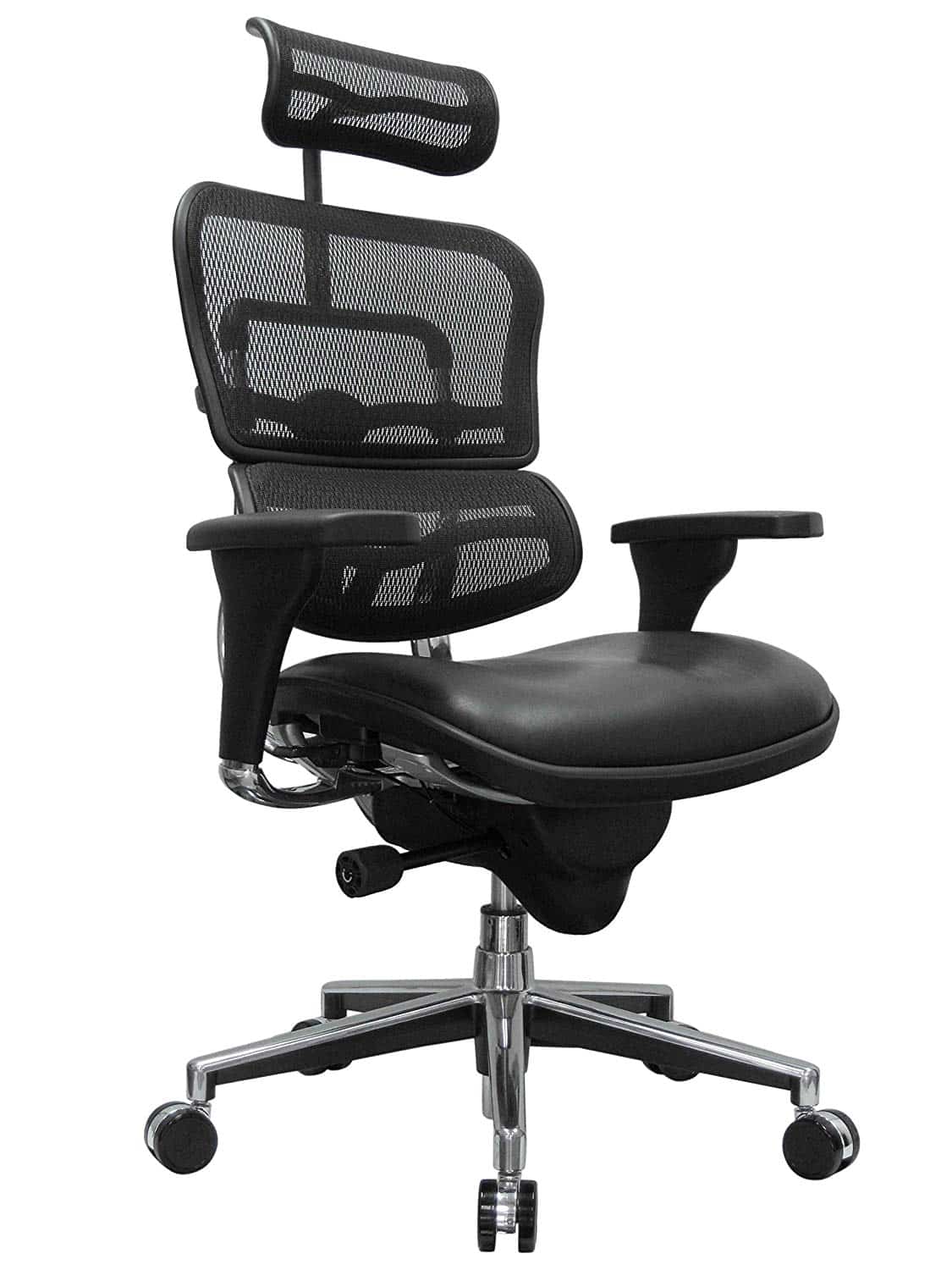
Ergohuman by Eurotech

Ergohuman by Eurotech

Seat height: 19.3 – 24in | Seat width: 20.5in | Max load: 250lbs | Lumbar support: yes | Height adjustable: yes | Tilt lock: yes

Let’s be honest for a moment. Why do we love desk chairs? Because we can recline in them and look cool doing it right? If you really want to recline in your office chair, you need to make sure it has a headrest in order to protect your neck from stress associated with reclining. Thankfully the Ergohuman from Eurotech has without hurting the comfort that it provides you when you sitting in the chair. One tip though,  make sure to get the mesh fabric for the Ergohuman so the chair stays cooler than the other model that comes in a faux leather will.

Learn More

$700


The Best Office Chair for Designers

There are many different options out there when you decide that it’s time for a new desk chair. By knowing what to look for and knowing your budget, finding a high-quality, high-value chair is easy.

With our list, we wanted to highlight some of our favorites. Here they are summarized again:

  1. Aeron by Herman Miller $1275 (Jacob’s Recommendation)
  2. Cosm by Herman Miller $1040
  3. Diffrient Smart office chair by Humanscale $850
  4. Capisco Puls 8010 by HAG $549
  5. Elusion by Alera $177
  6. Sayl by Herman Miller $510
  7. Office Essentials Mesh Back Swivel Chair by Amazon $55
  8. High Back Mesh Chair by Flash Furniture $120
  9. Leap by Steelcase $880
  10. Ergohuman by Raynor $700


What is your favorite chair? Is it on our list? Let us know in the comments below!

This article was contributed by Bryan Downey. 

10 Best Microphones for Podcasting in 2019

According to information released by Apple at the WWDC in June 2018, there are more than 550,000 podcasts out there for people to listen to and it continues to grow.

The growth of podcasts has given anybody a medium to tell their stories, build a community and connect with other people with similar interests in ways that traditional radio never could.

If you have an interest in starting a podcast or even a YouTube channel, you are obviously going to need some equipment to get started. The first major piece of hardware is going to be a microphone, without one of these, your podcast is going nowhere fast.

To help get you started, we wanted to look at some of the podcast microphones available today and highlight the ones that we thought offered the best value and the best quality for the price. First, though, we’re going to start with what you should consider first before buying anything.

If you’re ready, hit that record button and let’s get started.

Related Posts:

What to Consider Before Buying a Podcast Microphone

Directional Capability

The directional capability of a microphone explains how the microphone can pick up sounds from any direction. In other words, it means that they can pick up any unwanted sounds that you might not want to show up on your podcast. Now while there are some that can pick up sounds from any direction, there are others that will only pick up sounds from certain directions. Let’s look at the differences.

  • Omni-directional -The Omni part of omnidirectional refers to the fact that these types of microphones can pick up sound from virtually any direction and can easily pick up unwanted noises. These types of microphones are best for reporting or broadcasting and not for a podcast.
  • Bi-directional– Bi-directional podcast mics are those that can pick up sounds from different sides. These types of microphones can be very popular with podcasts, especially those doing interviews but not especially popular with those doing amateur music recording. These types of microphones can cost hundreds of dollars but remain one of the most expensive microphones out there today.
  • Cardioids – Cardioid microphones are heart-shaped and only pick up sounds from the front direction and can also capture some sounds from the sides. These types of podcast microphones continue to be one of the most popular types for recording music. This type of podcast microphone is a Condenser-USB type of podcast mic.
  • Shotgun – A unique microphone because these types of mics feature a cardioid polar pattern that is highly directional and can yield great attenuation at the sides of the mic while maximizing the sounds that are captured at the front. Many videographers will use these types of microphones and mount them on to a DSLR. A shotgun mic comes with the best ratio for signal-to-noise as well as producing the most accurate sound that is captured by the front of the mic.

Microphone impedance

Referring to the receptiveness ability of the microphone, especially when it comes to a sound signal or AC current. This is measured in Ohms and a podcast microphone with an impedance rating of 600 Ohms or lower is what you want to look for. These will have better audio retaining capabilities. You want to make sure you pay attention to this rating because a higher rating could indicate that the other components in the microphone may be of lesser quality.

Frequency response

Many manufacturers of podcast mics will clearly label on the packaging the frequency response of their products. The frequency response Is the range of frequencies at which the mic can detect and pick up audio sounds. Knowing what frequency response pales in comparison to knowing the specific frequencies at which your mic will capture sounds. Because of this, when you buy a microphone, consider what you are recording. You should choose a mic with a mid or high-frequency response if you are recording vocals and guitars but choose a low-frequency option if you are recording for bass.

Durability

With just about any product that you purchase regardless if it’s for your business or your home, you want the product to be durable and last for a good amount of time. Condenser-USB mics tend to be complexly designed and any shocks or drops might damage the mic. If you’re prone to dropping or abusing mics, you may want to choose a Dynamic podcast microphone as they tend to be more durable.

Price

With podcast microphones, dynamic mics provide great value and have sturdy construction and can last for several years. The only downside is that once they have been damaged, it can be hard to get replacement parts. Conversely, USB-Condenser microphones can be fragile and get damaged easily, but some shops may carry parts for them, keeping you from having to replace it.

Types of Podcast Microphone

When you go shopping for a podcast mic, there can be a couple of options for you to choose from and unless you know what each is and how to use them, it can get confusing. We wanted to highlight theses quickly to give you the information you need.

USB – A USB microphone works no differently than any other USB-enabled device that you plug into your computer or laptop. Once you take it out of the box and plug it in, with a recording software such as Audition or Audacity, you can get started right away.

XLR – These types of microphones use an XLR cable to plug into an audio interface, which is a hub that allows you to plug XLR cables into it and then the interface hooks up to your computer via USB. For someone who might just be starting out, you may want to keep things more simple with a USB mic. However, those looking for superior sound quality may want to invest in this type.

Best Podcast Mics for Starting a Podcast or YouTube Channel in 2019

The best podcast microphone is a combination of value, performance, and ease of use.

For our list of the Best Podcast Mics for Starting a Podcast in 2019, we wanted to shine a spotlight on those that had a combination of all three that you can use to start your podcast right away. There is a microphone for any budget, ranging from $270 to under $50!


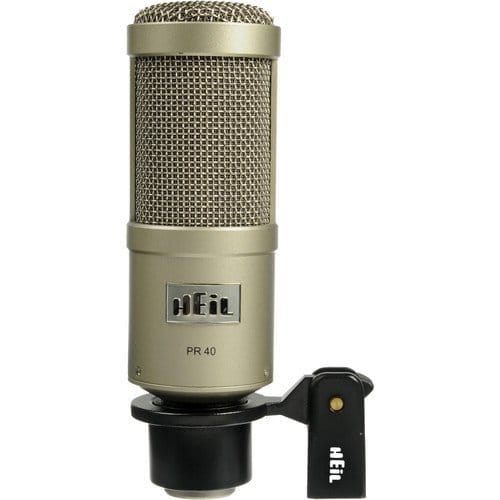
PR-40 Dynamic Studio Recording Microphone by Heil

PR-40 Dynamic Studio Recording Microphone by Heil

If you were to ask many of the more popular podcasters out there, many of them would tout the PR-40 by Heil as their go-to podcast recording microphone. Many of these people hype up the sound quality that this mic can deliver, and while the quality is good, it seems that popularity has overhyped this mic. A dynamic microphone, it is a great fit if you are recording in a non-professional environment and is certainly worth a try but if you’re just starting out, can be expensive. If you can afford it, give it a go and decide if it’s right for you.

Learn More

$270


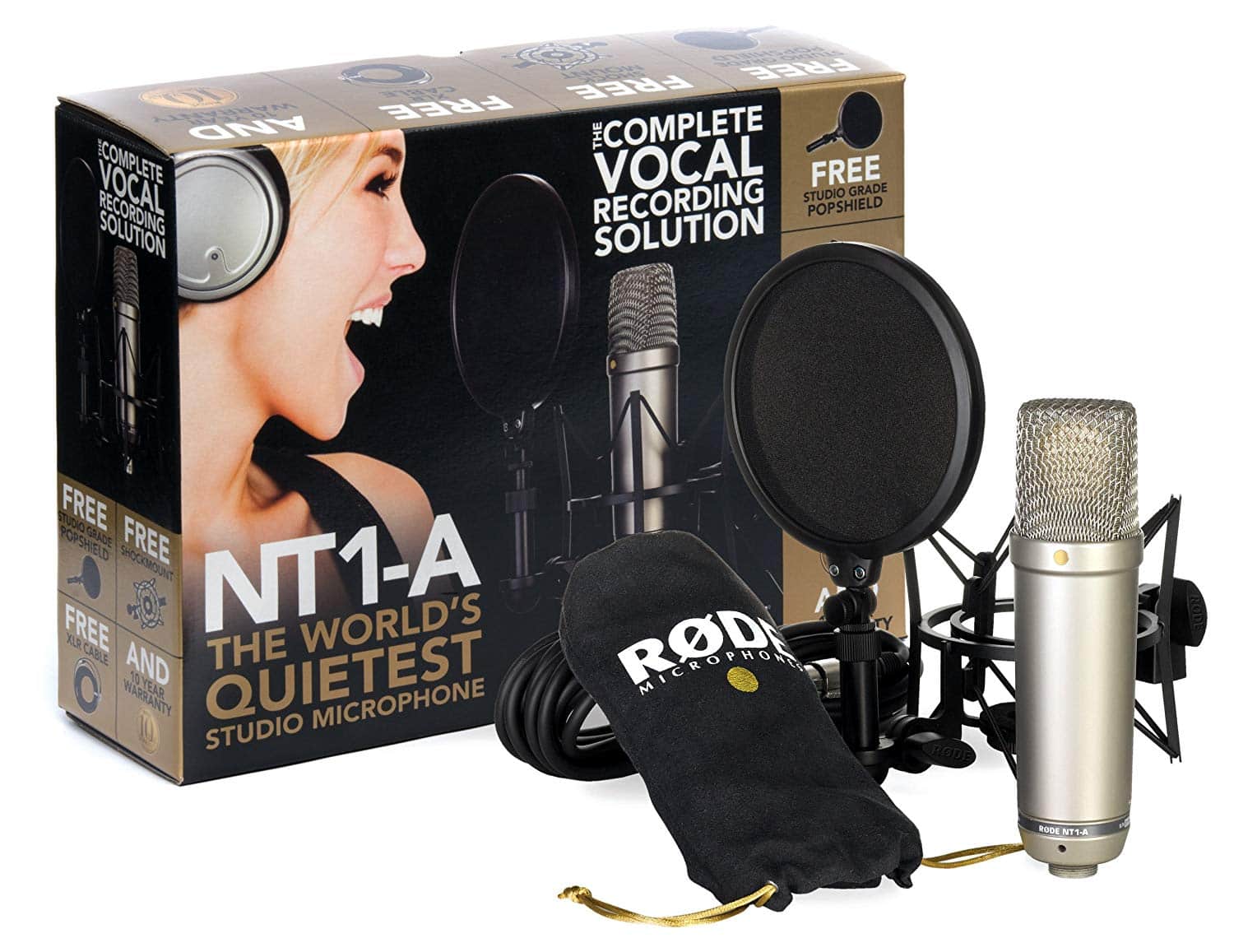
NT1-A Condenser Microphone by Rode

Rode NT1-A

An XLR microphone, the NT1-A from Rode has super-low noise and rich sound.  Featuring a large 1” capsule with a gold-plated diaphragm, wide dynamic range, and cardioid polar pattern, the quality shines through. When compared to some of the other professional level podcast mics out there, the reasonably-priced NT1-A is a good choice for those who may have been running a podcast as an amateur but are now looking to go pro. With this mic and a mixer/interface to plug it into, you could be sounding like a pro in no time.

Learn More

$220


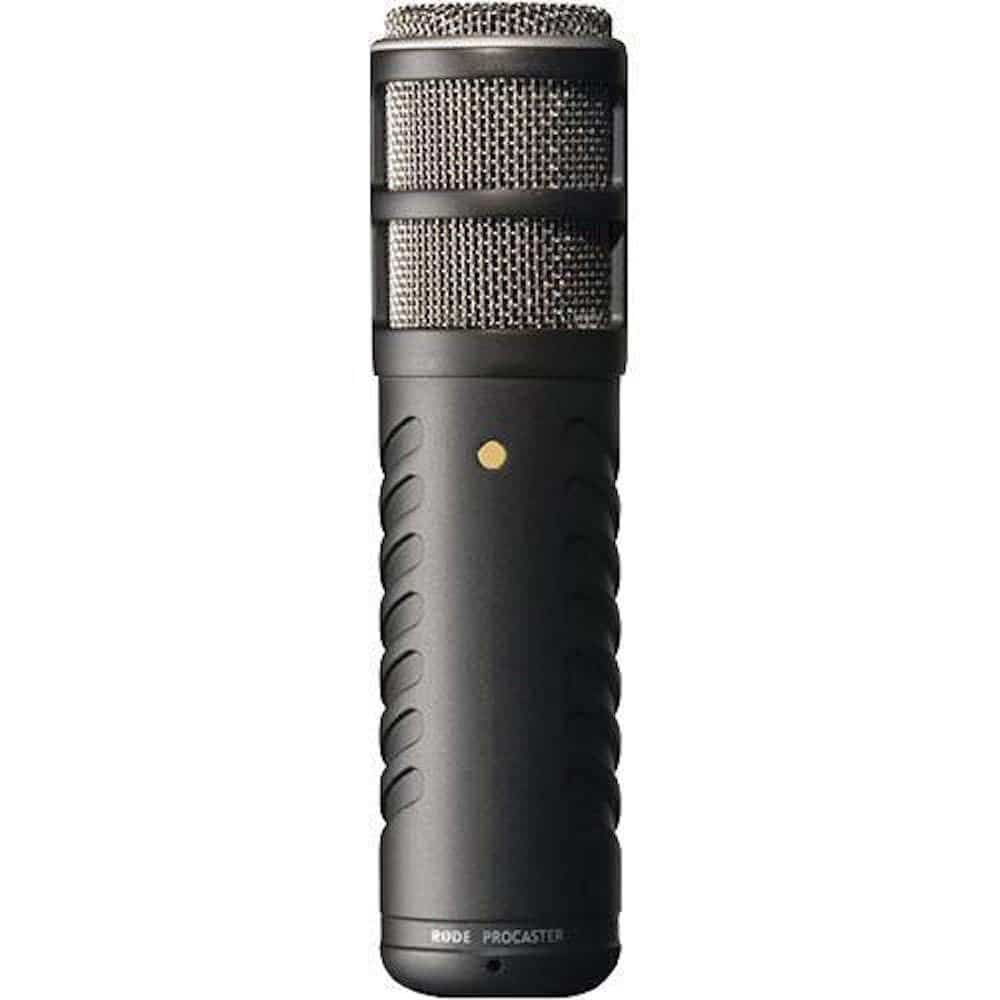
PROcaster Broadcast Dynamic Vocal Microphone by Rode

Rode PROcaster

With its robust, all-metal construction, the PROcaster microphone by Rode has the features that any podcaster could want including broadcast sound quality, a high output dynamic capsule, an internal shock mounting of the capsule for low handling noise and an internal pop-filter in order to reduce plosives. Designed and built for podcasting, the quality that the PROcaster offers can come at a price, but it is one of the best microphones available.

Learn More

$230


Yeti USB Microphone by Blue Microphones

Blue Yeti

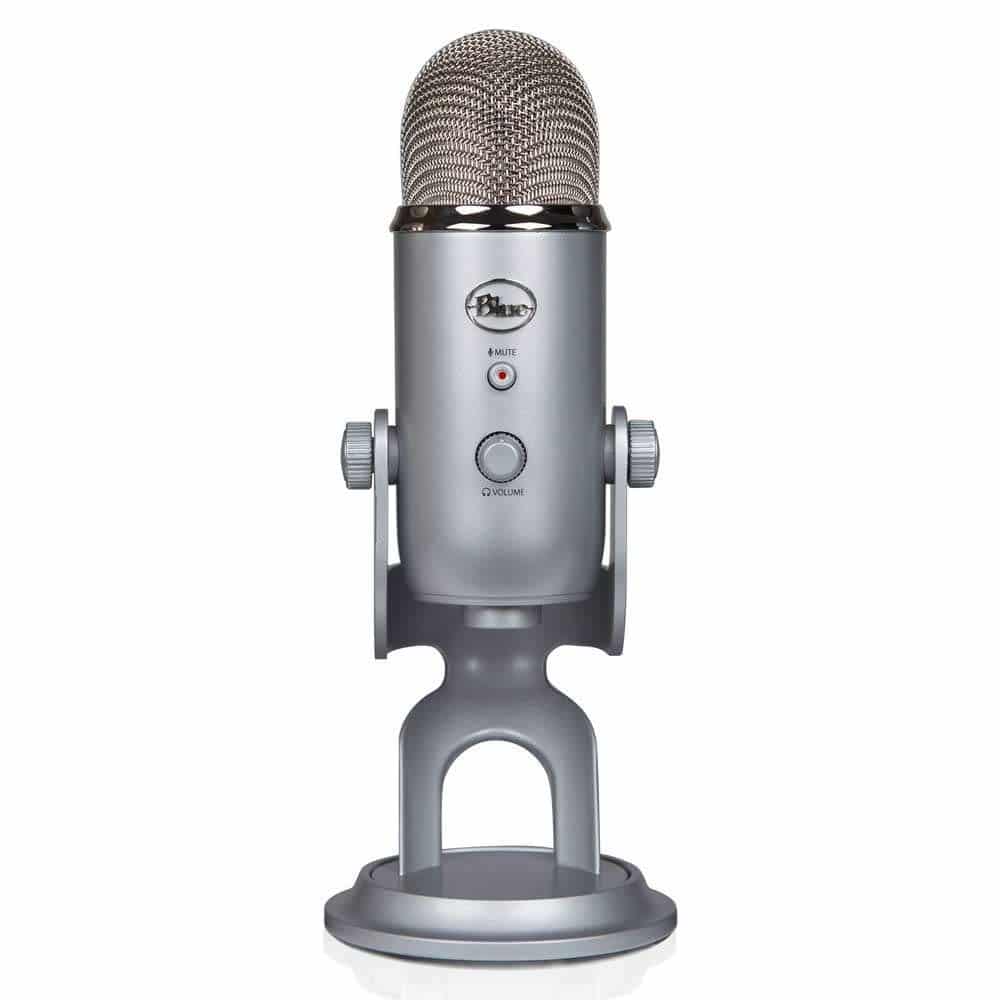
The Yeti Microphone is one of the most popular podcasting microphones available today. Whether you’ve been podcasting for a year or a week, the Yeti is one of the easiest out-of-the-box and press record options out there. Features that allow you to record in a variety of situations thanks to the three different condenser capsules in one, and the option to either use the microphone while plugged into your computer via USB or you can upgrade and use the XLR output for better sound quality. These features along with a reasonable price will make this a popular option for a long time to come.

Learn More

$97


HyperX Quadcast Microphone by HyperX

HyperX Quadcast Microphone by HyperX

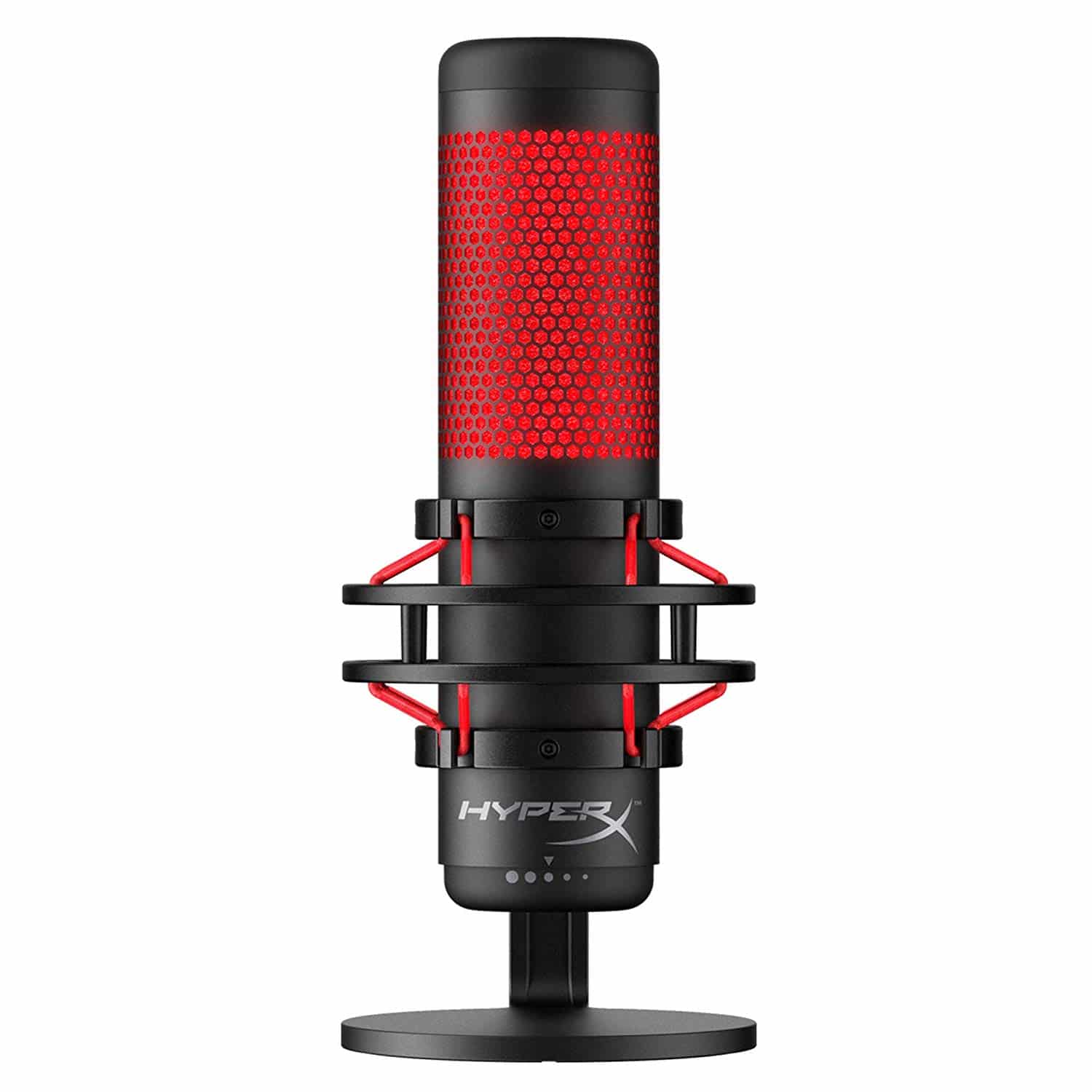
In podcasting, plosive sounds such as when you say words with p, pf and others can cause an issue with the audio, which why many podcasters will use a pop filter to reduce their effect. With the HyperX Quadcast Microphone by HyperX, there is no need for a pop filter as the mic has a form-like material behind the grill reduce the effects those plosive sounds cause. With a grill that lights up, you’ll always know when the mic is on and a touchpad at the top of the mic will mute it, which can be handy especially if you live with other people or want to say something “off-air”.

Learn More

$140


Go Portable Microphone by Samson

Go Portable Microphone by Samson

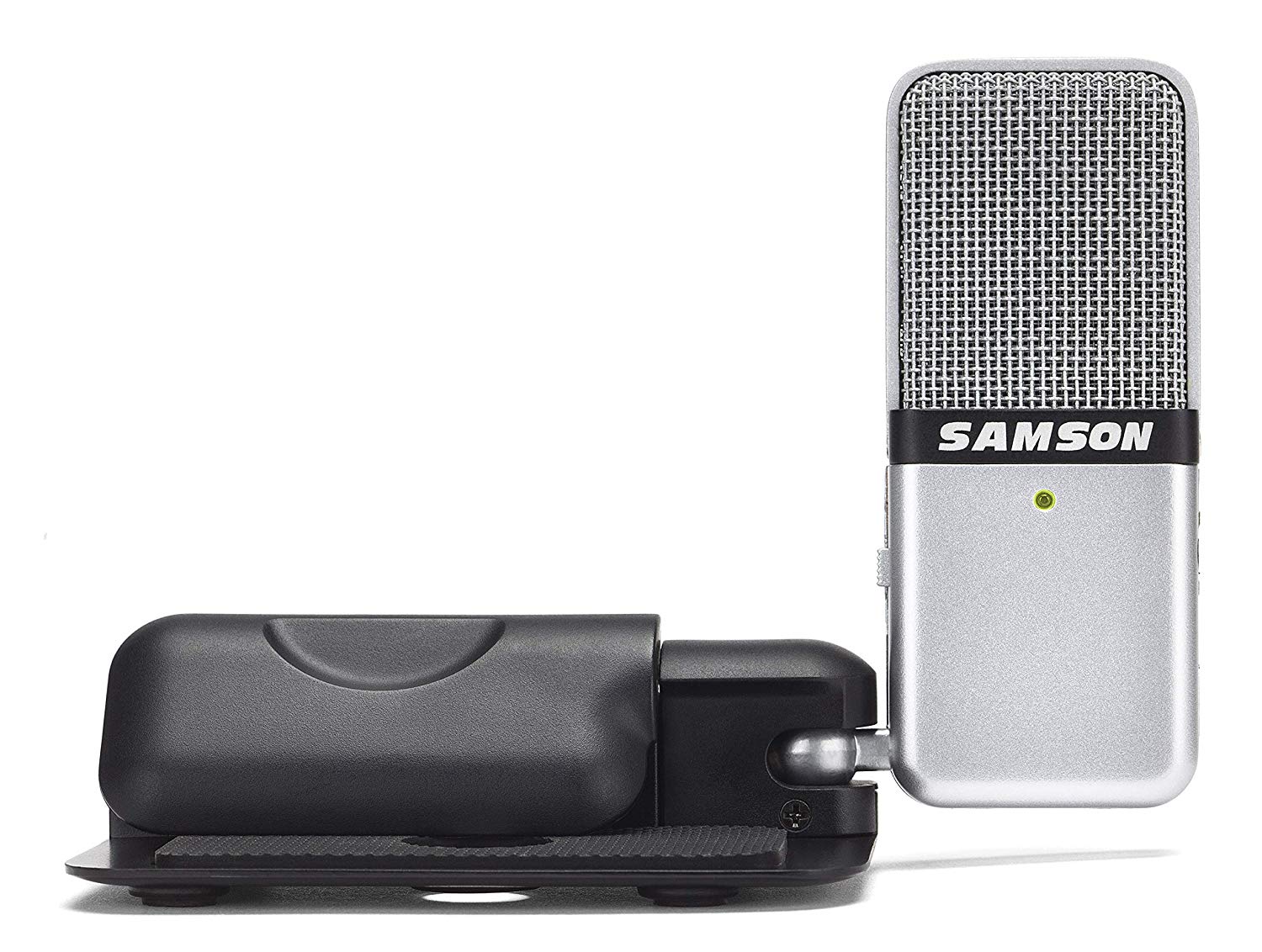
Depending on the type of podcast you’re doing, you may not always be able to sit in your home studio and record an episode or invite a guest over. You might have to interview them when at their office or in public. In these cases, microphones like the Go Portable Microphone by Samson are perfect to add to your bag on your way out the door. With a cardioid polar pattern for the up close recording of interviews and an omnidirectional polar pattern for recording in a large area such as a keynote speaker. The compact, handheld little device is relatively inexpensive that should be in every podcaster’s arsenal.

Learn More

$37


Razer Seiren Elite by Razer

Razer Seiren Elite by Razer

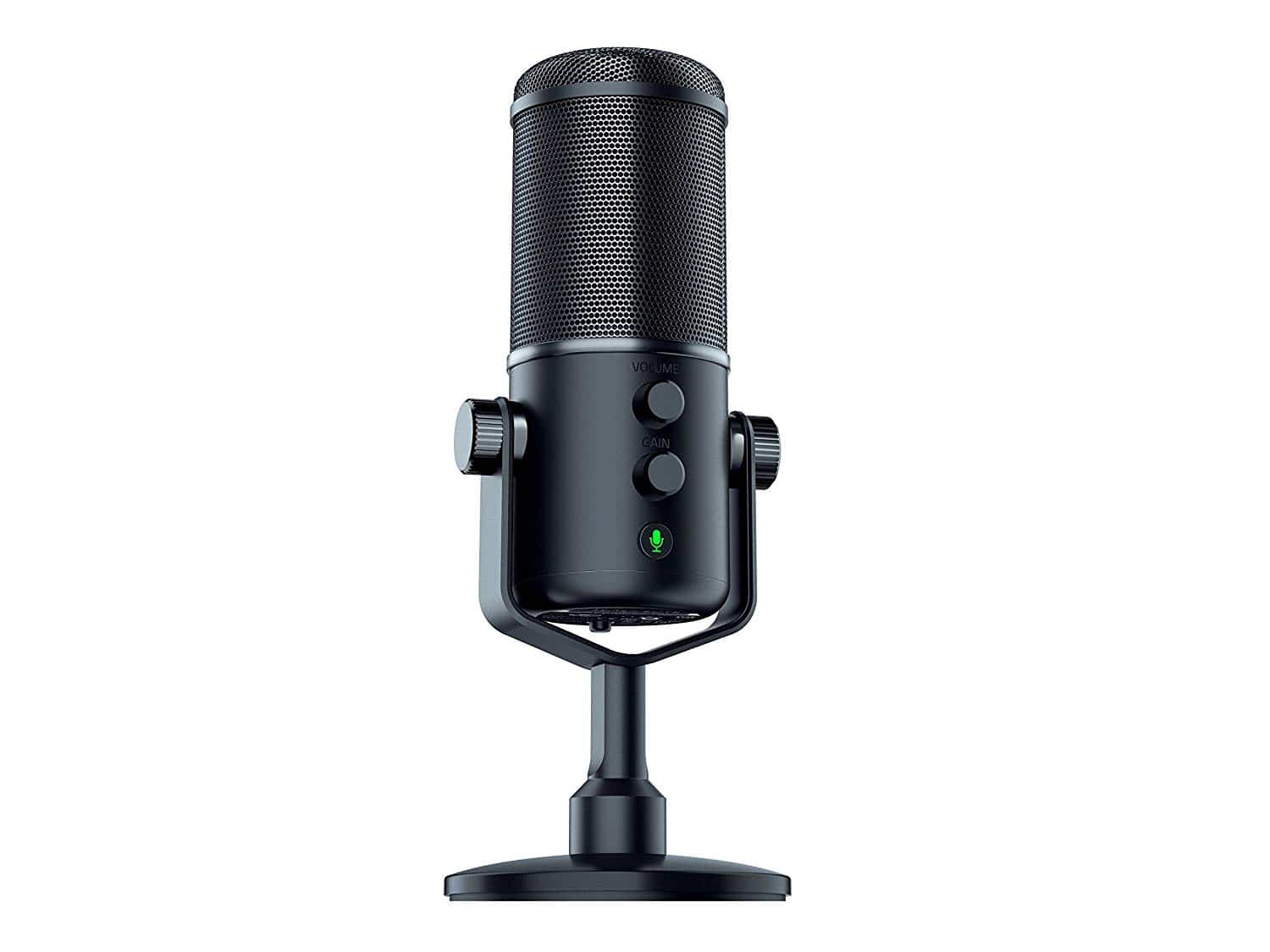
Razer, a company that is better known as a manufacturer of PC mice and keyboards for gamers, takes a step further into their product offerings with the Seiren Elite, a quality microphone for podcasters. With a cardioid pattern, this dynamic mic has a frequency range of 50 to 20kHz and a high pass filter to make the sound quality much better than their previous entry. With an onboard gain and volume control, as well as a mute button, the Seiren Elite is a streaming mic that podcasters should start taking notice of.

Learn More

$180


ATR2100-USB Cardioid Dynamics USB/XLR by Audio-Technica

ATR2100-USB

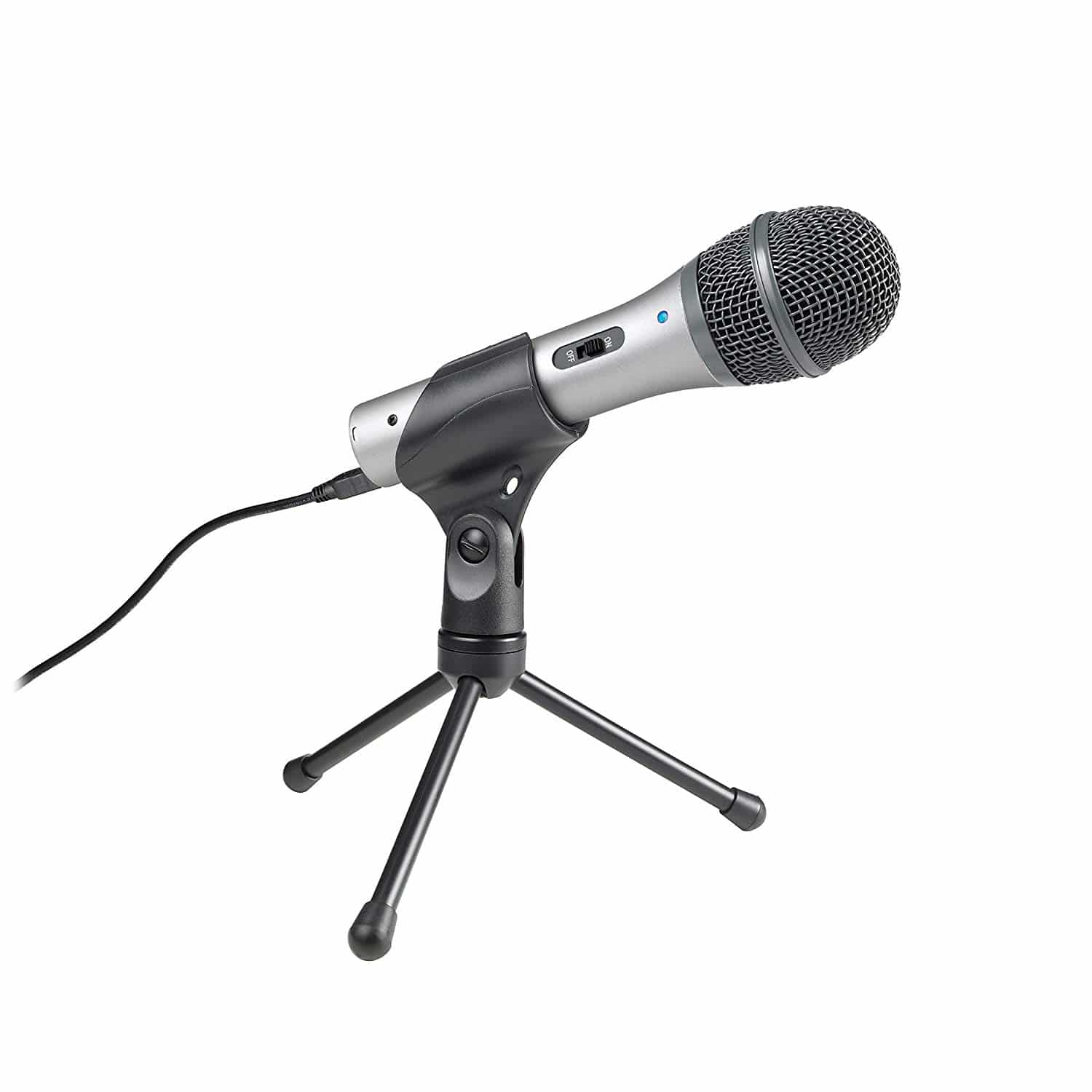
The heart-shaped (cardioid) polar range helps this handheld microphone eliminate any unwanted noises in the background from behind you and from the sides that may ruin your recording. The ATR2100 is an affordable podcasting microphone for those just getting started and comes with a built-in headphone jack so you can listen back to the output from the mic without any delays. While the polar range will give you the clarity you may be searching for, because it’s a dynamic mic, the warmth will not be there.

Learn More

$63


Snowball iCE Condenser Microphone by Blue Microphones

Snowball IiCE Condenser Microphone by Blue Microphones

For many podcasters, having a mic not only lets them record a podcast episode but also allows them to conduct interviews through real-time chatting services like Skype and Google Hangouts with crystal clear audio. The Snowball iCE Condenser Microphone by Blue Microphones has a custom condenser that helps that audio sound as good as possible. A USB mic, you can easily plug it in and start recording. The best part is that this quality podcast microphone won’t break your budget, making it a great first or even back up option.

Learn More

$30


AT2020 by Audio Technica

AT2020 by Audio Technica

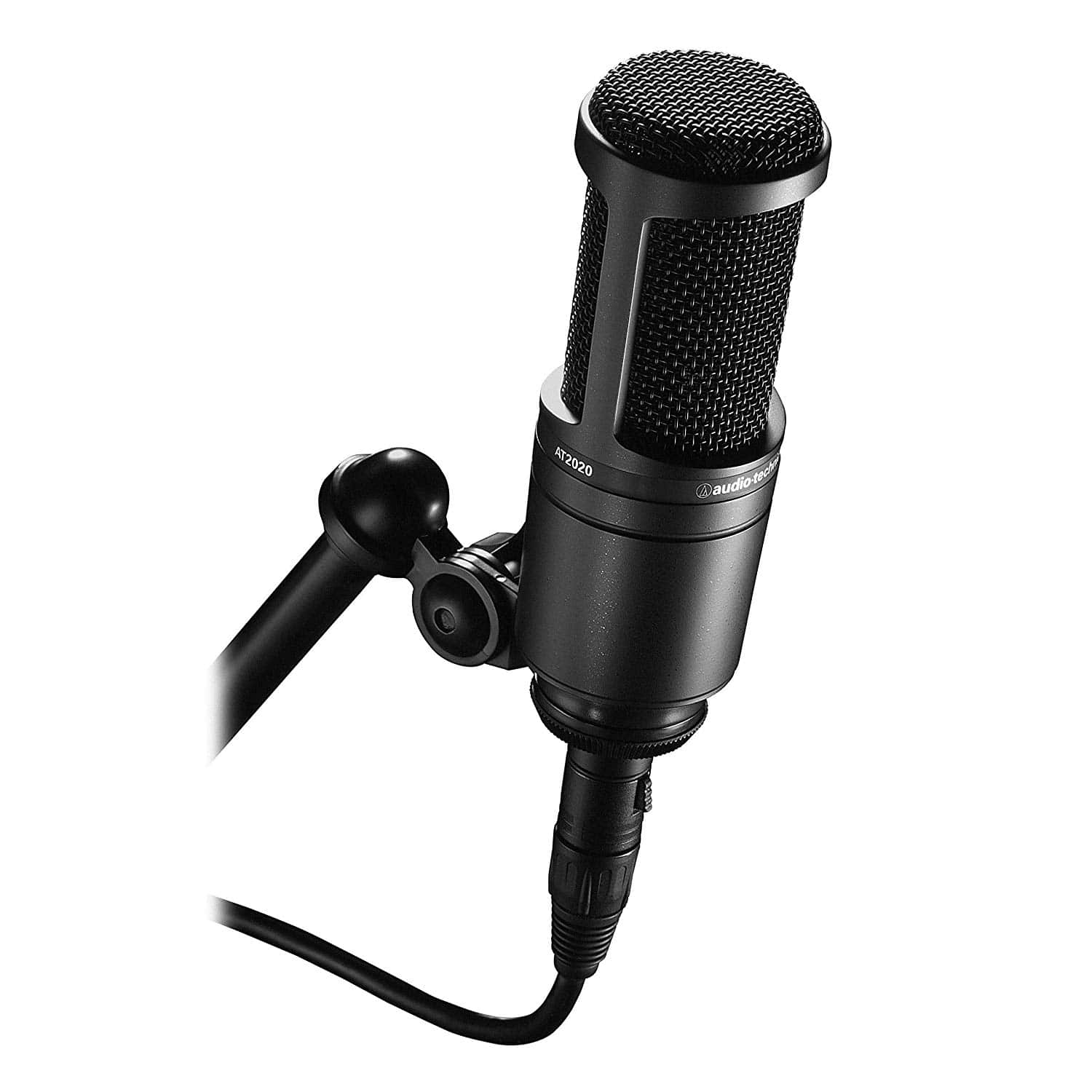
Favored by many podcasters out there, the AT2020 by Audio Technica is a perfect podcasting microphone if you are recording from your home studio as it has high SPL handling and unmatched versatility with its wide dynamic range. It isolates background noise from the desired source with its cardioid polar pattern, reducing noise from the sides and the rear of the mic. A custom engineered low-mass diaphragm also helps to provide an extended frequency response as well as superior transient response making it no wonder why it is favored so much.

Learn More

$130


Best Mic for Starting a Podcast or YouTube channel 2019

When you decide to start a podcast, it can be a bit daunting when you first look around at the equipment that is available. Luckily, we wanted to help you out and provide you with a list of our choices of podcast mics you should consider.

There are a lot of options out there that we didn’t cover.

Here they are summarised again:


Do you have a podcast? What mic do you use with your podcast? Let us know in the comments below!