Sunday, 5 August 2018

10 Best Podcasts for Designers, Creatives & Freelancers

This article was contributed by Kayleigh Alexandra.

Podcasts are a great way to develop yourself, your skillset, and your career. Simply download, plug in your earphones, and you can tap into a huge network of knowledgeable experts and individuals from around the world.

Being a freelancer can be a lonely career path, and you can easily feel overwhelmed with the pressure. But don’t suffer in silence. The podcasts below can help guide you on the freelancer path by learning from those who have been in your shoes before.

Whether it’s money, design, or mindset you’re struggling with — these awesome podcasts are free to download and will set you right.

Design

Logo Geek Podcast
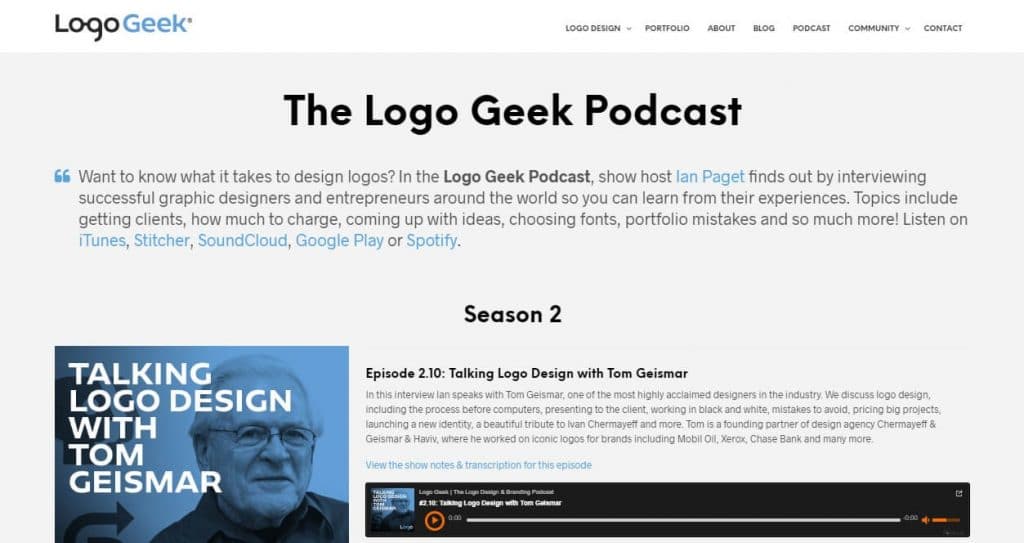
the logo geek podcast

Is there anything better than a cool logo? McDonald’s Golden Arches, the Nike Tick, Apple’s apple: creating a logo with that perfect balance between iconic and simple can be tough, but with the Logo Geek podcast it’s within your grasp! Let host Ian Paget guide you through everything you need to know about great logo design.

And it’s not all aesthetics either. Ian interviews a huge range of successful graphic designers (including JUST Creative’s own Jacob Cass) and business owners to learn about a diverse array of topics. With episodes covering things such as sourcing clients, personal branding, design ideation, hand letting, and so much more, there’s enough here for any budding or experienced designer.

Ukramedia Podcast
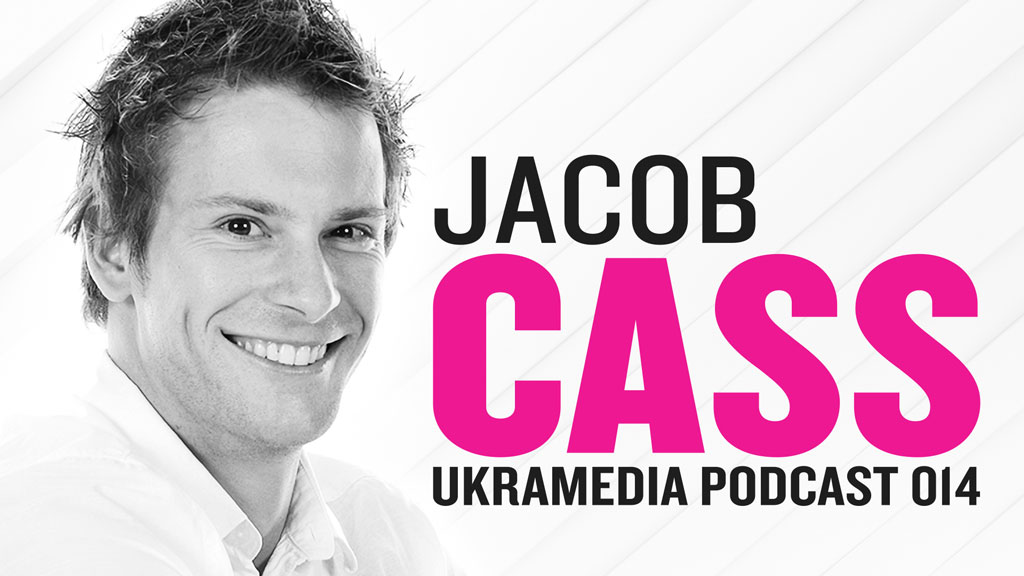
Jacob Cass Podcast

Run by brothers Sergei and Vladimir Prokhnevskiy, the UkraMedia podcast doesn’t just cover useful design topics such as industry advice and marketing. It also follows their own stories in the industry, such as how Sergei walked away from a dream job with FOX Sports to focus on his own dream: being a freelancer. Along the way, the brothers deliver plenty of useful advice and lessons they’ve learned on their journeys. Their personal knowledge is well complemented by in-depth interviews with heavy hitters in the design industry, making this a podcast well worth bingeing. See Jacob’s podcast: Design, Freelance & Travel.

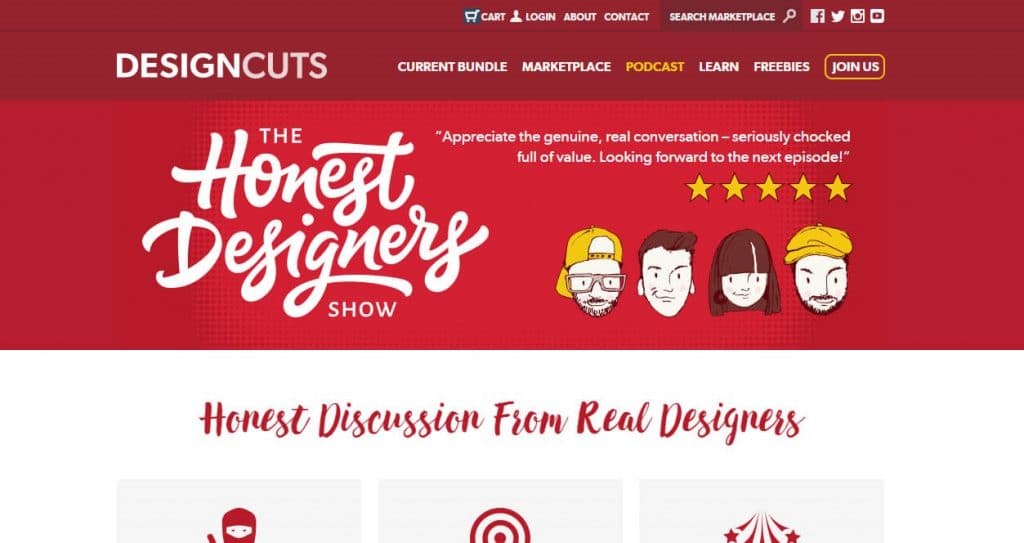
The Honest Designers Show
honest designers show podcast

Like all the best big ideas, the Honest Designers Show was born out of a conversation between friends. Sharing their journeys through the industry in weekly calls eventually turned into a regular podcast in which they talk honestly and openly about problems and issues that you might face. Episode topics include, amongst plenty of others: developing a personal design style, dealing with burnout, and building a fanbase, to name but a few. There’s also a healthy smattering of insightful interviews with VIPs in the design industry.

The great thing about the Honest Designers Show is that, as the name suggests, these guys are 100% totally honest about the industry. They don’t glamorize or sugarcoat it — this is a warts-and-all look at some of the trickier sides of graphic design. The ugly side of plagiarism or difficult client relationships are just some of the more delicate aspects that our hosts dive into — and they do it well. Subscribe today to get your dose of honest design knowledge.

MORE Great Design Podcasts:

Tons of web and graphic design podcasts, both practical and creative. Also see Jacob’s 2012 interview on the logo design process.

One of the original design podcasters. She interviews her design heroes.

This podcast by Prescott Perez-Fox has 100 episodes of inspiring content, but is not active any longer.

One of the most popular design podcasts with a wide range of topics.

With the mantra of ‘helps you achieve success’, you can’t go wrong. Topics are broad, but mainly focus on branding, business, UX and design.

Have a favourite design podcast? Let me know and I’ll add it here.

Money

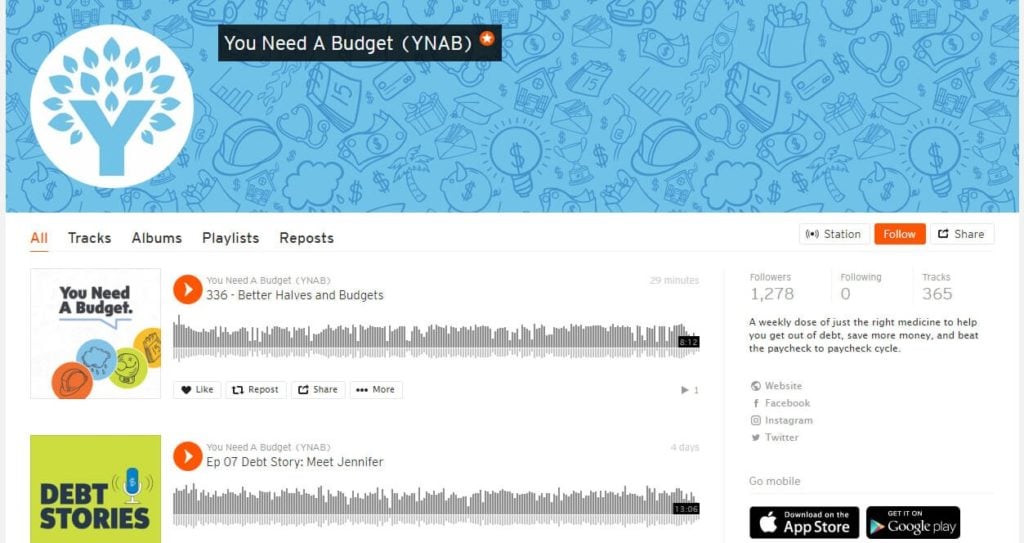
You Need A Budget
you need a budget podcast

Money is one of the last remaining taboos. A lot of us, particularly freelancers, don’t like to talk about it. It’s an important aspect of all of our lives, and it can be a daunting subject to tackle. Between bookkeeping, chasing payments, and personal finance, it is often tempting to just bury your head in the sand until it becomes unavoidable.

Or you could subscribe to You Need A Budget, a weekly podcast spanning everything you need to know about running and managing your personal finances. Budgets, debt, expenses, and more are all covered in this series. Brought to you by the eponymous personal accounting app, these guys know their field, and deliver their lessons in a style that even the most inept of bookkeepers can learn from.

Creativity

Ram Castillo Giant Thinkers
giant thinkers podcast

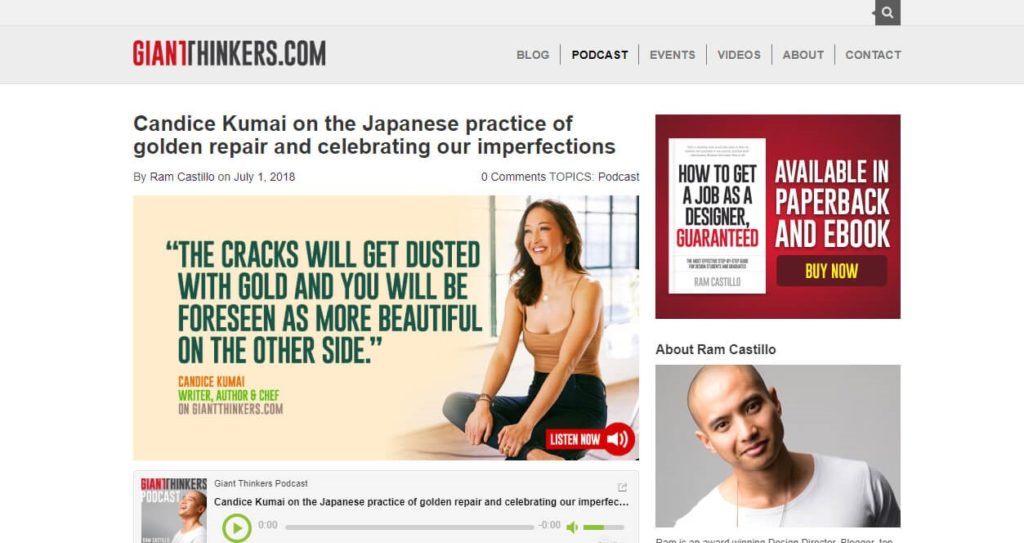
Blending design insight and personal development, Ram Castillo’s Giant Thinkers podcast is your one-stop shop for becoming a better designer. Your host is an award-winning designer, blogger, author, and speaker, making him better placed than most when it comes to talking about this kind of thing.

The mission of Giant Thinkers is to help budding design students and graduates break into the industry, with useful advice and intelligent interviews with those who have been there, done that, and designed their own t-shirts. Notable episodes include a talk with author and chef Candice Kumai on the art of golden repair, plus an appearance from entrepreneur Ryan Carson on how to turn products into a reality. If you’re a designer looking to make waves in the industry, Giant Thinkers is the podcast for you.

Solopreneur struggles

Foundr Podcast
Foundr podcast

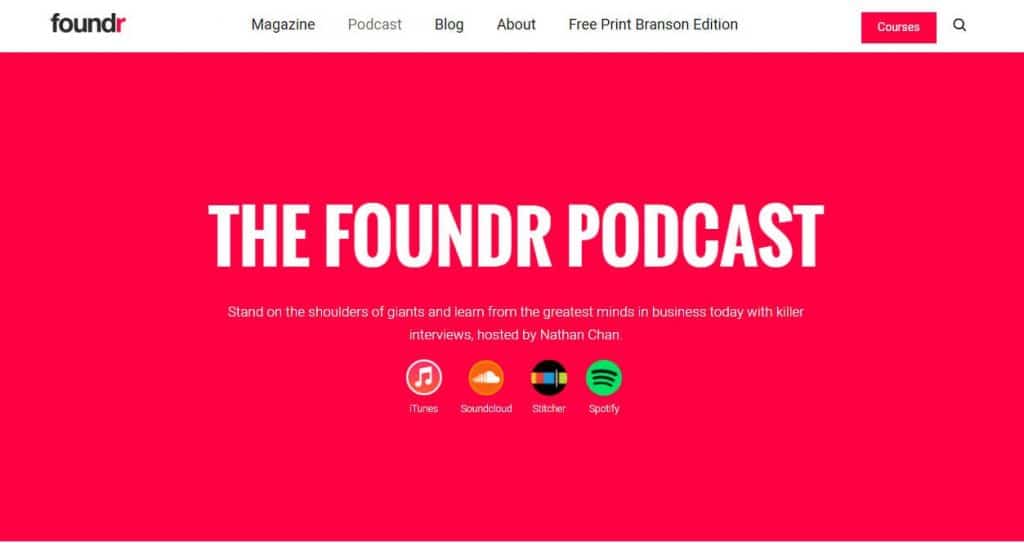
Nathan Chan is no novice to the world of startups and business. Having taken the well-trodden startup path himself, he knows exactly what solopreneurs like yourself need to know, and boy, does he deliver.

Taking the immortal words of Isaac Newton as their tagline, Nathan invites you to stand on the shoulders of giants with the Foundr podcast. Each weekly installment features an interview with some of the sharpest minds in business, from Couchsurfing.com’s Casey Fenton to EliteDaily.com’s Gerard Adams. As well as insightful interviews with some of business’s MVPs, Nathan also dives into a dizzying variety of topics. From using Instagram to generate big bucks to tips on how to survive entrepreneurial failure, the Foundr podcast is a survival kit for freelancers everywhere.

Nathan’s interviews are smart and incisive, and you come away from each episode feeling smarter — and more motivated — than before. Subscribe today, and you won’t look back.

Clients From Hell
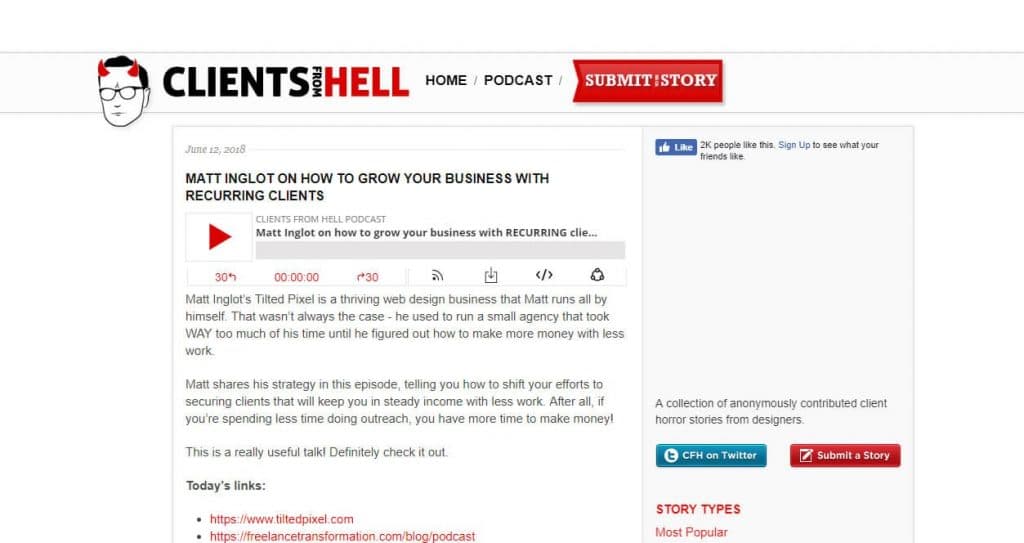
clients from hell podcast

One of the hardest things about freelancing is dealing with your clients. As part of a firm or agency, you have the rest of your team to fall back on for support when there’s a particularly tricky client to deal with. Constantly changing design briefs, late payments, demanding or unrealistic targets: these are just some of the issues that you have to deal with, and as a freelancer you won’t have the support of an entire team. Where can you turn?

Enter Bryce Bladon’s Clients From Hell podcast. Bryce is an entrepreneur and writer, and in his ten-year career, he’s had more than his fair share of difficult clients. From sly jellyfish types who get under your skin to just your average simpleton who ignores your advice (despite requesting it in the first place), Bryce has seen them all. As a consequence, he also knows how to deal with them too.

Through guest interviews and personal anecdotes, Clients From Hell helps guide freelancers through the pitfalls of working with clients — and how to avoid them. Each episode is tagged according to the type of client from hell you might face: dunces, criminals, homophobes, and ingrates are just some of the clients from hell Bryce examines in his show. They’re short but snappy, and guaranteed to make you wince in recognition more than once.

Invisible Office Hours
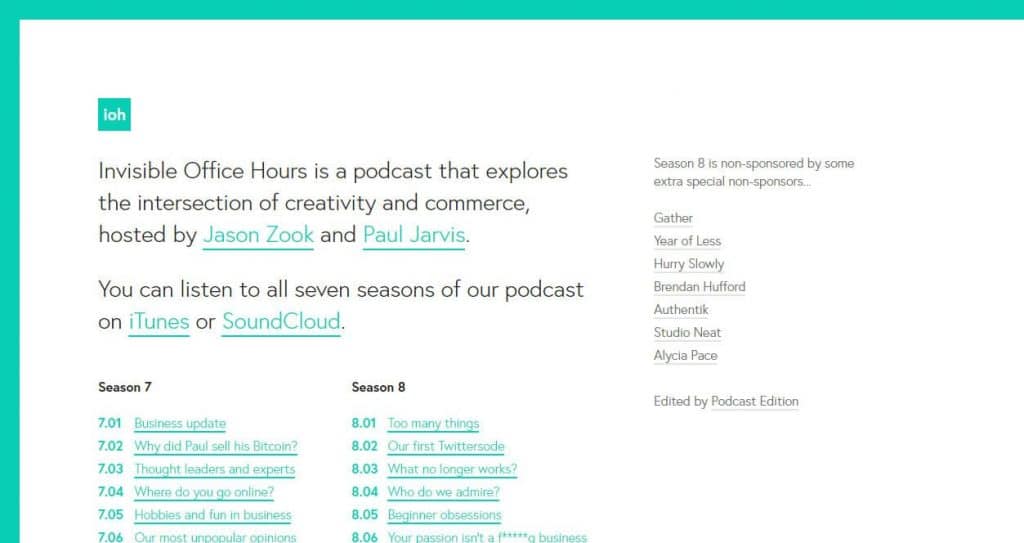
invisible office hours podcast

It’s a podcast Jim, but not as we know it.

Jason Zook is an entrepreneur who operates outside of the box. His past endeavours include IWearYourShirt, in which he got paid to wear a different branded t-shirt everyday for five years, and auctioning off his last name with BuyMyLastName. This unconventional trajectory through the world of commerce provided him with a unique insight into creativity and business. Along with entrepreneur co-host Paul Jarvis, Jason shares this knowledge, delivered in his own unique style, in the Invisible Office Hours podcast.

The duo take a sideways look at an array of subjects, including: thought leaders and experts (and whether they actually matter); the trials and tribulations of running a solo business; and how to juggle personal and client projects the right way. Along with useful nuggets of knowledge like these, the pair also share real-life stories of times that they dropped the ball, something every freelancer will have experienced at some point. A particularly good episode is when Paul explains why he sold all his Bitcoin. Funny and genuinely insightful, Invisible Office Hours is worth your time.

Mindset

Akimbo
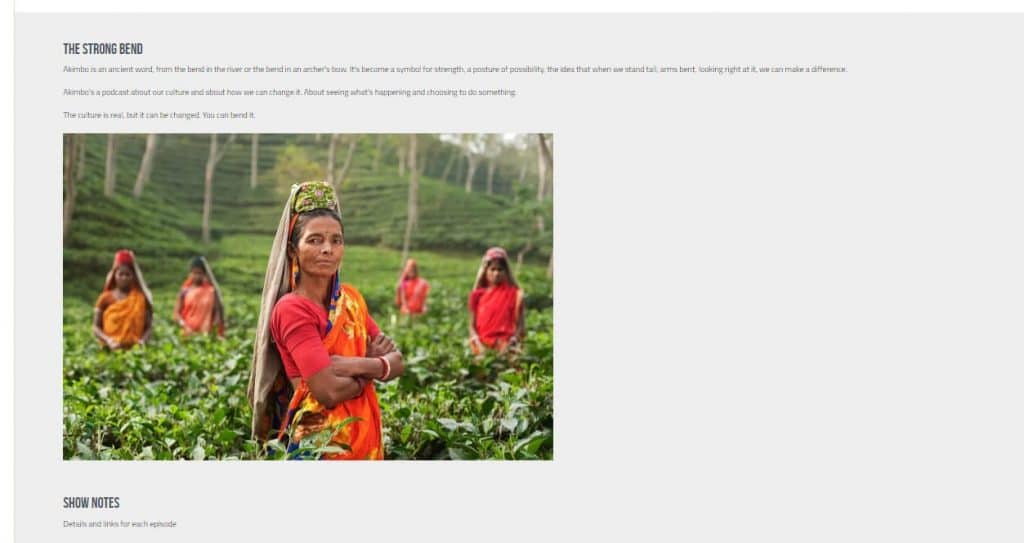
akimbo mindset podcast

Seth Godin’s Akimbo podcast takes its name from an ancient word meaning a bend in an archer’s bow or river. The word itself stands for strength and potential, and it is these two ideas that drives each episode of this deeply empowering podcast.

Seth investigates such elusive topics as status roles and why people desire them, as well as how writer’s block is actually a myth. He takes a somewhat philosophical approach to personal development, delving into areas as left field as game theory, pareidolia, and the Japanese concept of wabi-sabi. Using references including the work of Isaac Asimov and the music of Miles Davies, Seth guides his listeners through the world of business, freelancing, and personal development not through buzzwords and office jargon, but through pop culture and philosophy.

Hugely engaging and accessible to listeners of any calibre, Akimbo is a podcast every freelancer needs on a tough Monday morning.

Optimized Geek

optimized geek podcast

Finance, business, personal development, even biohacking: there are many strings to author and professional speaker Stephan Spencer’s bow, and in the Optimized Geek podcast he covers it all. As a freelancer, you’re under a lot of pressure to stay on top of your endeavours. And between juggling client briefs and your marketing efforts, fatigue can set in quickly. How can you stay on top of your game while keeping productive?

This podcast helps you unlock your body’s potential to restore you back to fighting fit. Stephen takes us on deep dives into business topics as diverse as productivity, lifestyle design and virtual assistants. But Optimized Geek also focuses on your personal wellbeing too, with episodes covering detoxes, sugar addiction, light therapy, and more.

Summary

At the end of the day, it’s easy to forget that you’re not just a freelancer, but you’re a human too. Look after yourself, and you’ll see the benefit in your work too.

As a freelancer, you’ve got a lot to contend with. Juggling client briefs and queries with personal budgeting and developing your designer skills can quickly get overwhelming. But you’re not alone. Learn from those who have been there before you with the podcasts above, and you’ll soon see yourself — and your business — flourish.

Kayleigh Alexandra is a content writer for Micro Startups — a community dedicated to supporting startups and solopreneurs. Visit the blog for the latest entrepreneurial news and side hustle tips. Follow us on Twitter @getmicrostarted.

Wednesday, 1 August 2018

Meet monday.com – an Incredible Team Collaboration & Project Management Tool

Hey guys, have you heard of monday.com? It’s not just an enviable domain… it’s the latest and greatest work collaboration tool!

It allows you to see what everyone on your team is working on in a single glance.

You can manage your projects with ease, plan visually on a timeline and centralize all your communication in one place.

It’s suitable for any sized team, from two freelancers working together to thousands collaborating across the globe and is really popular amongst non-tech teams, often replacing burdensome excel files, whiteboards, and excessively long meetings.

Check out their jazzy promo videos below or learn more on their website.

With some serious backing, monday.com, is fully customizable to suit any business vertical and currently has over 35,000 paying teams around the world, from over 140 countries.

Not only is their UI intuitive, it actually breaks down silos, improves communication and boosts productivity. So if you work in a team, I encourage you to check out on monday.com

This content is sponsored via Syndicate Ads.

Monday, 30 July 2018

The Beginner’s Web Design Checklist for Maximum Conversions

We live in a world where almost every web development task can be accomplished with the help of online tools.

There are pre-made themes that help get the barebones ready, form builders to enable user interactions, plugins for extra functionality, and more.

If your goal is to get a simple website up and running, you can say that it’s only a matter of putting together the right components. However, designing a website that’s built for conversions is an entirely different story.

How to Build a Profitable Web Site

In this post, we will cover some of the most crucial information that you need to build a profitable site. In summary:

  1. Conduct Keyword Research
  2. Develop Keyword-Oriented Content
  3. Utilize Visual Content
  4. Integrate Social Media
  5. Optimize Your Website’s Performance
  6. Improve Your Security
  7. Build Conversion-Oriented Landing Pages

Let’s begin.

1. Conduct Keyword Research

In online marketing, keyword research is paramount.

Regardless of the type of website you’re building, your strategy must be backed with a batch of well-targeted keywords. Doing so is essential if you want your content to attract and engage the right audience.

Digital marketing strategies such as SEO, PPC, and social media marketing also depend on keyword research for maximum returns. Otherwise, you might end up wasting thousands of dollars on campaigns that do get traffic but have negligible impact on your bottom line.

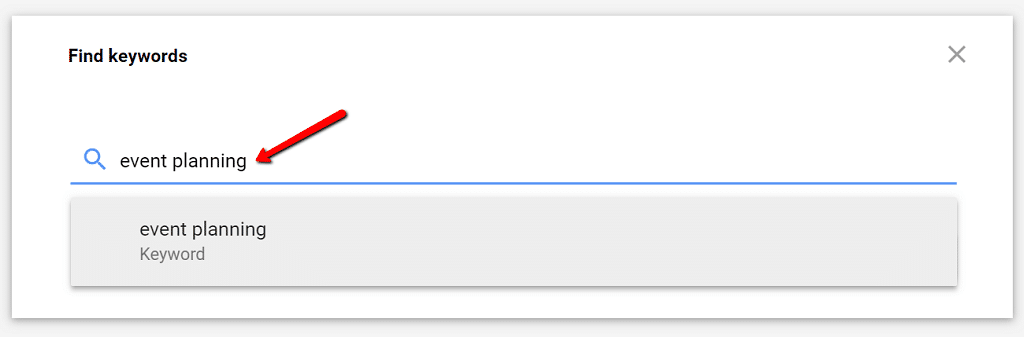
To conduct keyword research, you can start with a tool like the AdWords Keyword Planner. It works by generating hundreds of potential keyword ideas based on a search term, phrase, or URL that’s relevant in your niche.

For example, if you’re in the event planning business, you can initiate your keyword research with the term “event planning.”

Find Keywords

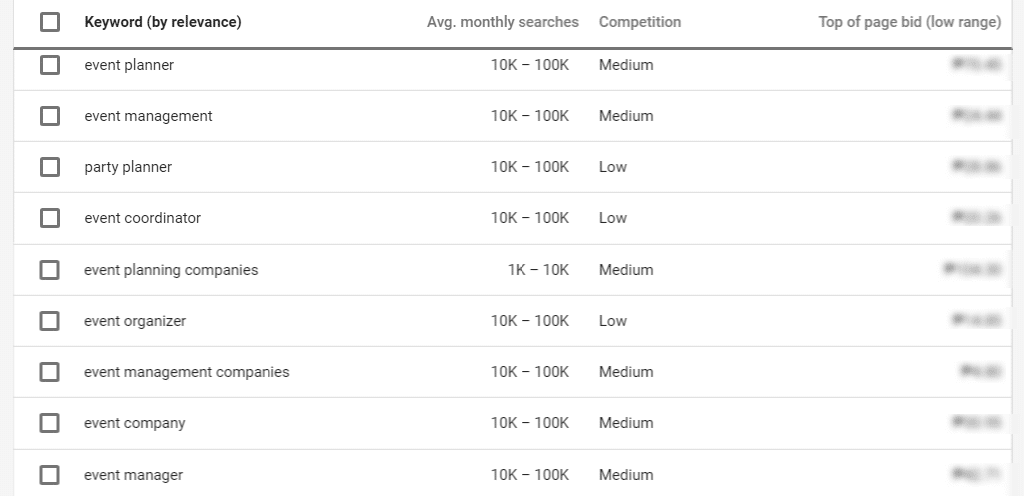
Keyword Planner will then proceed to list down all the relevant keywords that you can use. Important metrics, such as each keyword’s average monthly searches, competitiveness, and average cost per click.

Keyword Relevance

To help you spot lucrative keyword opportunities, here are some of the best tips you need to remember:

  • In order to maximize your ROI, stick to keywords within the low-medium competition range.
  • Use “Filters” to find keywords with commercial terms, such as “services,” “for sale,” and “hire.”
  • Look for keywords that contain 3 or more terms, also known as long-tail keywords, to target a narrower audience.

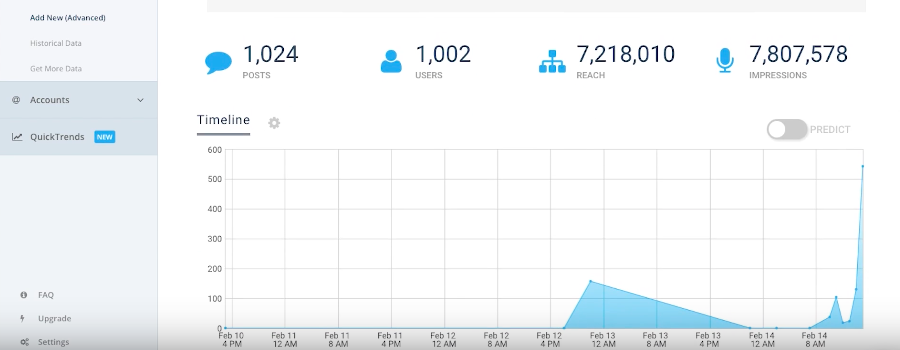
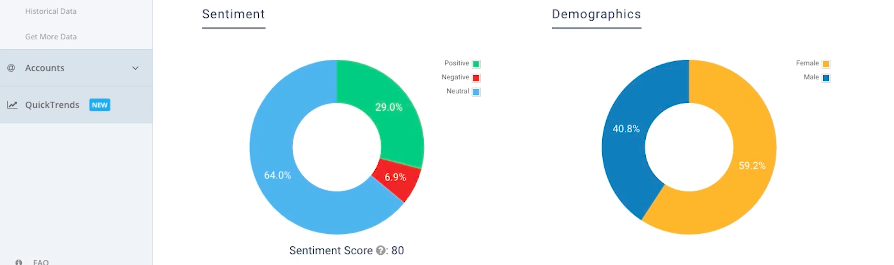
When doing keyword research for the social channels, you can use tools like Keyhole.co or ahrefs or Neil Patel’s new and free, UberSuggest. The platform allows you to track the performance of keywords, hashtags, mentions, accounts, and even URLs.

Here’s a glimpse of how the platform looks from the inside:

QuickTrends

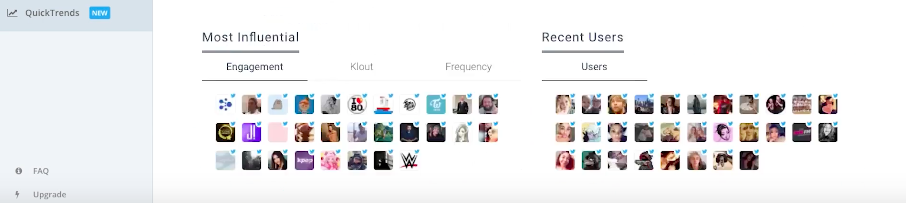
Most Influential

Demigraphics

(Image sources from Keyhole.co)

These are just some of the many pertinent data points you can view about the keywords, hashtags, and mentions (among other things).

With this amount of data, you can pretty much size up the value you can get from targeting certain keywords in the social media space.

2. Develop Keyword-Oriented Content

Keep in mind that quality content is the building block of a trustworthy online brand. Before you can convince your would-be visitors to convert, you must first establish your authority and credibility as an information source in your niche.

This can be done by publishing content that provides readers with information that’s well-written, actionable, and valuable. Apart from these qualities, your content must also be optimized for specific keywords that your target visitors are more likely to use.

A rule of thumb is to make sure your focus keywords are mentioned at least once in the following content elements:

  • Post Title
  • URL Slug
  • Main Headline
  • Header Tags
  • Main Body
  • Image Filename and Alt Text
  • Meta Description

Below is an infographic that outlines on-page SEO techniques and best practices when developing keyword-oriented content for your website:

One page SEO Infographic

(Image Source: Backlinko)

If you came up with a lot of long-tail keywords, you may notice that plenty of them don’t have as many monthly searches as broad terms. To compensate, feel free to target multiple keywords in one post — just be sure they fit the topic naturally and won’t disrupt the reading experience of your audience.

3. Utilize Visual Content

When it comes to audience engagement, written words can only get you so far. You also need to invest in visual content that will help capture the attention of your target audience, make data-driven points more digestible, and improve the shareability of your posts on social media.

Nowadays, a large number of brands simply use generic stock photos as featured images and call it a day. But if you really want your content to stand out, you need to put some effort into producing original visual assets for your website.

Other than real photographs of your company, you can also use a tool like Canva to quickly design custom images, such as infographics, blog post titles, social media posts, and presentation slides.

Blogging Books

In addition to the hundreds of ready-to-use templates, Canva also features a drag-and-drop interface that makes image creation almost second nature even to non-designers. Upon selecting the dimensions you want to use, you just need to piece together the right background, text, shapes, and other elements from the unified toolbar on the left side of the screen.

Social Media Graphic Maker

4. Integrate Social Media

Visual content and social media go together like peanut butter and jelly.

According to statistics, infographics are shared and liked 3 times more on social media than other content types. Facebook posts with images, on the other hand, garner 2.3 times more engagement.

To effectively leverage social media networks as content distribution channels, a prerequisite is to create a business account and participate in the community as any other user would. You can join groups, curate content from other publishers, leave comments, follow other users, and so on.

This, in turn, will allow you to win your target audience’s trust — making more likely to follow or connect with your brand as well as click on the posts you share.

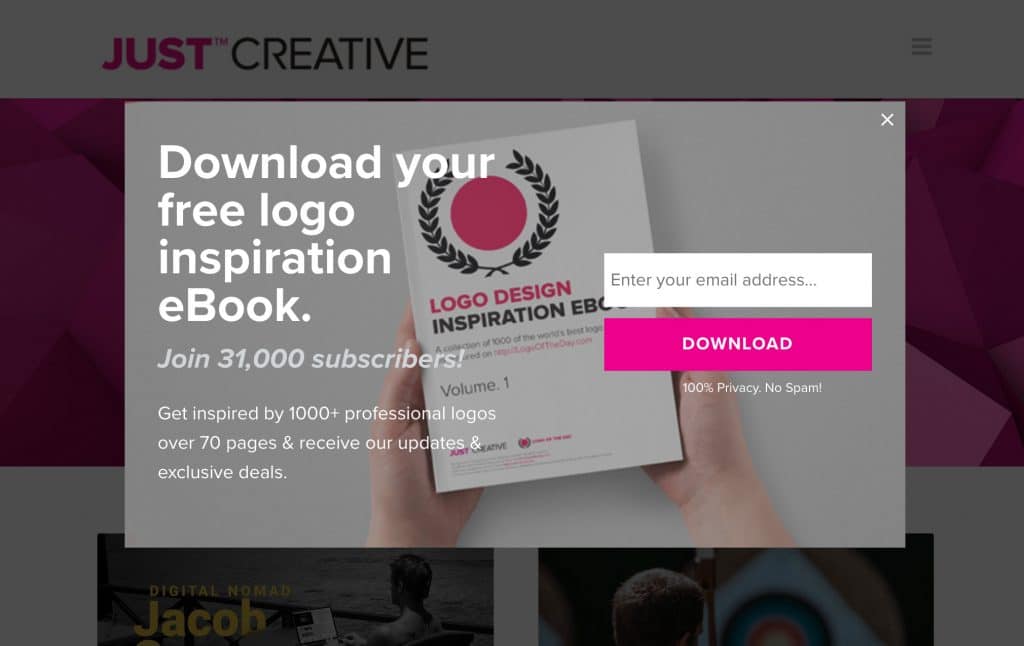
You can then grow your email list with a tool such as OptinMonster, which I use on JUST Creative.

OptinMonster eBook PopUp

The next step is to integrate social sharing buttons on various shareable elements on your website, like images, blog posts, and even “tweetable” quotes.

If you’re using a content management system or blog publishing platform, chances are your theme already has built-in social sharing buttons. You simply need to activate them by enabling an option in your theme editor or settings page.

Alternatively, you can use third-party tools like Sumo to integrate social sharing functionalities on your website.

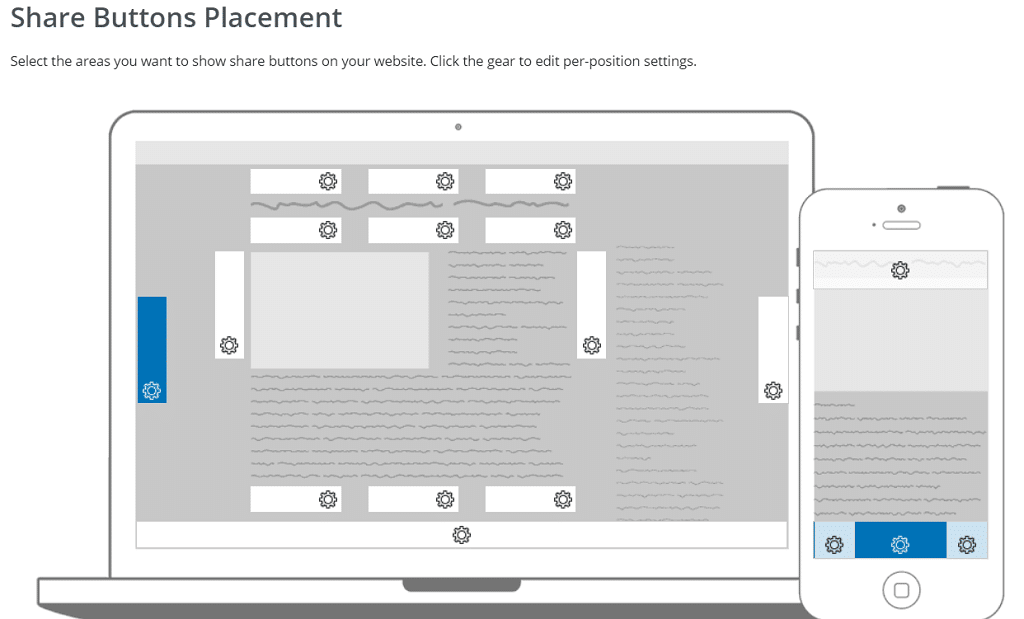
One of Sumo’s core features is the floating sidebar that enables users to share your content wherever they are on your website. You can also easily specify other areas of your site where you want sharing buttons to appear:

Share Button Plugin

Sumo also comes with an image sharer extension that lets you add social sharing overlays on images. This is useful if you have infographics and would like to utilize them to push your brand into the social media sphere.

5. Optimize Your Website’s Performance

At this point, you now have most of the on-page elements for a website built for conversions.

You have keyword-optimized content, images for engagement, and sharing buttons for social media.

But as you incorporate more and more components into your website, you consequently increase its bandwidth requirements — thus, resulting in performance drops that could ruin the experience of your audience.

Remember, up to 40 percent of your visitors will abandon your site if it takes longer than 3 seconds to load everything. That’s why performance optimization is an absolute must-have in every brand’s web design checklist.

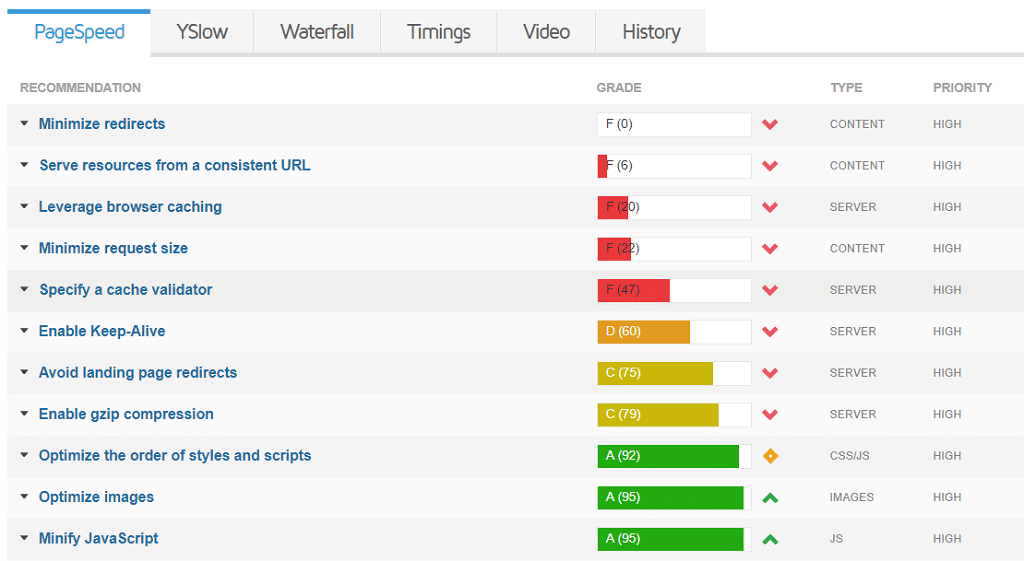
A tool like GTmetrix can point you in the right direction by automatically identifying issues on your site that affect its performance. All you need to do is enter your URL, wait for the analysis to complete, and assess the results to figure out if your website is running fast enough.

Page Performance Test Results

GTmetrix will also list down actionable recommendations that you can follow to make your website run as smooth as butter.

Pagespeed Graph

For most websites, some of the typical actions include minifying your codes, optimizing your images, enabling browser caching, and minimizing redirects.

Visual-heavy sites like online stores, photo galleries, and digital portfolios can also use a content delivery network or CDN to drastically improve their loading speed. In simple terms, a CDN leverages multiple proxy servers (I personally use Cloudflare) to store and deliver website content to users across multiple locations.

6. Improve Your Security

Aside from increasing your website’s loading speed, most CDN companies also provide protection against distributed denial of service or DDoS attacks. This is the practice of using a network of infected computers or “botnets” to flood a website’s server and deny access to actual users — hence the name.

Take note that you can never be too safe if the integrity of your brand is on the line. You need to be prepared for all the cyber threats that can compromise the security of your business and the experience of your visitors.

The worst case scenario is when a cyber-attack leads to a data leak that involves the sensitive information of your existing customers. Fortunately, such incidences are rare, especially for small businesses who are yet to build a solid online presence.

Installing a web application firewall can work by filtering malicious traffic and tracking suspicious activity on your website. It can protect you against DDoS attacks, malware infections, and brute force attacks that attempt to gain unauthorized access to your website by generating thousands of possible password combinations.

7. Build Conversion-Oriented Landing Pages

Finally, a landing page is a website’s go-to tool for securing conversions.

These are pages that are built for a very specific goal — be it to generate email subscribers, webinar attendees, paying customers, or marketing-qualified leads.

A landing page normally consists of the following conversion elements:

  • Headline
    The headline’s job is, apart from getting the audience’s attention, is to communicate a clear value proposition. Make sure it’s impactful, action-oriented, and concise.
  • Subheadline
    To give your audience more context on your value proposition, use a subheadline that describes what your target audience should expect. This could pertain to the benefits of converting, the disadvantages of missing out, or the exact process that ensues if the user decides to take the next step.
  • Featured Image
    It doesn’t matter if you’re trying to sell a product, win new subscribers, or convince users to download your content. There is always an image you can use to increase the engagement factor of your landing page.
  • Call to Action
    Lastly, the call to action or CTA is responsible for giving users one final push into committing to a conversion. A good strategy is to use frictionless, action-oriented words that make the conversion process seem easy, like “learn,” “start,” “get,” and so on.

Landing Page Infographic

After identifying the conversion elements you need on your landing page, see to it that they’re properly emphasized in your website’s layout. Try to remove everything that may distract users away from the page, such as ads, excessive links, popups, and embedded YouTube videos.

Here is an example of a landing page that does it right:

Signup Popup Example

(Image Source: Backlinko)

Conclusion

Designing a website isn’t a walk in the park, but it’s not exactly rocket science, either.

As long as you’re equipped with the right strategies and tools, there should be no doubt on your mind that you can create a website that’s optimized for maximum conversions. And with the checklist above, you’re definitely well on your way.

What crucial web design tip would you give other readers? I would love to hear about them in the comments below. Cheers!

Tuesday, 10 July 2018

[Interview] Jacob Cass on Brand Marketing Blog

I recently had a chat with Colin Finkle on his Brand Marketing Blog. You can find the video interview below and the full transcript on his website if prefer to consume that way.

We chat about the digital nomad lifestyle, managing travel and work, as well as tips on how you can do the same.

If you enjoy, please support BMB by giving the video “thumbs up” and subscribe on YouTube.

Wednesday, 4 July 2018

7 Worst Content Marketing Mistakes You Can Make

This article was contributed by Daniel Ross.

On the surface, content marketing looks easy to pull off.

Newsflash: it’s not.

When people read an entry or article published on a website, they don’t see the blood, sweat, and tears that have been shed. And despite our best efforts, content creators inevitably make mistakes on our way to the top of the totem pole.

Let’s have a look at some of the worst content marketing mistakes that you can make, so that you can avoid them!

  1. Not knowing your audience

Arguably the first, and most important, step of marketing is to establish your demographic. Once you get to know who you’re writing for, it will be easier to identify what they are looking for in your content, and what they find valuable. With this information, you will be able to formulate a message that will not only entertain and engage them, but possibly convert your readers into leads and customers.

If you don’t know your audience, it only means that you’re not delivering quality content. A business becomes successful if it creates effective solutions to existing problems. Marketing to the general public is like voluntarily walking blind into a minefield.

  1. Duplicate content

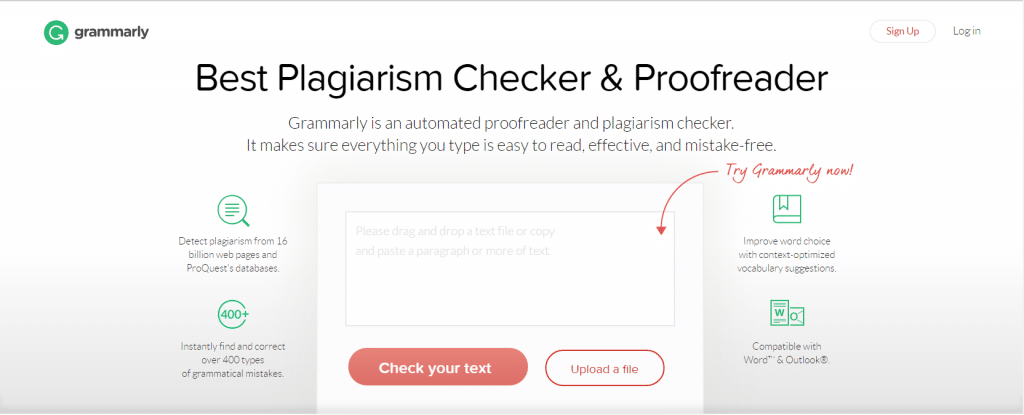
Plagiarism Checker

Good content is hard to come by. So, when content creators see a potential superstar, it’s understandable that they reuse it elsewhere. When it’s done too often, however, is where things go awry.

Duplicate content is a grievous sin from an SEO point of view. Unfortunately, it’s one that is repeated over and over. Confusion will ensue once Google tries to reference your original home page and instead finds multiple hosted copies of it. The dreaded duplicate content error can be prompted by something as simple as a blog article posted twice on different pages.

  1. Backlinking overdose

Backlink Checker

In theory, the practice of backlinking helps your site show up on search engine rankings and increases the site’s trustworthiness. But when you don’t do your research and link to spam or ad-heavy websites, expect to be punished by the gods of Google.

To avoid this, make sure you monitor your backlinks regularly. And if someone wants to link to your page, don’t agree unless the content pieces are relevant and aren’t from shady websites. If you want to be extra vigilant, make use of utilities such as SEMRush or Ahrefs to make a backlink report history.

  1. Keyword stuffing

While keywords are generally a good way to get search engines to find your website, overusing them will only create more harm than good. Try to see if you can find what’s wrong in the following paragraph:

If you’re looking for the best used car deals in Tarneit, Victoria, you can only find the best used car deals in Tarneit, Victoria here at Stewie’s Used Car Saloon, where we offer the best used car deals in Tarneit, Victoria!

It might be an exaggeration, but you get the picture. You can’t just throw a handful of keywords together and expect to get good results. To be effective from both the marketing and SEO perspective, keywords should be believable and not repetitive. When you over-optimize keywords, search engines will have problems trying to identify which is the main page. This will incur a negative blow on your search engine rankings and overall SEO strategy.

  1. Lazy writing and lack of proofreading

Proofreading

Not everyone can come up with impeccably-written pieces of copy. But as purveyors of content, it is our duty to churn out articles that are at the very least, free of spelling and grammatical errors.

I don’t have to explain why lazy writing is detrimental to a website or blog, but I’ll do it for argument’s sake. What is writing but a tool to disseminate information? The nature of our job as content creators includes the responsibility of making sure that the content we put out into the world is fair and correct.

On another note, if you’re the type of content writer who is very nonchalant about spelling and grammar, readers will be less likely to take you seriously. They could even be potential business partners and sponsors whom you’ll put off with inconsistent tenses and use of such words as “irregardless.” If nothing else, remember that the output you produce will be preserved online for posterity. Make your legacy count.

  1. Thin (aka bad) content

Never underestimate the power of Google. It can see right through a website’s extensive use of keywords and spammy entries and has no qualms about doubling down on the perpetrators of horrible content. The most recent update on quality improvement for search is an attempt to do just that.

The purpose of content creation is to produce interesting and valuable information that will help solve a problem and benefit at least one person that comes across it. If the content we create fails to fulfill this basic rule, then what use is it to our readers? They should not be underestimated, either. They can tell the bad from the good, and they will steer clear of your website if you continually produce content that is of no value to them.

  1. Page load time problems

Page Speed Scores

In this era of instant everything, it is absolutely a disservice to make your audience wait unnecessarily to get to your website. A page that doesn’t load in two seconds is almost the same as a page that doesn’t load at all. Part of the job of managing a website is making sure that the user experience is as enjoyable as possible—and yes, that includes making sure their page loads ridiculously quickly.

Mistakes are just part and parcel of the content marketing trade. If you’re guilty of one or two (hopefully not all!) of the above, then pat yourself on the back and keep on trying. You can invest in a content audit or put in more elbow grease to make sure your output is as close to perfection as possible. Steer clear of shortcuts and cheating with keyword spamming. We promise, it’s going to be so much more rewarding in the long run.

Daniel Ross is part of the marketing team at Roubler — a scheduling and payroll software platform founded in Australia. Their mission is to change the way the world manages its workforces.